Paris is full of iconic sights, and this comes with a lot of expectations and pressure to deliver. Paris’s biggest attractions are fantastic, but they can also be crowded, hot, overrated, and surrounded by scammers.
This post will hopefully give you a realistic view of Paris’ biggest attractions (from someone who has visited them all), and some tips for making the most of your visit. As well as some alternative options for those who want to see more / find cheaper alternatives.

The Must-Sees of Paris
Guess what? There are no must-sees in Paris. That’s right, if you don’t see the Eiffel Tower, you won’t combust. If you miss the Louvre, it’s ok… the Mona Lisa is tiny and only a fraction of the amazing art and history contained in its walls. Can you visit Paris and still find joy and love for the city without seeing any of the major tourist attractions? Yes, absolutely!
But, they are major attractions for a reason. Nobody wanted the Eiffel Tower in Paris when it was built in 1887, but the ‘Iron Lady’ won the hearts of Paris and it remains a stunning icon. Do you need to go up it? No. Is it better viewed from various points around Paris? Yep.
Don’t buy into the narrative that if you don’t do certain things when travelling, you’ve somehow not seen a place ‘properly’. Enjoy what you want to see, but don’t let the pressure to see everything.
In saying that, the main attractions in Paris are worth visiting – all of them are impressive and historically interesting. So yes, go see them! But also, take some time to flâneur (to wander), sit at cafés to people-watch, slow down and enjoy the Paris away from the big attractions.
The Main Attractions in Paris
The Eiffel Tower
Nearest Metro: Bir-Hakeim (Line 6) or Trocadéro (Lines 6 & 9)
~6.3 million visitors each year
Completed in 1889 for the World’s Fair, the Eiffel Tower was originally intended to stand for just 20 years but has since become the defining symbol of Paris. Standing 330 metres tall, you have to stand beneath it to truly recognise the scale of it.
Buy timed tickets in advance for the least queuing.
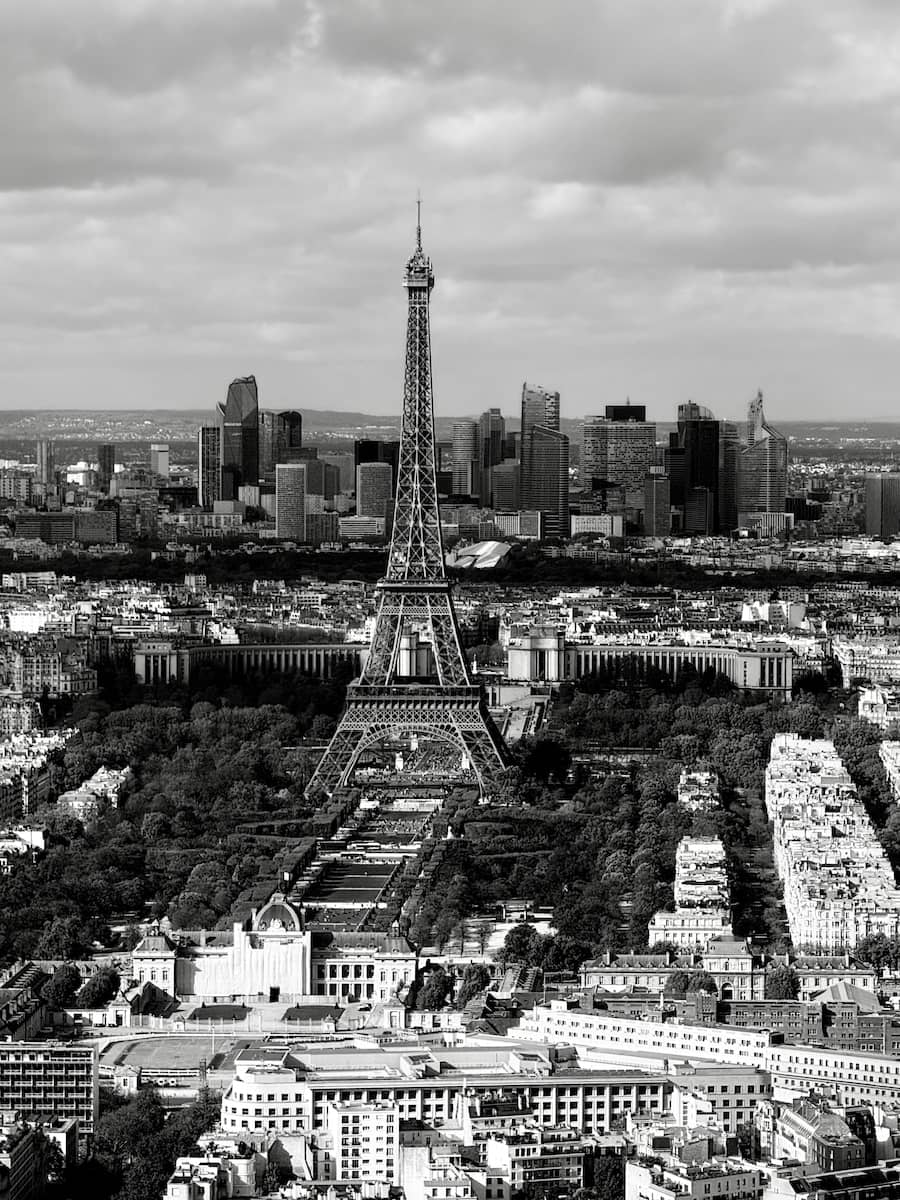
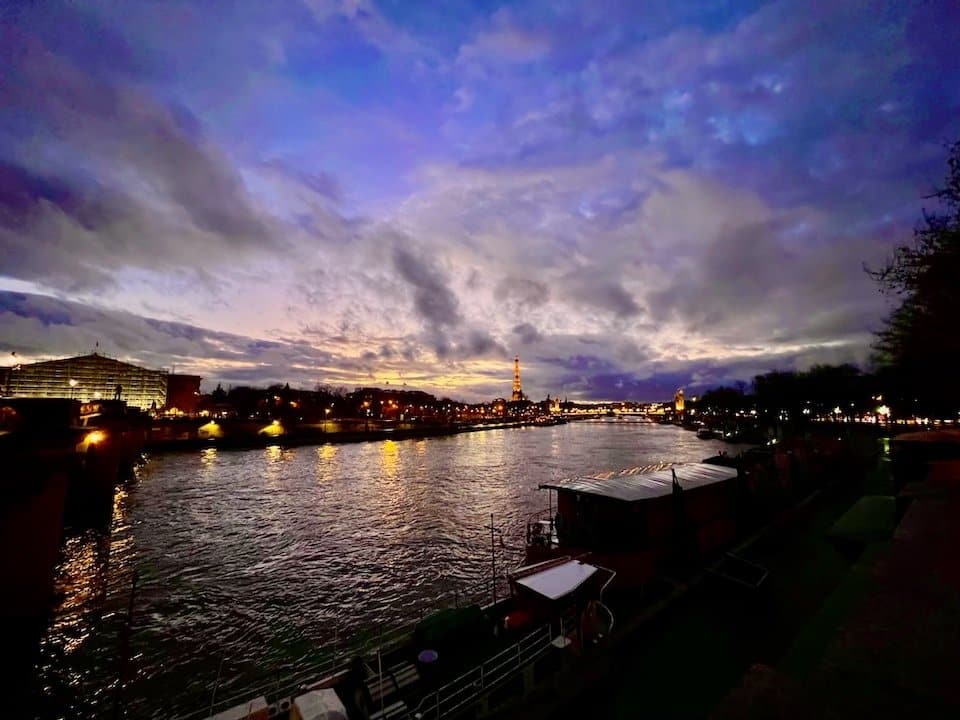
Everyone’s got an opinion on her: an icon, overrated, romantic, touristy… and they’re all true. You don’t need to go up it to appreciate it – in fact, the best views are often with it in the background, not from the top. Watch it sparkle from the Seine, the Trocadéro, or from dinner at Les Ombres.
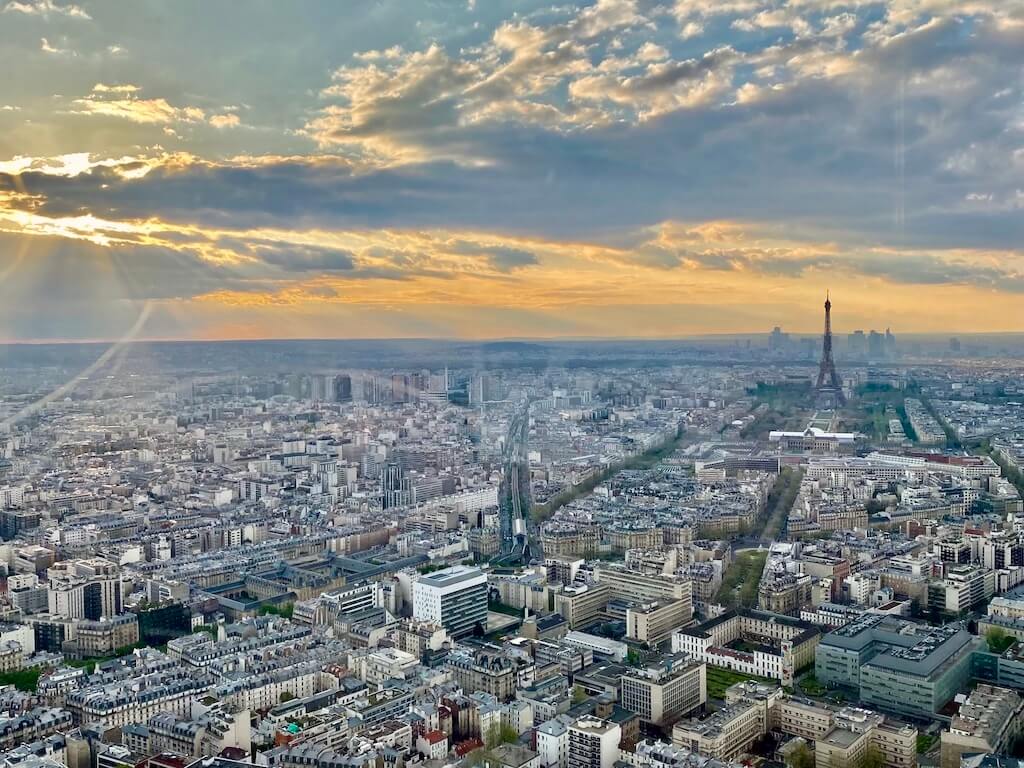
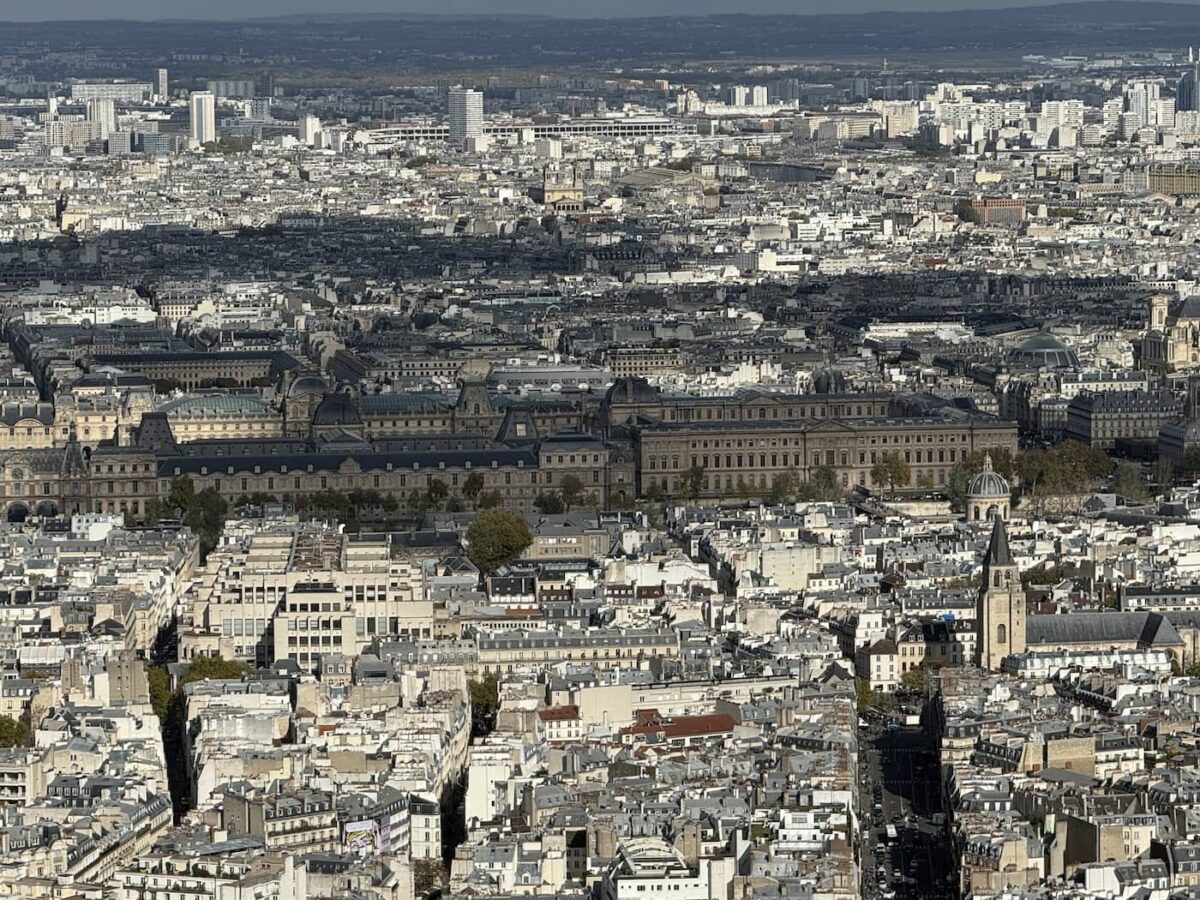
For me, she is the most magnificent when viewed from up the Montparnasse Tower – where you can admire the position within the city, the scale, and the grandeur. Or at sunset from Rue Soufflot, with your back to the Pantheon, as it pokes out above the trees in the Jardin du Luxembourg.
Things to be aware of: Queues, crowds and delays inside at the elevators, hawkers and pickpockets outside.
And whatever you do, don’t get a hotel over by the Eiffel Tower – it’s a bit of a tourist desert. Like the areas around train stations, the tourist factor attracts touters, scams and high prices, so it’s better to find a hotel or apartment with a view from afar.


The Louvre
Nearest Metro: Palais Royal – Musée du Louvre (Lines 1 & 7)
~8.7 million visitors per year
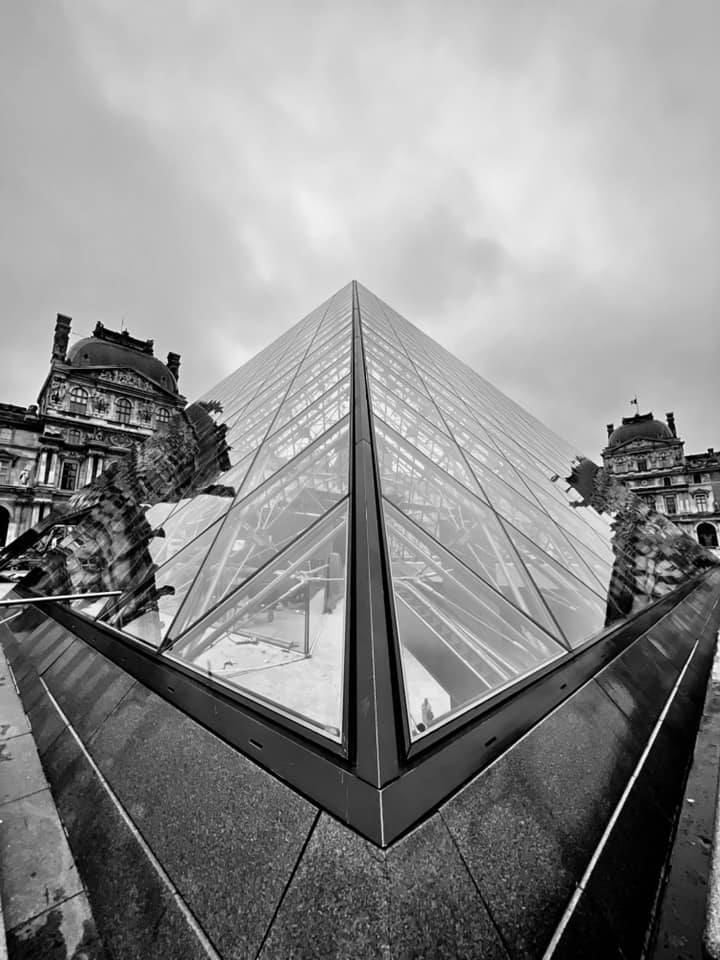
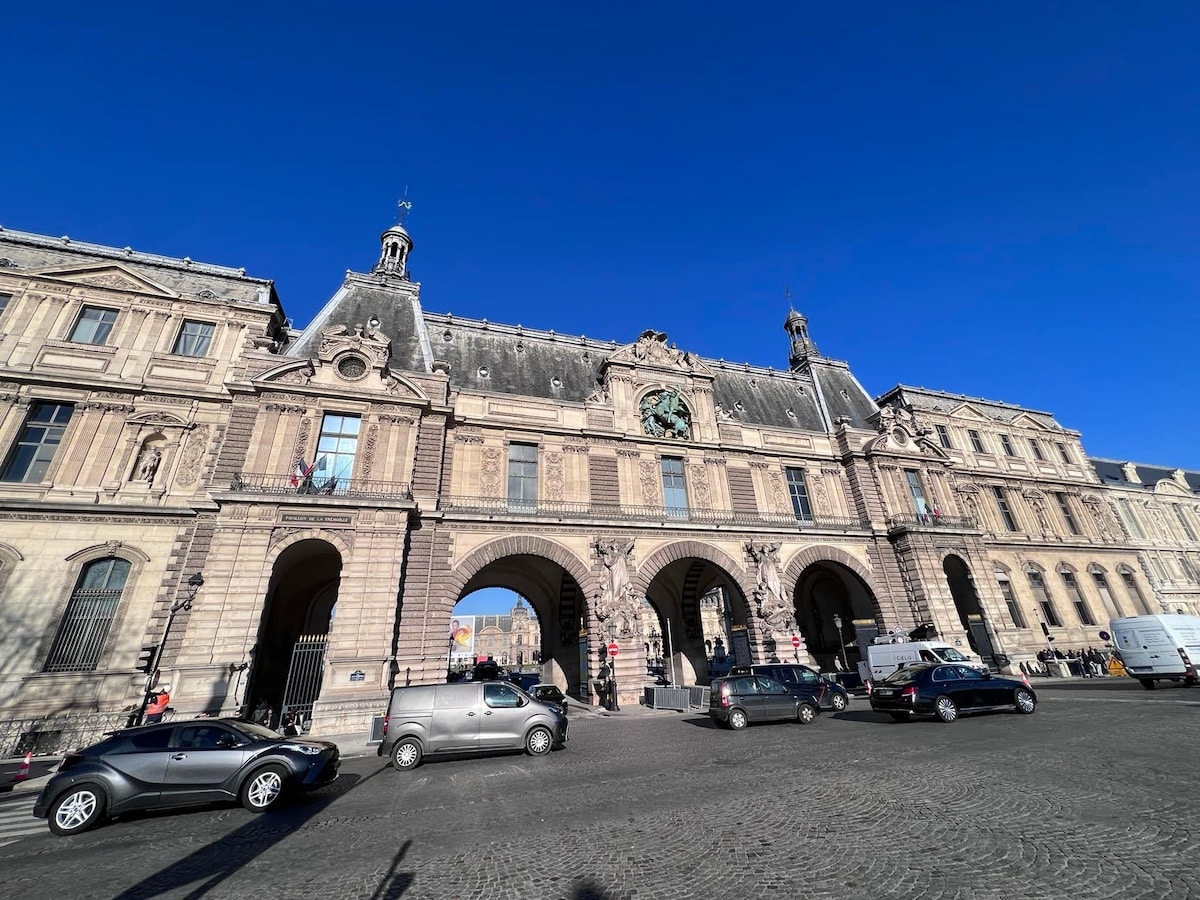
Yes, it’s massive. Yes, it’s overwhelming. And yes, you’ll end up in a crowd of a hundred people trying to photograph a painting the size of an A3 sheet of paper (Oh Mona Lisa, you enigma you). But it’s also an incredible dive into world history, art and culture.
The Louvre is immensely important – a former royal palace with vast halls, holding over 35,000 works of art and treasures. It is too big to really even scratch the surface on one visit – I have been a dozen times and still find new and exciting areas to enjoy each time. Just go in with a plan, and target the kind of art you enjoy or want to learn more about.
Personally, I recommend the Grande Galerie, full of Italian masters; and the Salle des Cariatides for extraordinary renaissance marble statues.
Tickets are via reserved time slot in the high season (July-August), and should be booked from the official Louvre website. If you want to get more from your visit, you can book a highlight tour or private after-hours tour for a VIP experience.
Things to be aware of: Queues, crowds inside (especially at Mona Lisa), huge museum so have a plan!

Notre-Dame
Nearest Metro: Cité (Line 4)
~11 million visitors per year
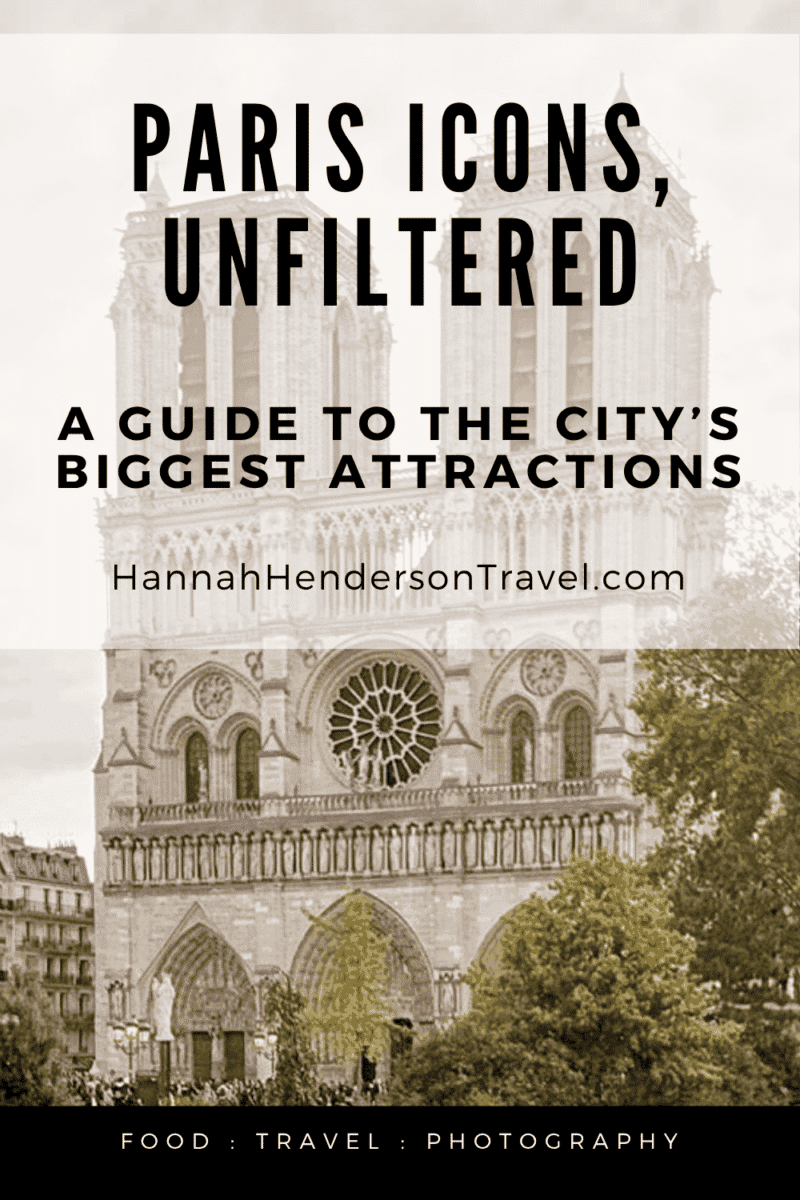
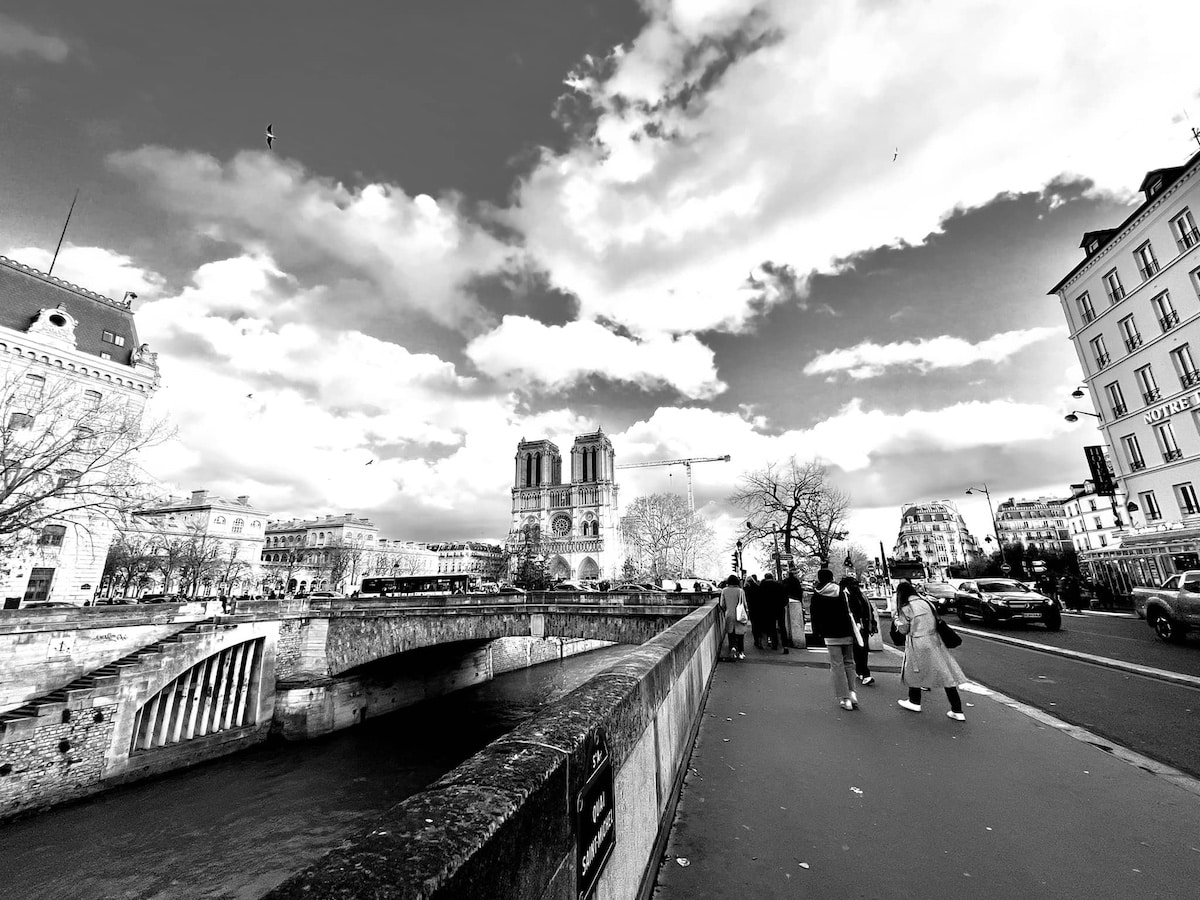
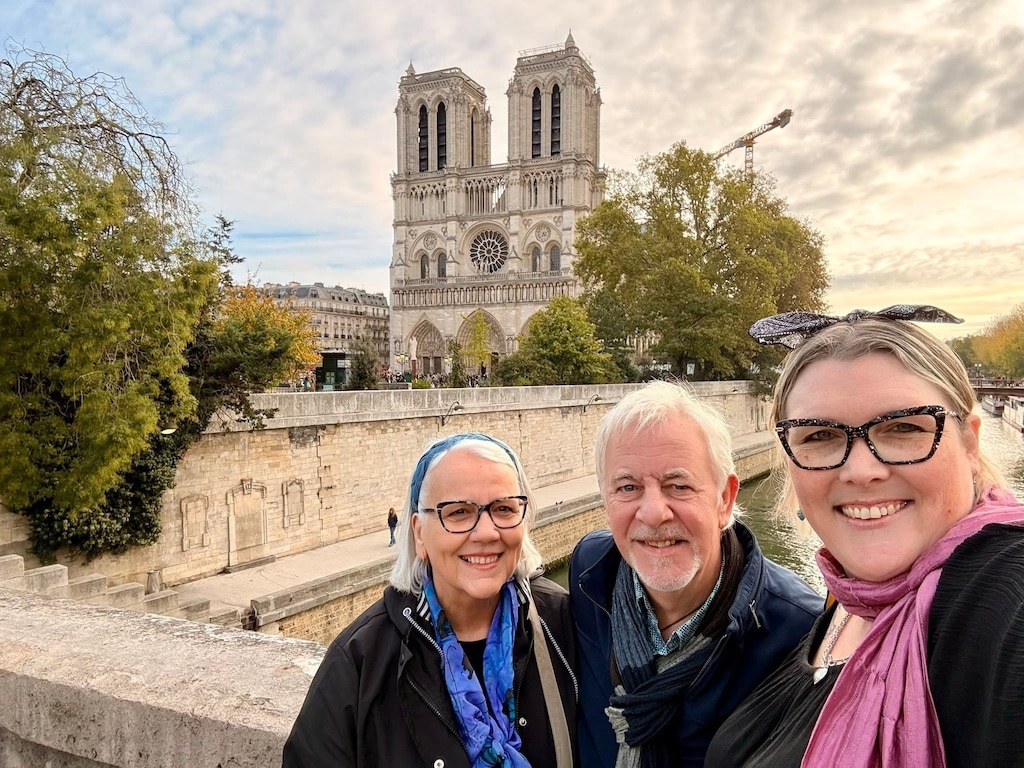
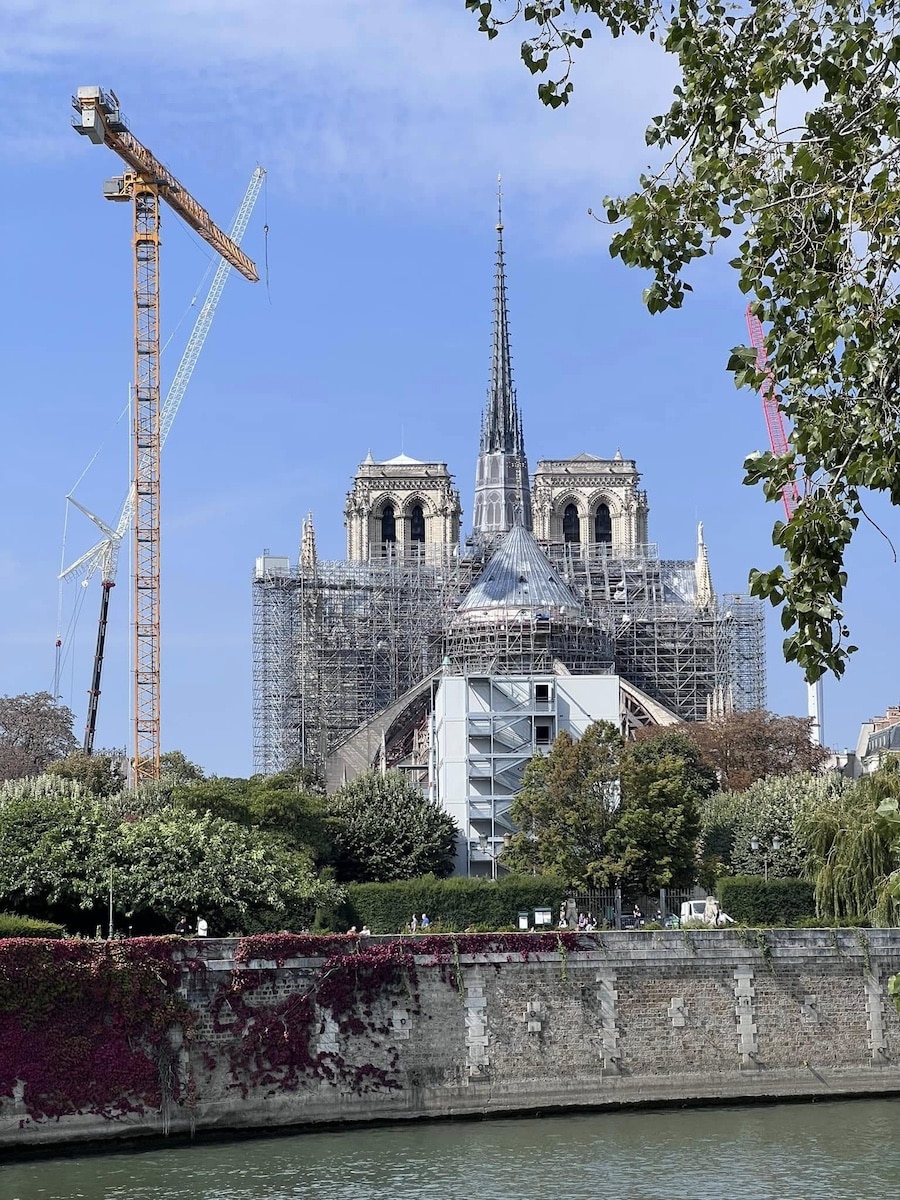
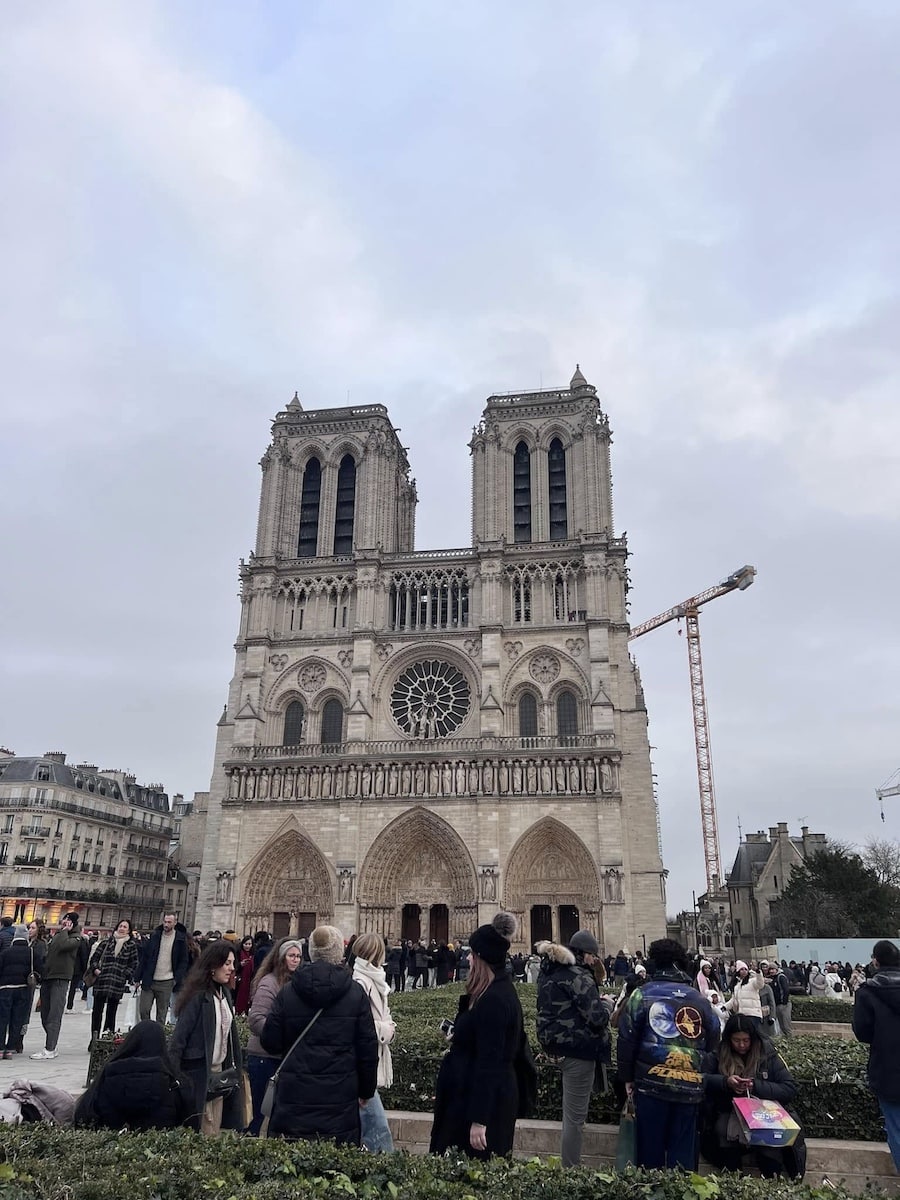
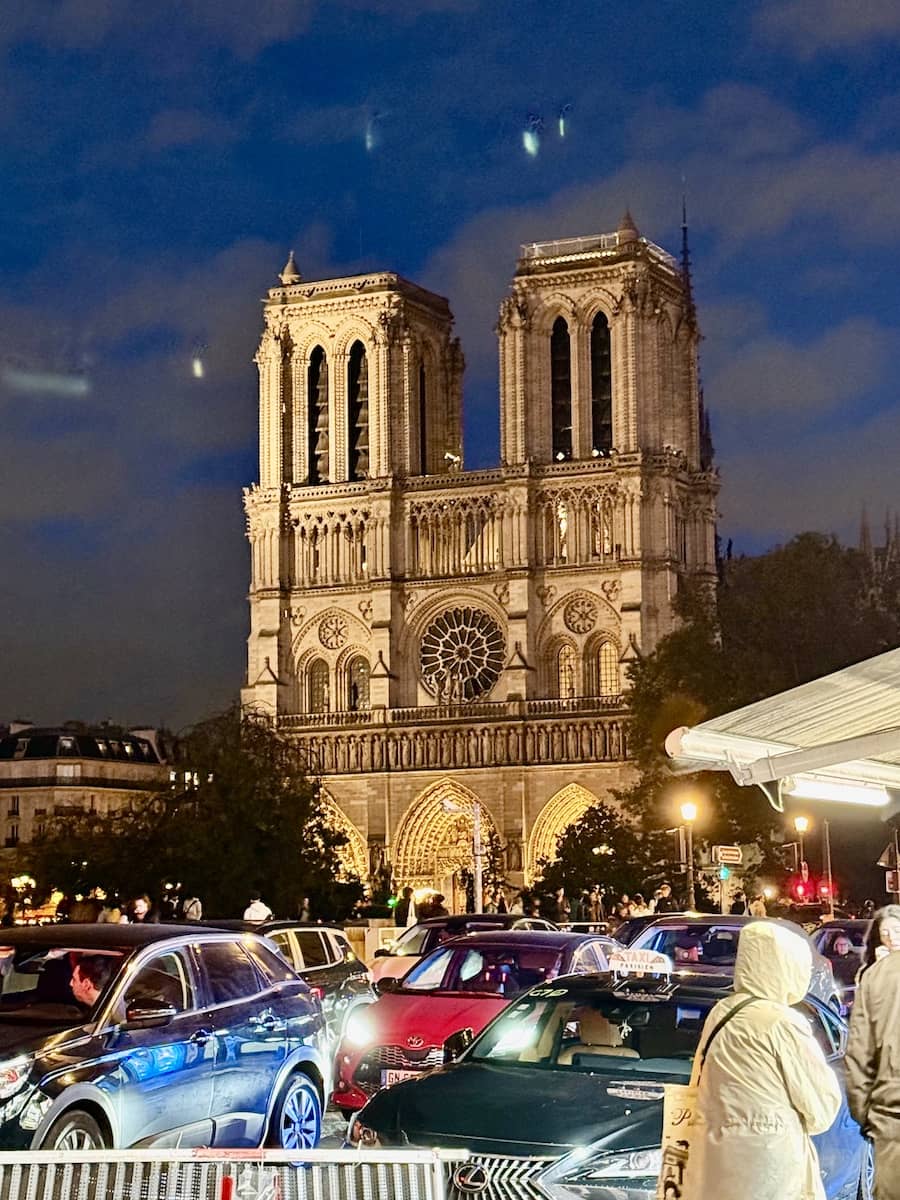
Notre Dame Cathedral is a beacon of Paris. In the very centre of the spiral of Arrondissements that form Paris proper, sitting on ancient Roman ruins, it is the beating heart of the city. Standing on the Île de la Cité, this Gothic gem is 850 years old (but doesn’t look a day over 400).
Notre Dame was severely damaged in a fire in 2019, and has only just opened again after a full renovation. It is extraordinarily clean inside now, which is a bit disconcerting – but it is so lovely to see it renewed after the fire. Queues to see the newly reopened Notre Dame can get very long, but they move quickly.
You can also attend mass at Notre-Dame. I appreciate that this is still a working church, so it’s important to respect it as a place of worship as well as a tourist destination.
Things to be aware of: Queues, crowds inside, the usual charity and ring scams outside.


Montmartre & Sacré-Cœur
Nearest Metro: Anvers (Line 2) or Abbesses (Line 12)
~9 million to Sacré Cœur each year
The beautiful white-domed Basilica of Sacré Cœur sits atop Montmartre and can be seen from miles away because of its vantage point. Built from distinctive white travertine stone in the late 19th century, it crowns the artistic neighbourhood of Montmartre and is one of France’s most-visited religious monuments.
The views up to it are heart-stopping, and the panoramic views from the top of the hill are incredible. It is the perfect place to watch the sunset or to play ‘spot the landmark’.
The bohemian suburb of Montmartre was once a separate village before becoming part of Paris in 1860. Its winding cobbled streets, lively squares and artistic heritage have long attracted painters, writers and musicians, with famous names including Picasso, Renoir and Van Gogh all spending time here. It’s the kind of place where going on a guided walking tour would be very illuminating – so many stories!
Artists gather on Place du Tertre, cafes spill out of the cobbled streets, and the usual touters try their luck luring you to get a caricature.
The instagrammers flock to the pink Maison Rose cafe, but there are lots of cute heritage cafes. I prefer the route down Rue Lepic, where you get a view of an ancient wind mill, and lots of scenes from the movie Amélie.
Things to be aware of: Bracelet scam at the bottom of the gardens, the usual chancers at the top stairs, caricature pushers.


Arc de Triomphe & Champs-Élysées
Nearest Metro: Charles de Gaulle – Étoile (Lines 1, 2 & 6)
~1.7–1.8 million visitors per year (paid rooftop visitors)
Commissioned by Napoleon after his victory at Austerlitz, the Arc de Triomphe stands proudly at the western end of the Champs-Élysées. Beneath the monument lies the Tomb of the Unknown Soldier, and often hosts war memorial services on pertinent dates.
The rooftop terrace offers one of the best views over Paris’ grand boulevards radiating from Place Charles de Gaulle. But the price you pay is the ticket cost and the joy of having to climb 284 steps. And, as a fun aside, it’s hilarious watching the cars going around the roundabout that circles the arch – it’s pure chaos!
There are longer term plans to put the traffic underground and have the whole plaza be pedestrianised – which I think would be fantastic (if not a little sad you won’t get to laugh at the traffic).
The Champs-Élysées is an expensive area, and is somewhat lacking in atmosphere (it’s just a big road after all). I once warned friends to avoid stopping on the avenue itself, because it would cost them more. They returned having spent 15€ on two coffees because they did not take my advice.
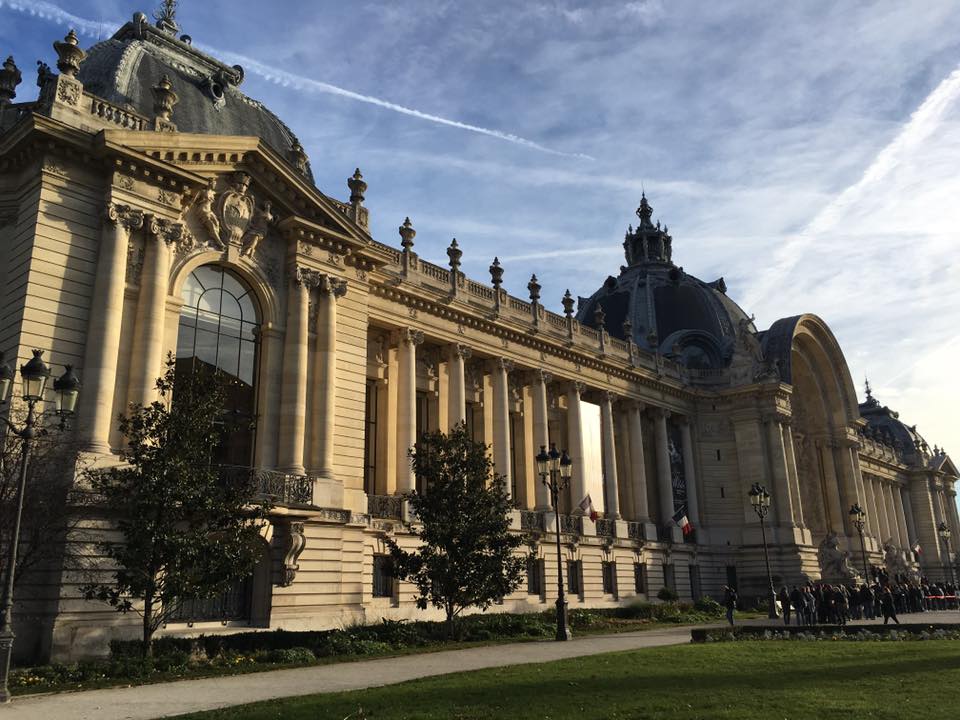
There are Christmas Markets along the Champs-Élysées in December, which certainly add to the atmosphere. Don’t miss a visit to either the Grand or Petit Palais at the river end of the road
Things to be aware of: You have to use an underpass to reach the arc (don’t try to cross the roundabout!), expensive area.

Seine River & Bridges
Nearest Metro: Varies depending on where you start. For a central riverside walk, Pont Neuf (Line 7), Saint-Michel Notre-Dame (RER B & C / Metro Line 4), or Invalides (Lines 8 & 13) are all excellent options.
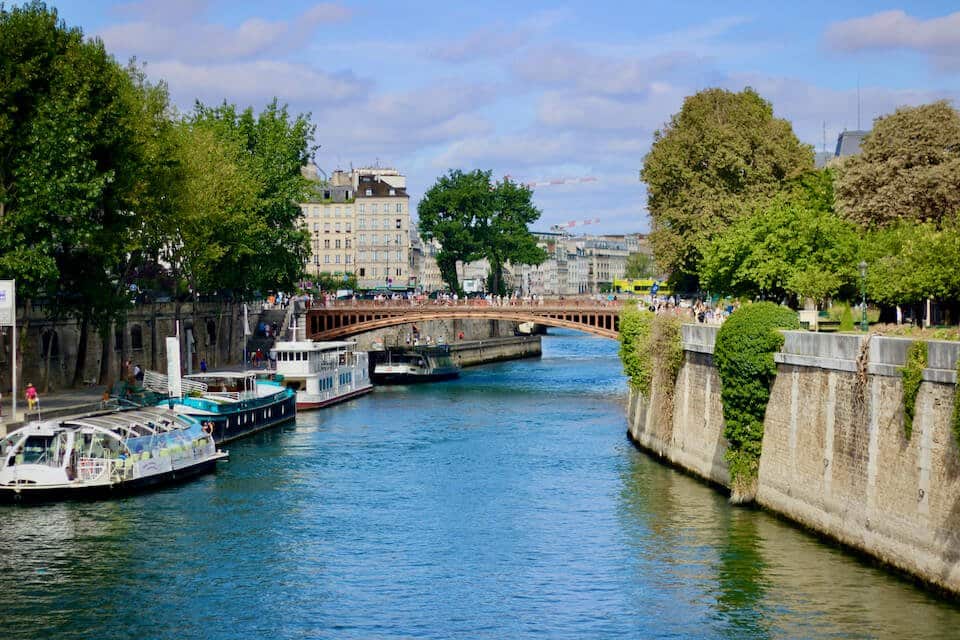
The River Seine is the heart of Paris, winding through the city and linking many of its most famous landmarks. The Bouquinistes (booksellers) along the banks are a UNESCO World Heritage Site, and walking alongside the river is one of the best ways to experience the city’s atmosphere.
There are lots of elegant bridges, such as Pont Alexandre III, Pont Neuf and Pont des Arts (a pedestrian bridge). They make good punctuation points for photos down the river, and good viewpoints too.
I have great memories of busking on Pont des Arts with some random french musicians in my youth. Artists hang out there to paint, friends chat, and lovers sit and watch the boats drift beneath – so picturesque.
Don’t miss a cruise on one of the famous Bateaux Mouches – the long tourist boats that cruise along the Seine. There are many boarding areas – near the Eiffel Tower, and at Ile de la Cité too.


Secondary Sights for a Longer Visit
The next lot of attractions are for if you have a longer visit in Paris, or if you are now onto the secondary level of sightseeing. If you were in Paris for more than 3 days, you could easily hit the top list and many of the below – but it depends on your energy levels, physical abilities and also whether you want to balance doing with watching the world go by!
Museums
Musée d’Orsay
Nearest Metro: Solférino (Line 12)
~3.7–3.9 million visitors per year
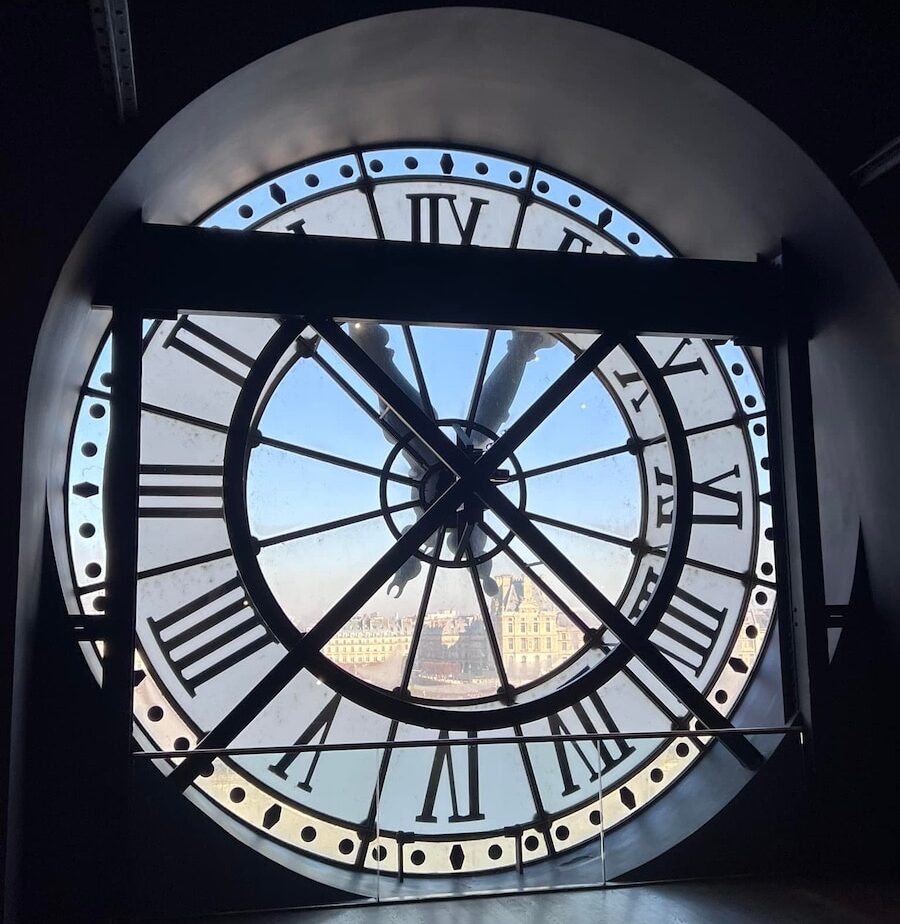
Housed inside the beautifully restored Gare d’Orsay railway station, the Musée d’Orsay is home to one such an amazing collections of Impressionist and Post-Impressionist art. Works by Monet, Renoir, Van Gogh, Degas and Cézanne all housed in a beautiful building – a fantastic combination.
It is smaller, and more open plan, making it a lot more approachable than the Louvre. You’ll need a timed ticket for entry (especially in the high season) – so book ahead on their website.
TIP: Visit the Cafe at the Musée d’Orsay – it has a beautiful roof terrace with views over the river!
Musée Carnavalet
Nearest Metro: Saint-Paul station (line 1) or Bréguet Sabin station (line 5)
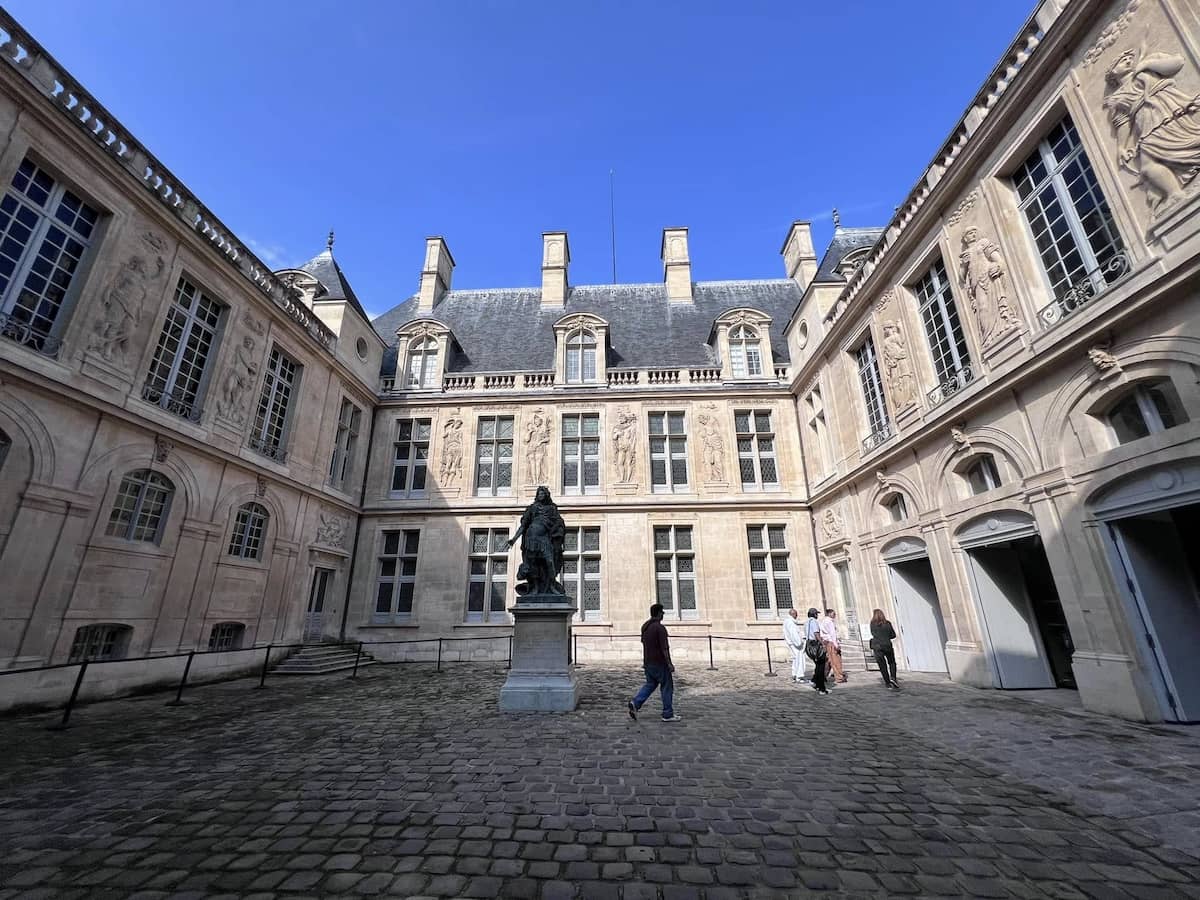
The Musée Carnavalet is, hands down, the best free activity in Paris. Where you will pay over 30€ for a ticket to the Louvre, the Musée Carnavalet is free, has always been free, and always will be free.
It is also offers a fascinating insight into the history of Paris. Sieges, rebellions, kings, fortifications and the ups and downs that made this city the way it is today.
NOTE: There are only small bag luggage facilities here, and even carry-on sized backpacks may be too big to be stored. Therefore, use left-luggage facilities around town before heading there.
Musée du Quay Branly
Nearest Metro: Alma–Marceau (Line 9) or Bir-Hakeim (Line 6)
Musée du Quay Branly was a surprise to me. It features the indigenous art and cultures of Africa, Asia, Oceania, and the Americas, and also hosts very interesting touring exhibitions. It is housed in a Jean Nouvel designed building next to the Eiffel Tower, and their rooftop restaurant, Les Ombres, has fabulous views of the tower.
We visited to see a touring exhibition on the history of tattooing around the world – it was huge and offered a deep-dive into the art of tattooing through the centuries.
The Pompidou Centre
Nearest Metro: Rambuteau (Line 11) or Hôtel de Ville (Lines 1 & 11)
~2.6 million visitors per year (2024, before closure)
Famous for its bold inside-out design, the Centre Pompidou revolutionised museum architecture when it opened in 1977. Although currently closed for a major renovation, it has long been one of Paris’ most-visited cultural institutions, housing Europe’s largest collection of modern and contemporary art alongside exhibitions, performances and a popular rooftop viewpoint.
The Pompidou Centre is closed for a full renovation until 2030. But I have listed it here, as there are pop-up exhibitions using the Pompidou collection around Paris during its closure.
Musée Rodin
Nearest Metro: Varenne (Line 13)
~700,000–800,000 visitors per year
The Rodin Museum is in a beautiful 18th-century mansion, and celebrates the life and work of French sculptor Auguste Rodin. The indoor galleries display masterpieces such as The Thinker. And the most interesting part for me was how they show his working – from maquette to final piece – it’s fascinating.
The museum’s beautifully landscaped gardens are equally impressive, with many of his most famous sculptures displayed among rose gardens, fountains and shaded pathways.

Panthéon
Nearest Metro: Cardinal Lemoine (Line 10) or Luxembourg (RER B)
~900,000 visitors per year
The Panthéon, in the Latin Quarter, was originally built as a church before being transformed into France’s national mausoleum. It is now the final resting place of many of the country’s most influential figures – Voltaire, Victor Hugo, Josephine Baker, Marie Curie and Alexandre Dumas – to name a few.
I love how the neoclassical architecture and huge dome accentuate the grandeur of this hilltop building. It’s definitely worth paying to go inside too – it’s not overly expensive, and you get to enjoy seeing Léon Foucault’s famous pendulum, which tracks the earth’s rotation.
Incidentally, my favourite hotels in Paris are right next to the Pantheon – sister sites – Les Dames du Pantheon and Hôtel des Grands Hommes.
TIP: The Pantheon has lots of incentivised ticket specials, i.e. if you have arrive in Paris by Eurostar, you can get 2-for-1 ticket pricing between October and March.


Père Lachaise Cemetery
Nearest Metro: Philippe Auguste (Line 2) (closest to the main entrance) or Père Lachaise (Lines 2 & 3), but there’s a better stop…
METRO TIP: If you don’t want to have to walk up the hill through the cemetery, Gambetta (Line 3) is much better and allows you to walk down the hill towards the Père Lachaise station!
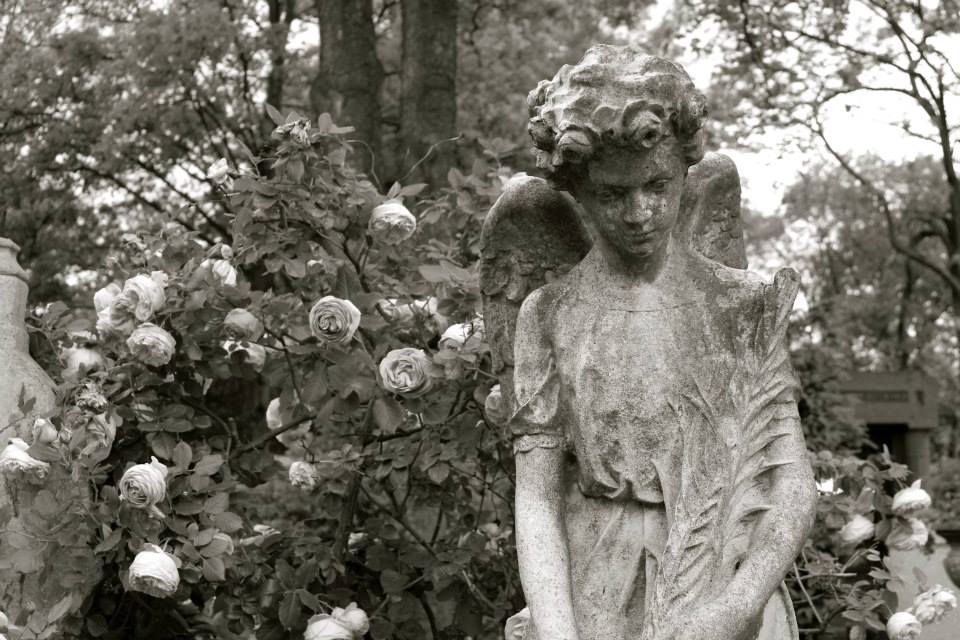
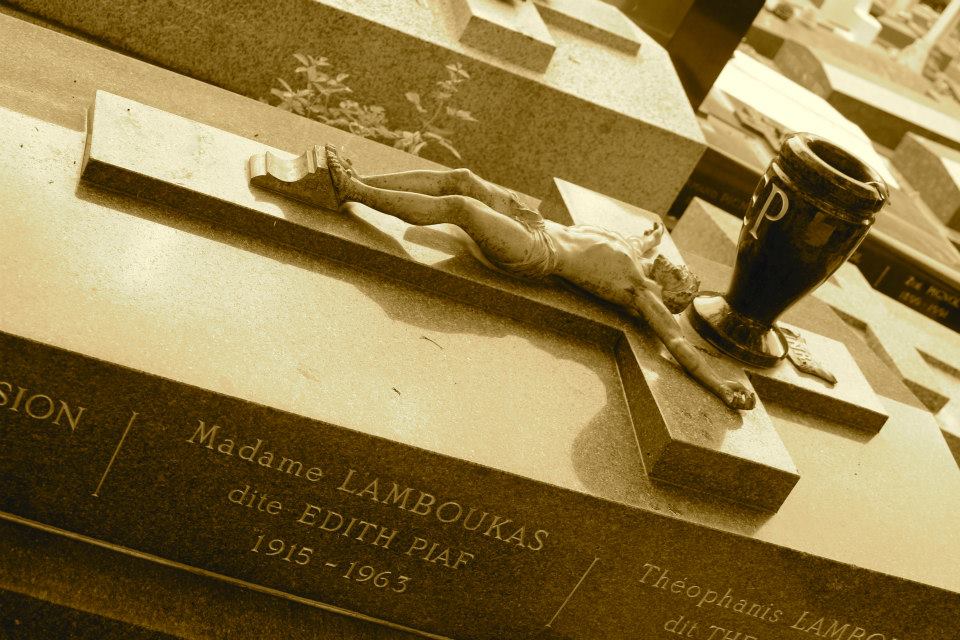
Père Lachaise is the largest cemetery in Paris and one of the most visited in the world, thanks to some very famous residents. Graves of figures including Oscar Wilde, Jim Morrison, Frédéric Chopin and Édith Piaf, are set amongst gorgeous grounds.
I was sad to find Oscar Wilde is now behind perspex, because too many people kissed his memorial stone and it was being damaged! Leave just flowers and your deepest respect, not damage or litter!
Most people flock to Père-Lachaise (which is amazing), but I love a visit to the Montparnasse Cemetery instead. It is beautiful and some pretty famous folks are buried here. Baudelaire, Man Ray, Jean-Paul Sartre & Simone de Beauvoir, amongst others.
Sainte-Chapelle
Nearest Metro: Cité (Line 4)
~1.5 million visitors per year
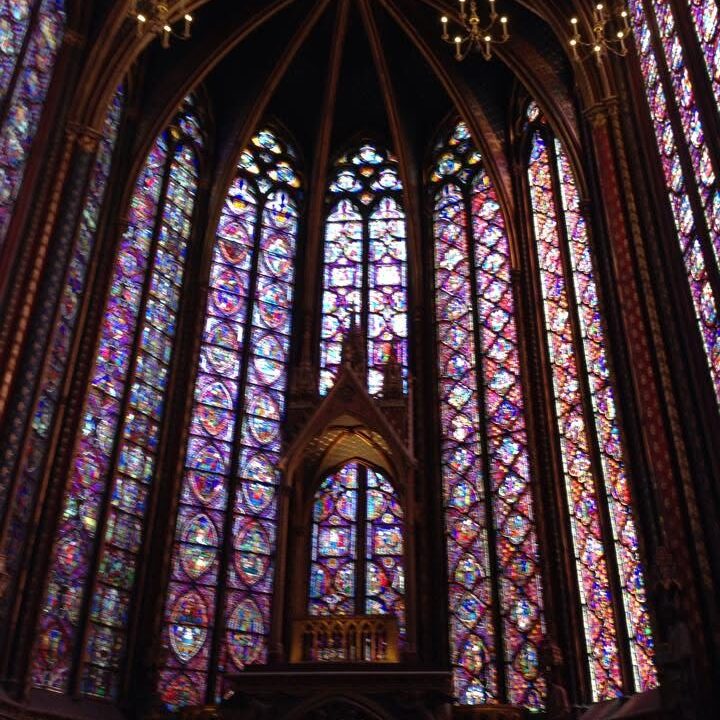
Hidden within the medieval Palais de la Cité, Sainte-Chapelle is one of the greatest masterpieces of Gothic architecture in Paris. It has a breathtaking upper chapel, which is surrounded by 15 soaring stained-glass windows that depict more than 1,000 biblical scenes.
It fills the space with colour on sunny days, and will keep you captivated it low light, this hidden chapel is a peach. Personally, it is one of my favourite paid activities in Paris – so quietly beautiful.
There is high security and bag checks at the door, mainly due to its location within the Palais. Use luggage storage elsewhere if you are carrying bulky items.

The Gardens of Paris: Tuileries, Jardin du Luxembourg etc.
Stretching between the Louvre and Place de la Concorde, the Tuileries is Paris’ oldest public garden. Designed in the formal French style by André Le Nôtre in the 17th century, its tree-lined avenues, fountains, and sculptures are lovely to walk amongst.
Nearest Metro: Tuileries (Line 1)
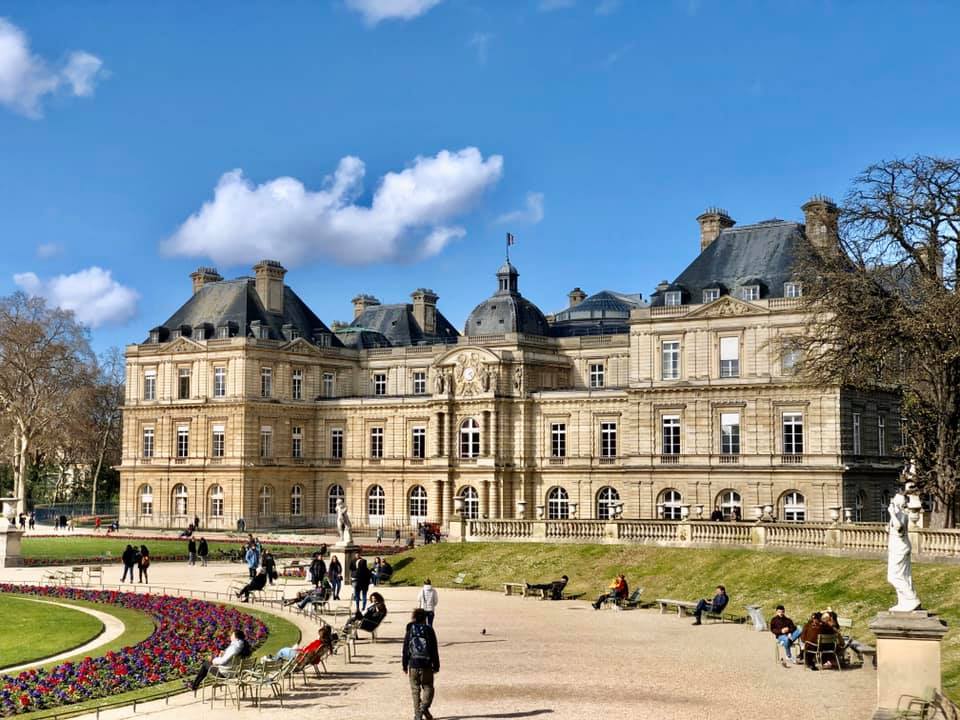
The Luxembourg gardens were created in the early 17th century for Marie de’ Medici. And today they are a favourite spot for picnics and escaping the city’s busy streets. Very conveniently, there is a dog-friendly section around the edge (near the Boulevard Saint-Michel entrance) for those who have their pups with them.
The green chairs around the park are free to use, and I can attest to the simple joy of a supermarket picnic, sitting around the fountain on a sunny day.
Nearest Metro: Odéon (Lines 4 & 10) or RER Luxembourg (RER B)

Palais Garnier
Nearest Metro: Opéra (Lines 3, 7 & 8) or Chaussée d’Antin – La Fayette (Lines 7 & 9)
~800,000–900,000 visitors per year (excluding performance audiences)
The Palais Garnier is Paris’ ostentatious opera house – famous for its grand marble staircase, gilded interiors and richly decorated auditorium (which apparently inspired The Phantom of the Opera).
If you’re eager to have your Emily in Paris Opera House moment, you can sometimes get last minute tickets for shows there – so it’s worth checking out the Palais Garnier deals page before your trip!
TIP: Even if you don’t go inside, it’s worth admiring from Galeries Lafayette. The department store has a free rooftop terrace which offers one of Paris’ best free views!
The Catacombs
Nearest Metro: Denfert Rochereau (Lines 4 & 6)
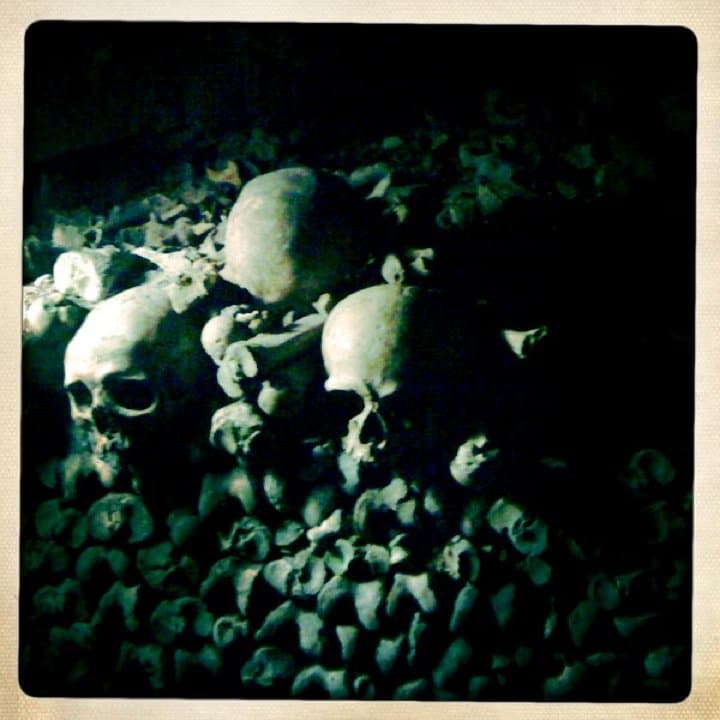
The Catacombs are amazing, if not a little macabre. Thousands of bodies were moved from cemeteries during the expansion of Paris. They were then stacked neatly into these catacombs under the city.
The price has recently gone up (after the 2025/26 renovation), but it is well worth the 131 steps down and 112 steps to climb out again! Get there early or go on a weekday if you can (and buy tickets in advance); as they limit the number of people in the catacombs at one time.
I went down there with a friend the first time and we were the only ones down there – honestly it was both fascinating and scary. We ended up scaring ourselves silly, and attached ourselves to a visiting Australian for emotional support!

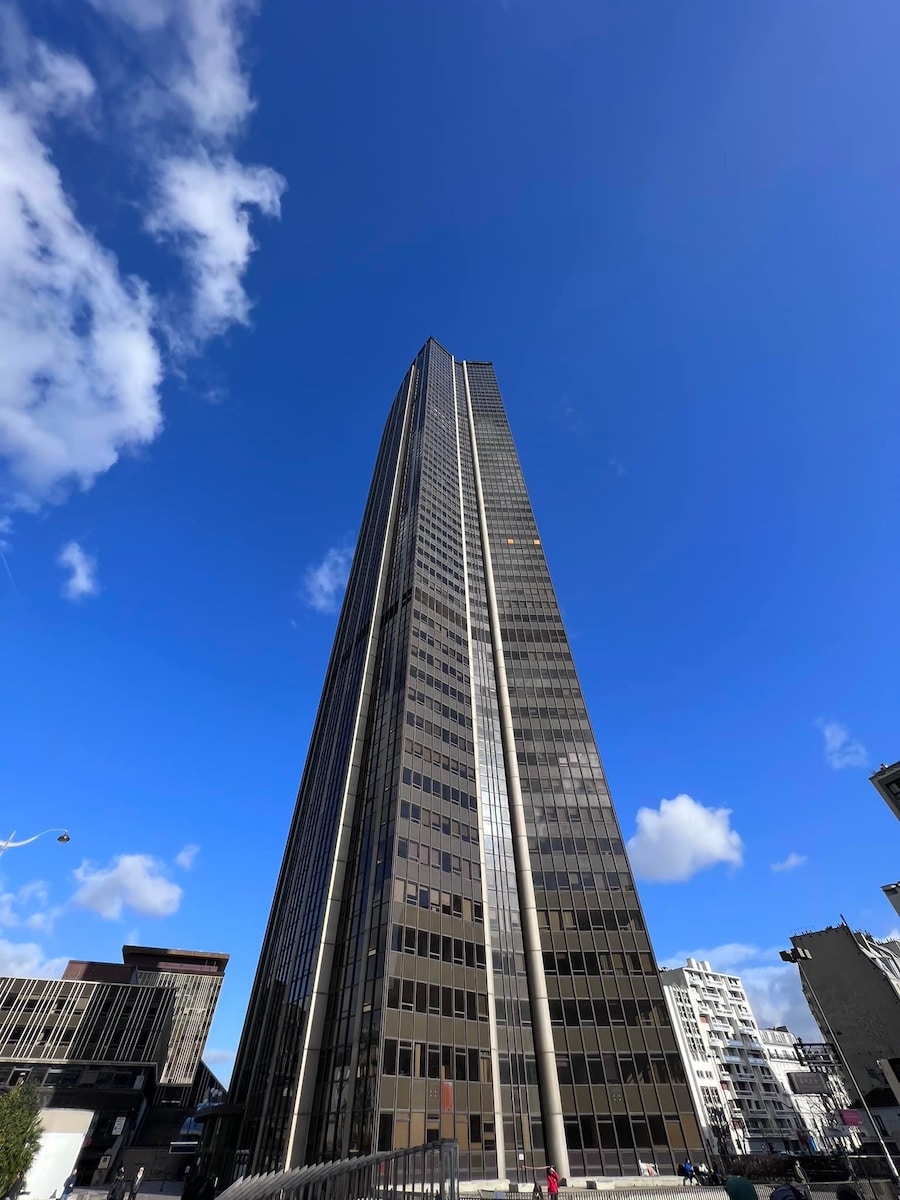
Montparnasse Tower
Nearest Metro: Montparnasse–Bienvenüe (Lines 4, 6, 12 & 13)
This modern tower’s appearance divides opinion among Parisians – and, in fact, is the reason not more high-rises are built within the Paris ring road. But there’s little debate about the spectacular 360-degree views it offers.
It is one of the views that allows you to admire almost all of the sights listed above from this magnificent vantage point. So, while it is currently closed for major renovation, I have chosen to include it, because it will reopen at some point and will definitely be worth a visit.
NOTE: The Paris Montparnasse Observatory closed to the public on March 31, 2026, for a major renovation project that will last several years.
Palace of Versailles
Nearest Station: Versailles Château – Rive Gauche (RER C) (rather than the Metro)
~8.4 million visitors per year
While not technically in Paris, it should be added because of its popularity!
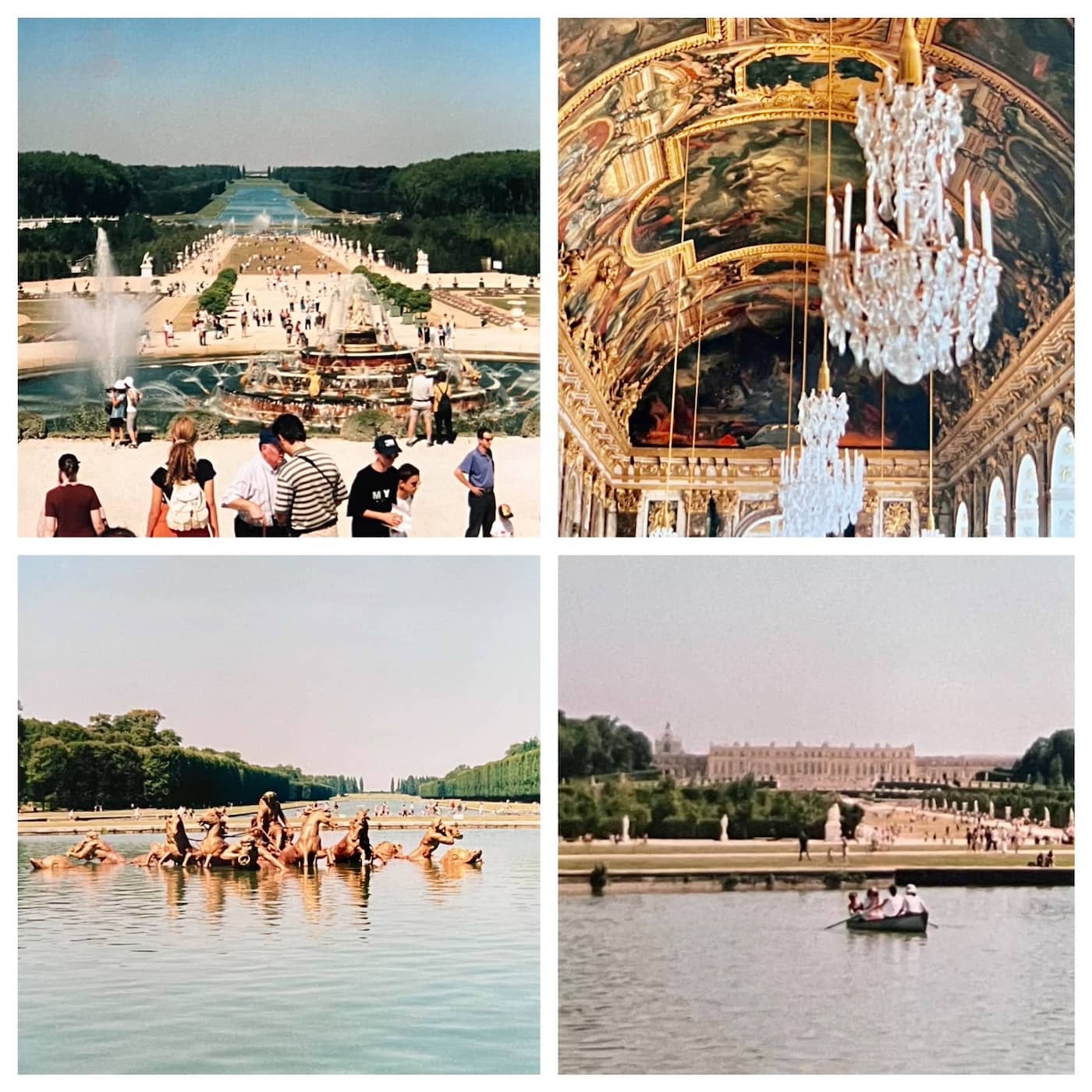
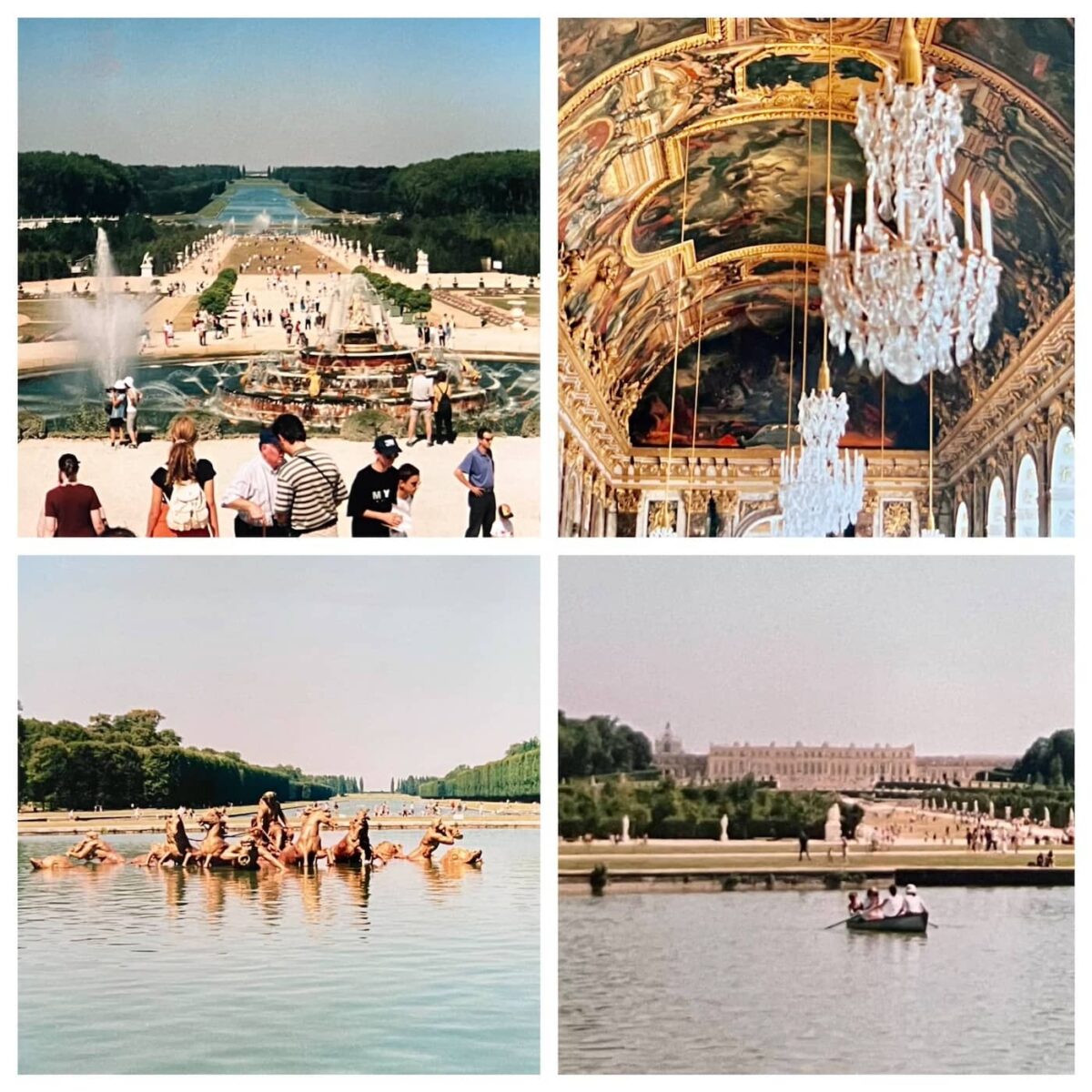
Around 20 kilometres southwest of central Paris, the Palace of Versailles was transformed by Louis XIV into one of the most extravagant royal residences in Europe. From the opulent Hall of Mirrors, lavish royal apartments and extensive formal gardens, it is a very popular day trip from Paris.
In the height of summer, Versailles is diabolically busy. We visited in July and the RER was crowded, the transfer bus from the train station was crowded, the queues were crazy, the hall of mirrors was just a hall full of people, and the only respite we got was out in the gardens!

Paris’ Top Attractions & Tips
So many Paris icons, so little time. Don’t worry, I have lots of Paris guides for those who have seen all the big ticket items and want to enjoy some of the lesser known spots. Forget the instagram views, they aren’t the real Paris.
The top attractions are a view of the past, history to be learned and marvelled; but the real Paris is living now. The students animatedly speaking verlan (an inverted slang language) on Place de la Contrescarpe, commuters who are able to stand perfectly still on a wobbly metro, sitting at your favourite cafe nursing a cafe noisette and thinking about how lucky you are to be sat right in this gorgeous beast of a city.
So, yes, visit the big attractions, they are famous for a reason. But don’t forget to wander, wonder and walk with whimsy – and don’t get so hung up on seeing everything that you miss the magical pauses!
France is more than just Paris – enjoy more here!
All photos & content © Hannah Henderson and may not be used without permission (sharing this blog post is fine, though!). Images shot with a Canon DSLR T3i Rebel + Canon EF-S 18-135mm f/3.5-5.6 IS STM; and an iPhone.