
Visiting Malta is like stepping back in time. Fortified towns, a diverse history, and excellent museums and monuments make Malta a fascinating destination. The weather is pleasant most of the year and often warmer than other parts of Europe, making it a popular destination in winter and spring. If you love archeology, museums, pretty squares, and an interesting cultural mix, then Malta could be for you! Here are some tips on how to spend one week in Malta, with options for longer stays too.


Where to stay in Malta
Over several visits, I have managed to stay in many different areas of Malta. From resort hotels on the coast to central Valletta locations, and here are my recommendations.
- Valletta – Valletta is the most expensive area to stay, but for a short break, it is a great option. Mid-range hotel options include: Castille Hotel, Tritoni Harbour Suites, Osborne Hotel, or La Falconeria Hotel – these are all within the old city walls. My luxury picks are The Phoenicia Malta, or 1926 Le Parisot Boutique Suites.
- Sliema – Sliema is just a wall of high-rises (how Paceville and St George’s Bay is turning into now), and is a little soulless as a result. If you book here, pick something like the Barceló Fortina Malta, which is located near the Sliema to Valletta ferry.
- Balluta Bay, St Julian’s – We love the area around Balluta and Spinola Bays in the St Julian’s Harbour. Prime hotels include the Malta Marriott Resort & Spa, and the gorgeous Cavalieri Art Hotel.
- Paceville, St Julian’s – While I wouldn’t recommend staying on the Paceville / Pembroke side of St Julian’s (it can be tacky + party central), there are heaps of new hotels being built, and this is driving prices down. There are many bus routes that run through this area, so if budget is a concern, you can get some very nice hotels at great prices here. We stayed at the AC Hotel St Julian’s, and the Intercontinental Malta in this area, both of which had great facilities. We didn’t mind the area too much, as it was a convenient hub for exploring.
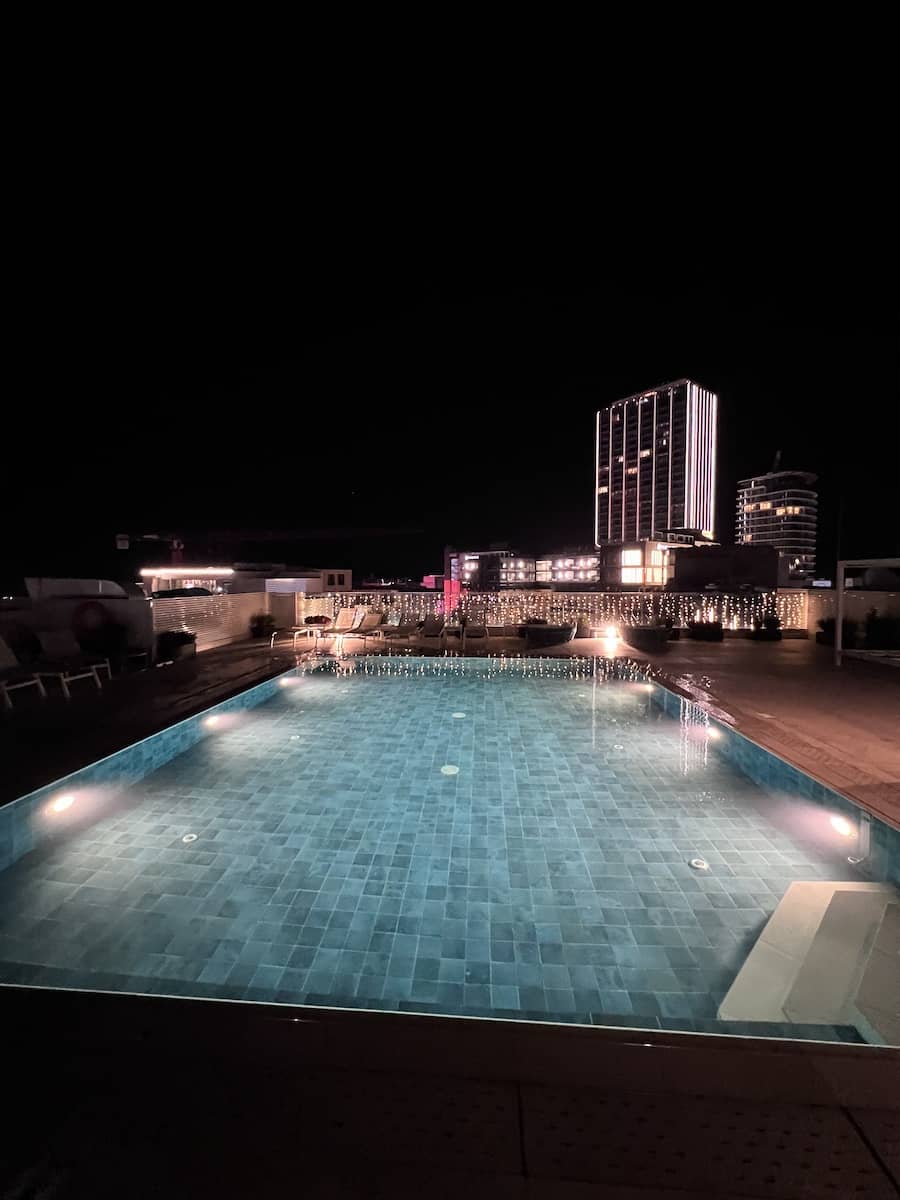
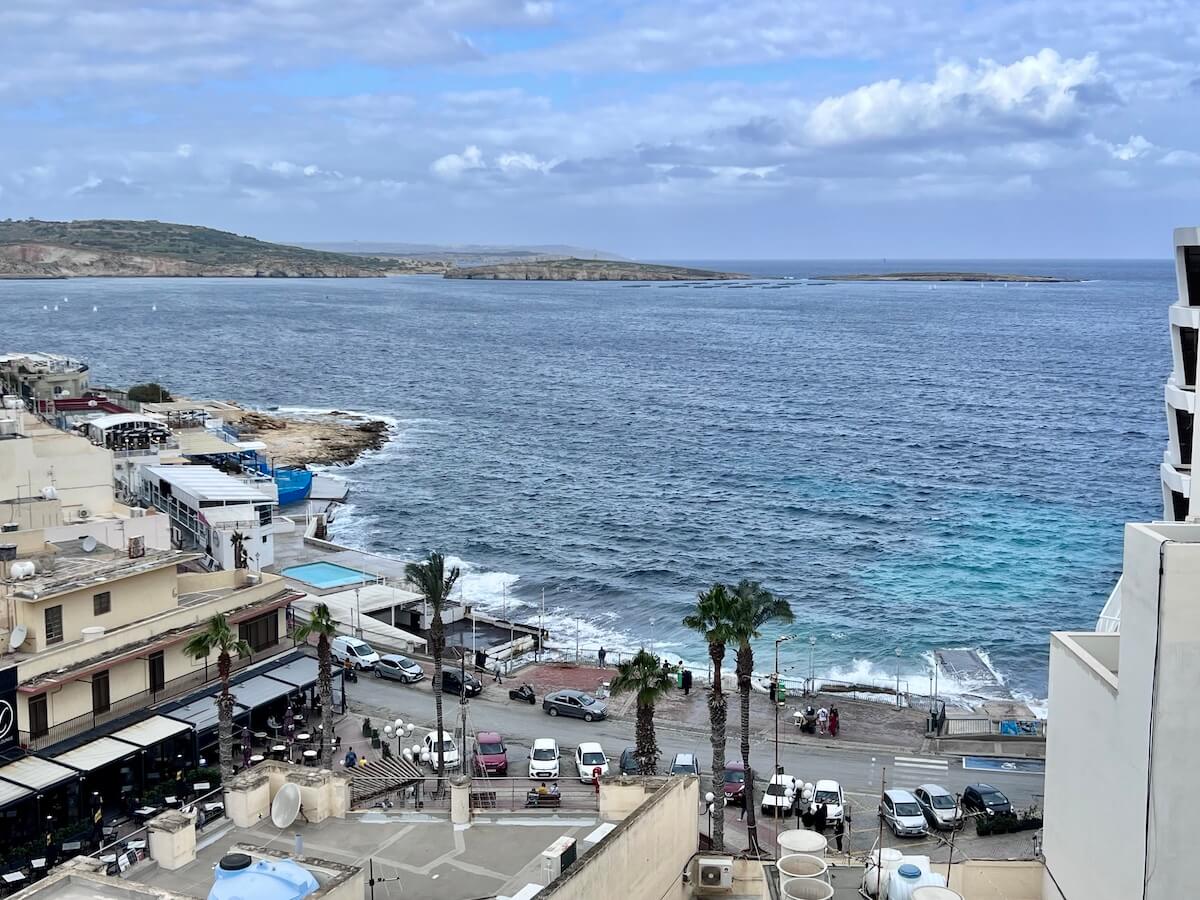
- St Paul’s Bay – We stayed in a sea-view room at the Ibis Styles St Paul’s and loved it. The room was modern and the view was brilliant. After the tourist-centric vibes of Sliema and Paceville, the area of Bugibba on St Paul’s Bay offered a more local feel.
- Mellieha – Mellieha is one of my favourite villages, with a stunning old centre, and layers of winding roads down to the coast, it is very pretty if you have a view. A central hotel option is Maritim Antonine Hotel & Spa Malta, or choose the coastal db Seabank Resort + Spa.
- Mdina – For options in the utterly charming fortified town of Mdina, the luxury Xara Palace Relais & Chateaux or Palazzo Bifora Boutique Hotel are both within the city walls.
- Gozo – See my Gozo Guide for accommodation recommendations.
How to spend 1 week in Malta
I recommend the following itinerary for one week in Malta:
- 2 days exploring Valletta
- 1 day exploring Mdina and the south coast – Dingli Cliffs, Hagar Qim & Blue Grotto
- 1 day on Gozo
- 1 day enjoying the fishing villages of Marsaxlokk and Marsaskala
- 1 beach or snorkelling day
- 1 day of relaxed sightseeing in Balluta Bay, Mellieha or Mosta
Valletta
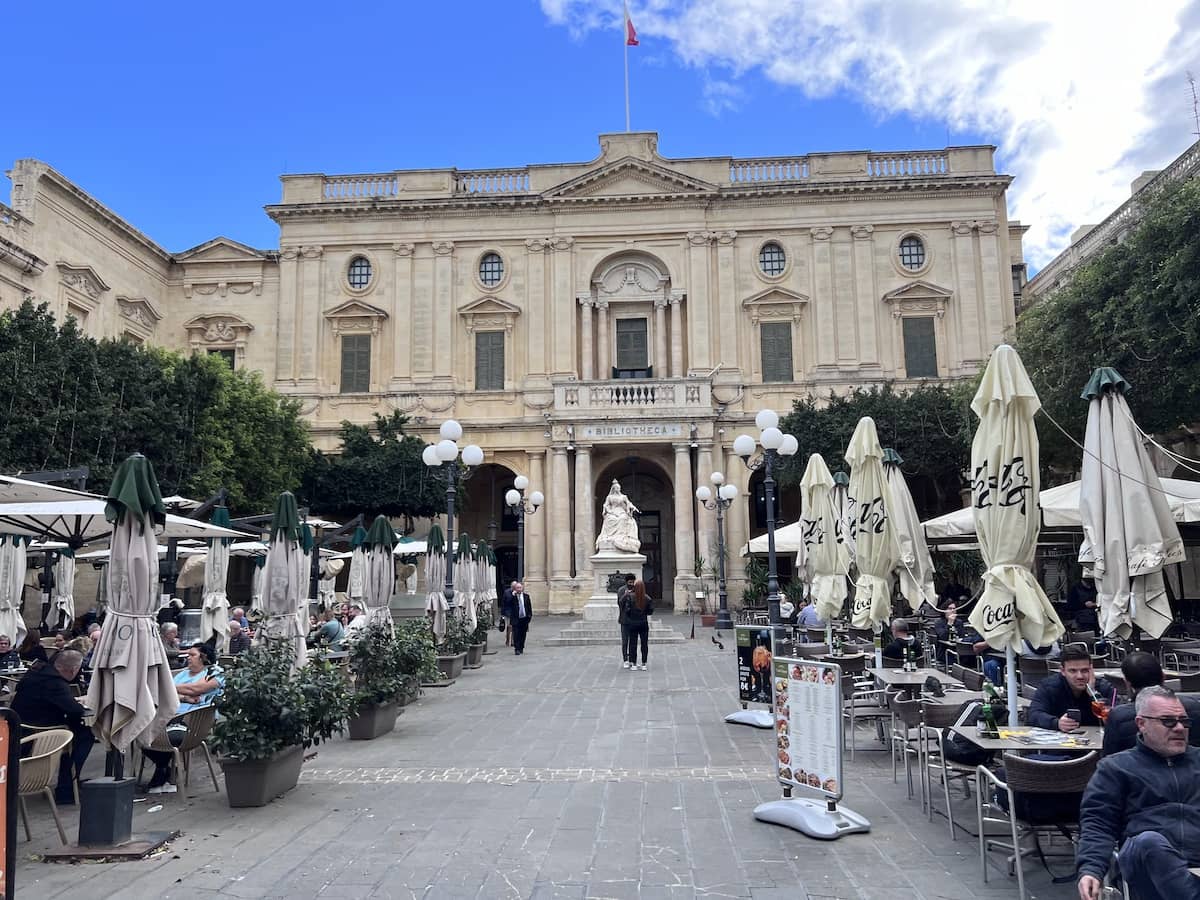
Valletta is the perfect destination for a weekend break. Compact, easy to walk around, and jam-packed with excellent cultural attractions and restaurants, it is city-break heaven!
The fortified old town is a wonderful mix of ramparts, impossible topography, military history and chic eateries. One day in Valletta would allow you to see the highlights below (perfect for cruise visitors), and a weekend in Valletta would allow you to see the second list of attractions too.
Highlights of Valletta
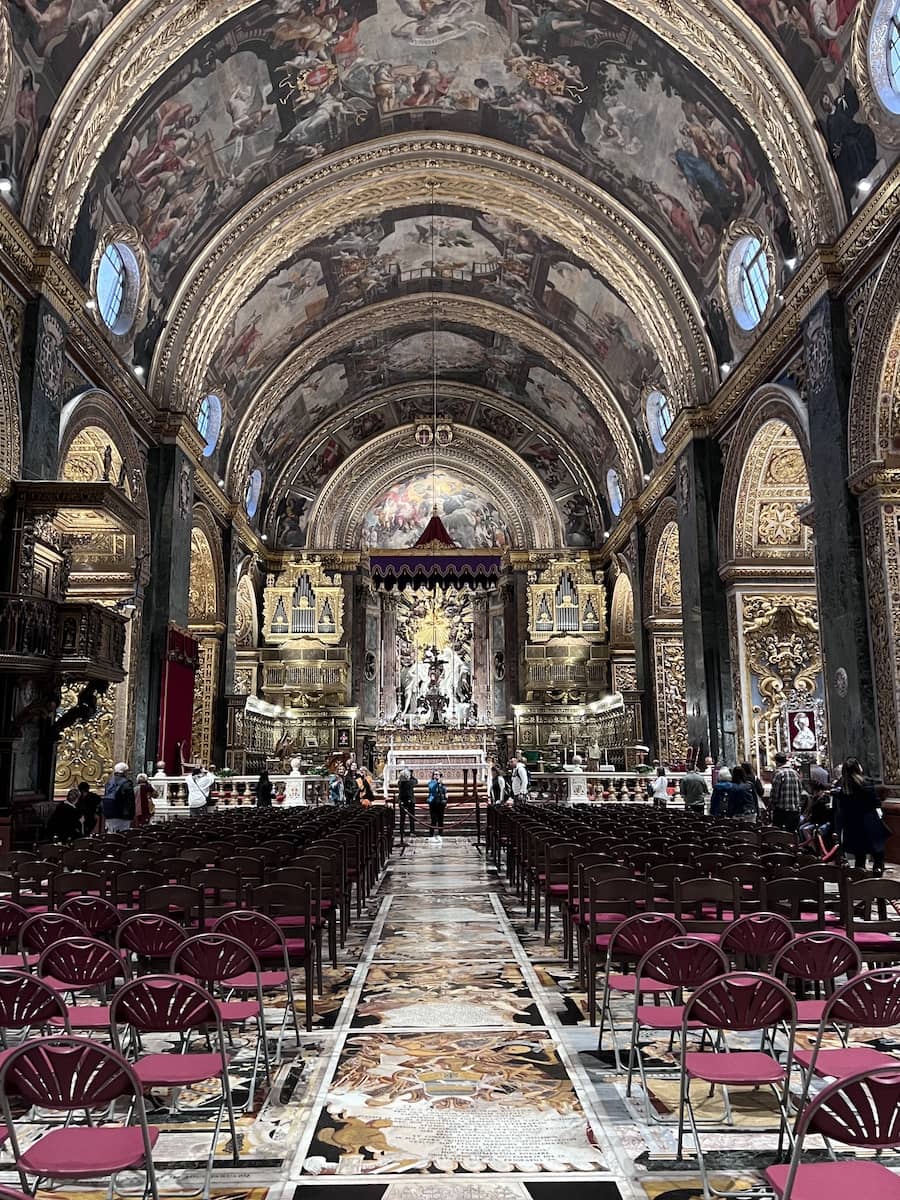
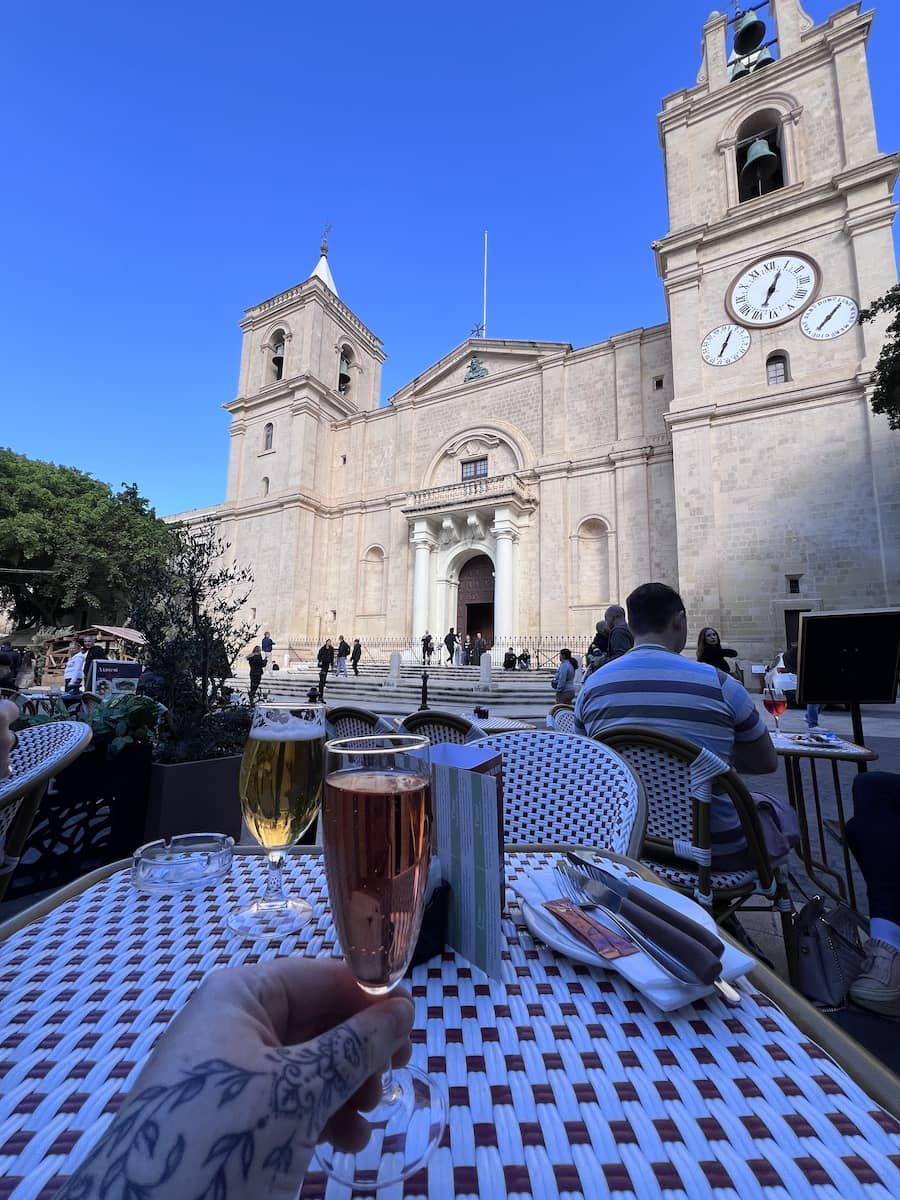
- St. John’s Co-Cathedral – This 16th-century Baroque cathedral is known for its opulent interior, Caravaggio paintings, and intricately decorated marble tombstones of the Knights of St. John.
- National Museum of Archaeology OR National War Museum, Fort St Elmo – Take your pick of museums in Valletta, there are many great ones. The National Museum of Archaeology is housed in the Auberge de Provence, and showcases Malta’s prehistoric artefacts, including the famous ‘Sleeping Lady’ and other significant temple-era relics. This is a good option for those who want to visit some of Malta’s archaeological sites during their one week in Malta. The National War Museum is based at the tip of Valletta’s peninsular in a historic fortress. It now houses a museum detailing Malta’s military history, including WWII exhibits.
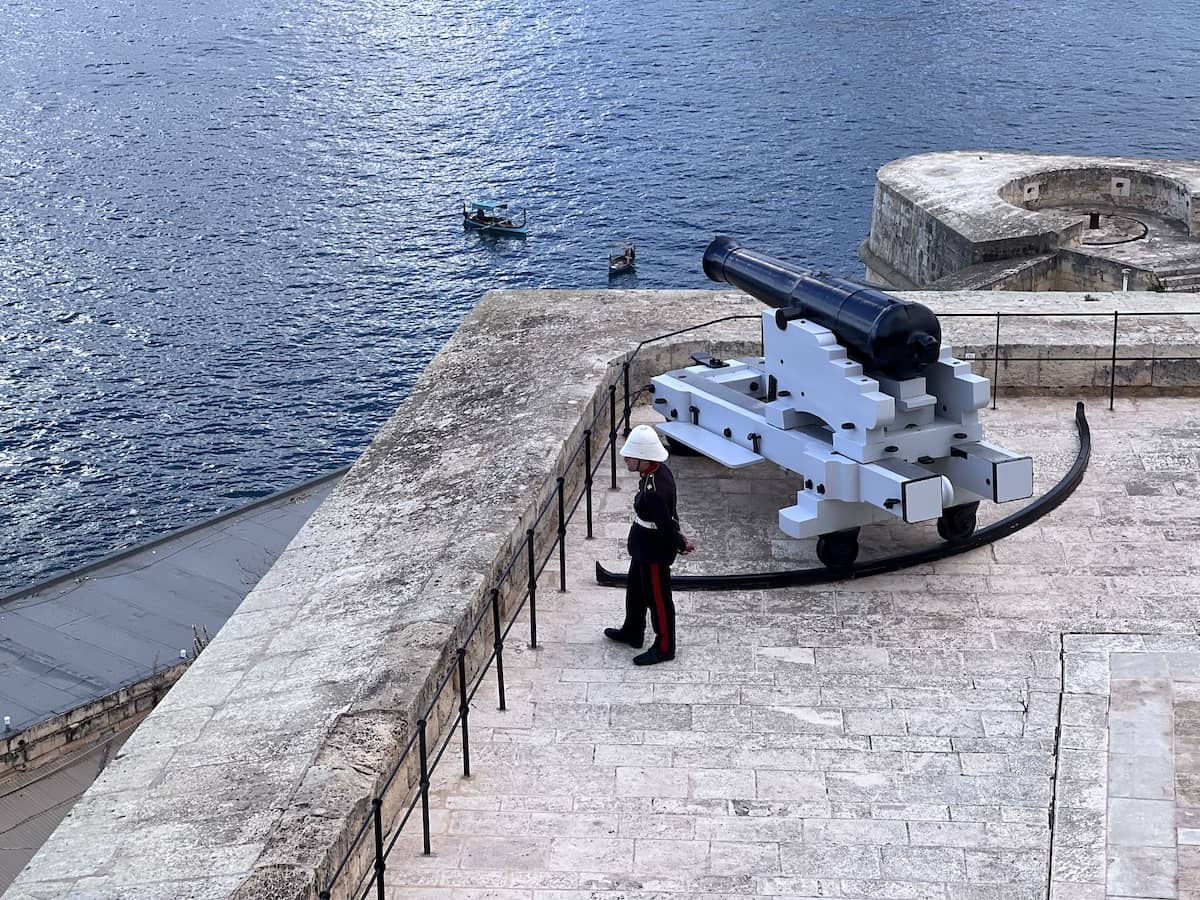
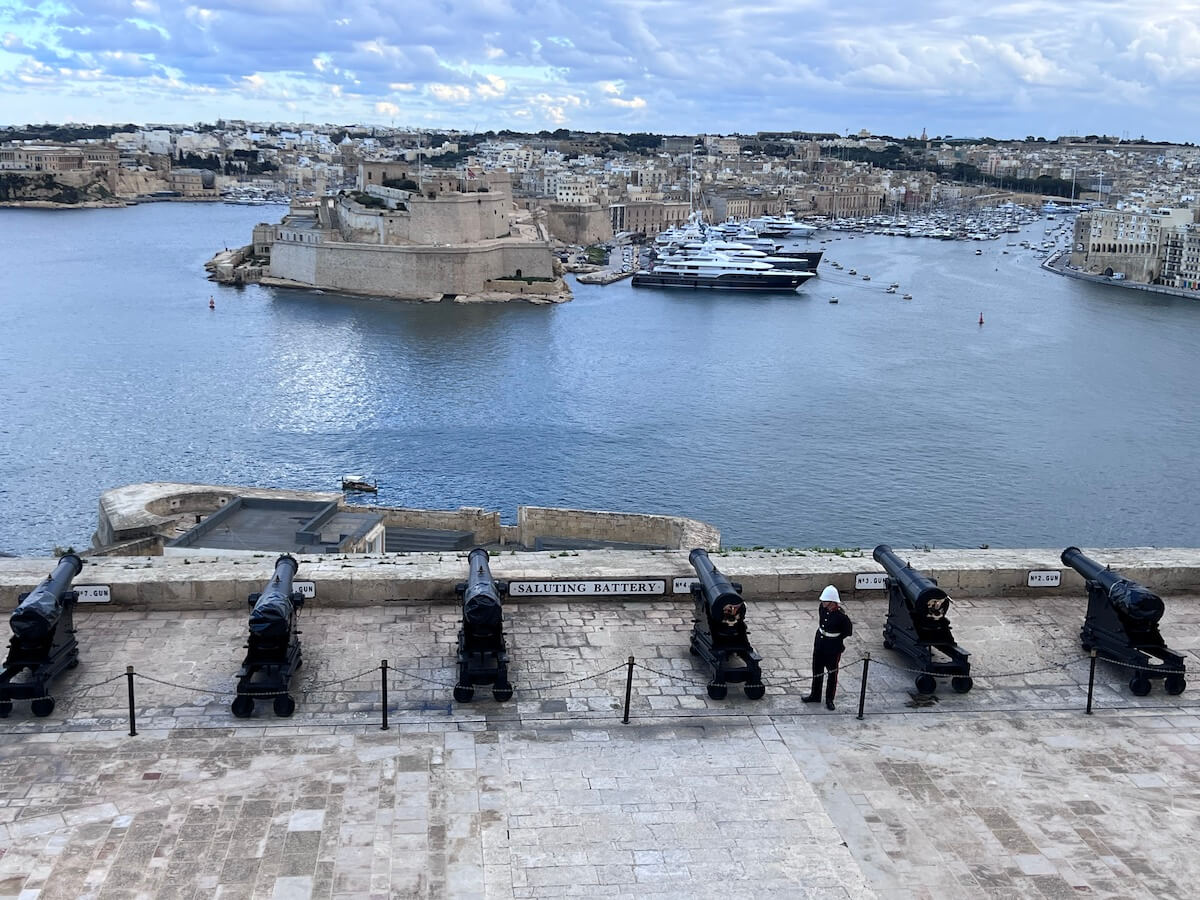
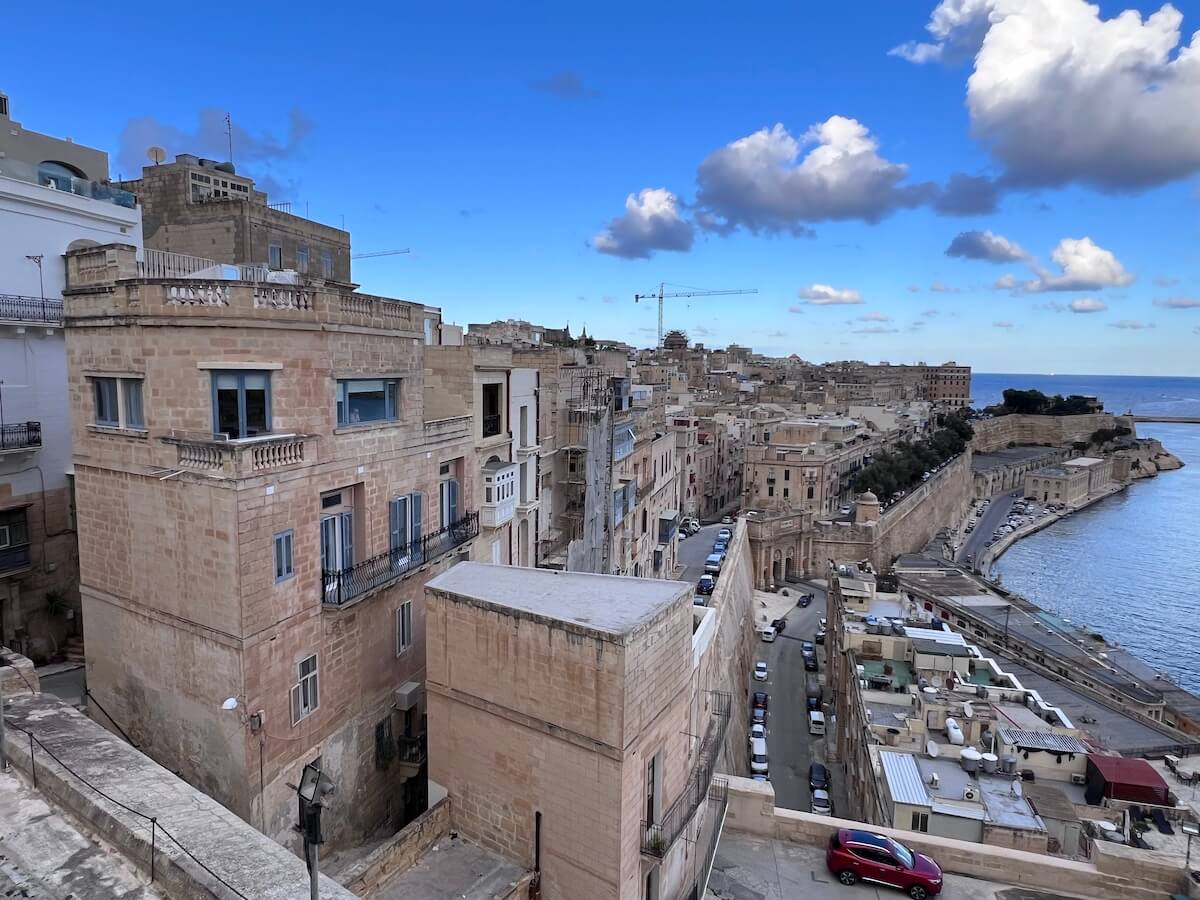
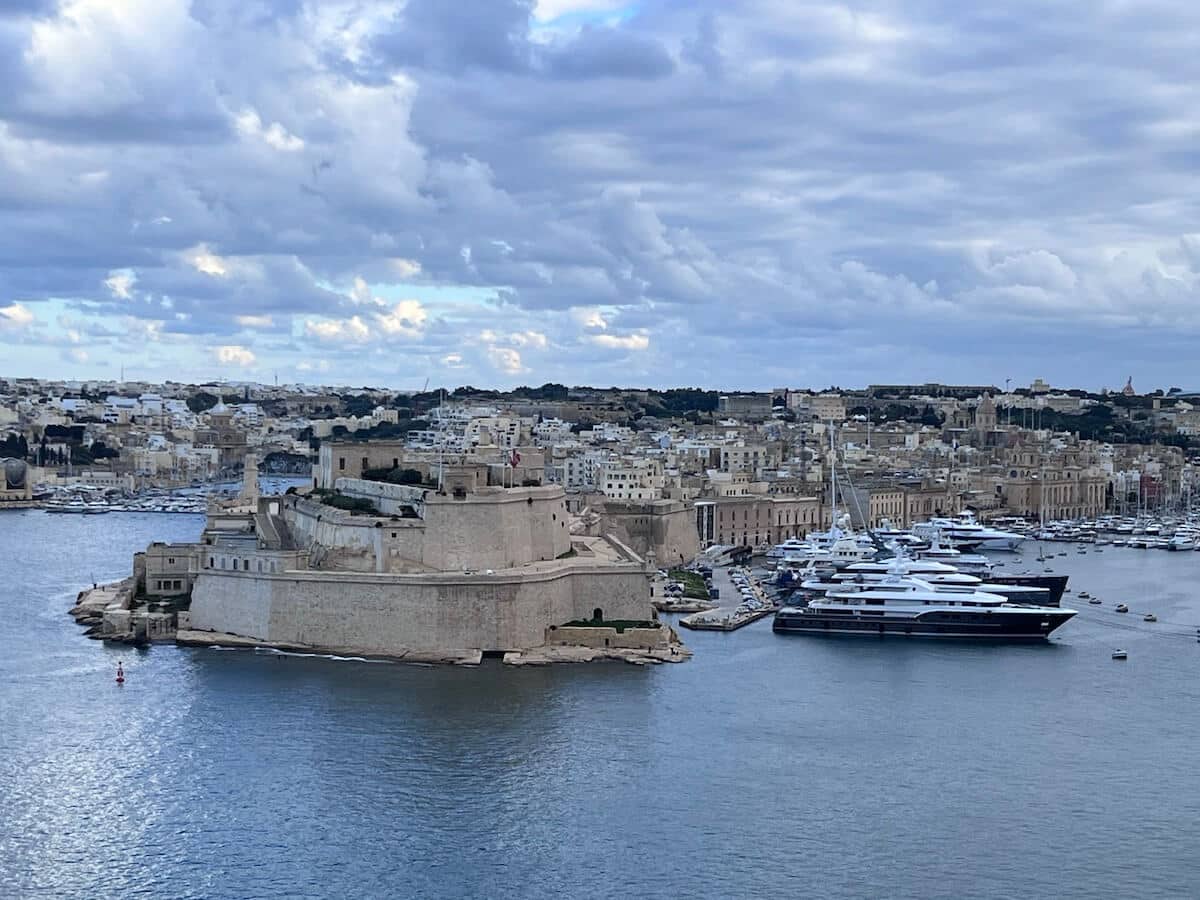
- Upper Barrakka Gardens – Offering stunning panoramic views over the Grand Harbour and over to the Three Cities of Malta, these gardens are home to the Saluting Battery, where historical cannon firings take place daily.
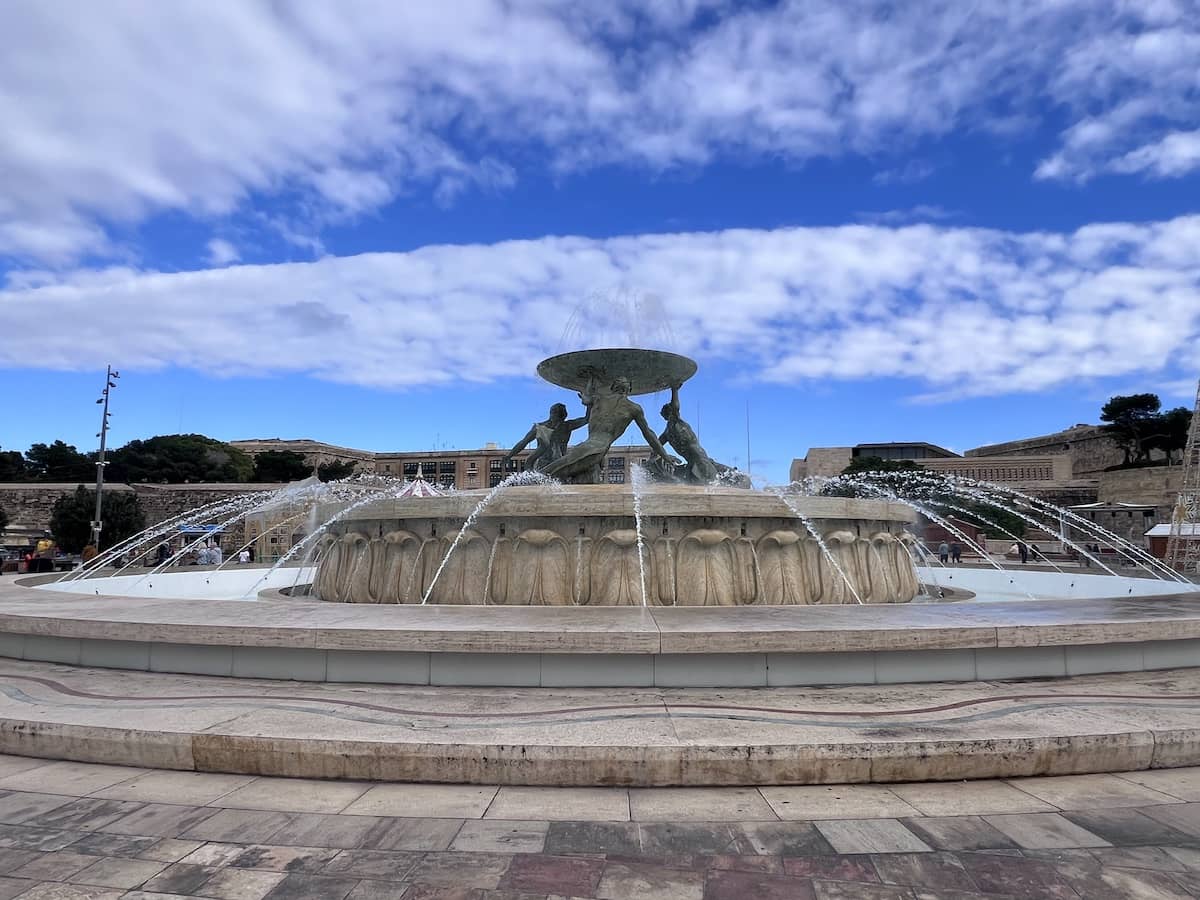
- Triton Fountain – As you walk in the Valletta city gates from the bus station, you’ll pass the Triton Fountain. It has three bronze Tritons holding a large basin, an iconic city landmark.
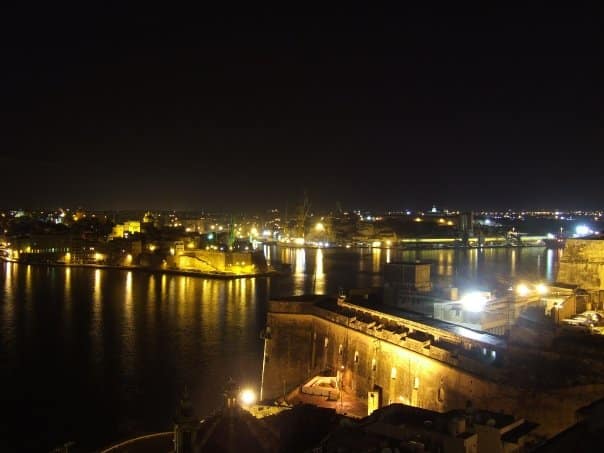
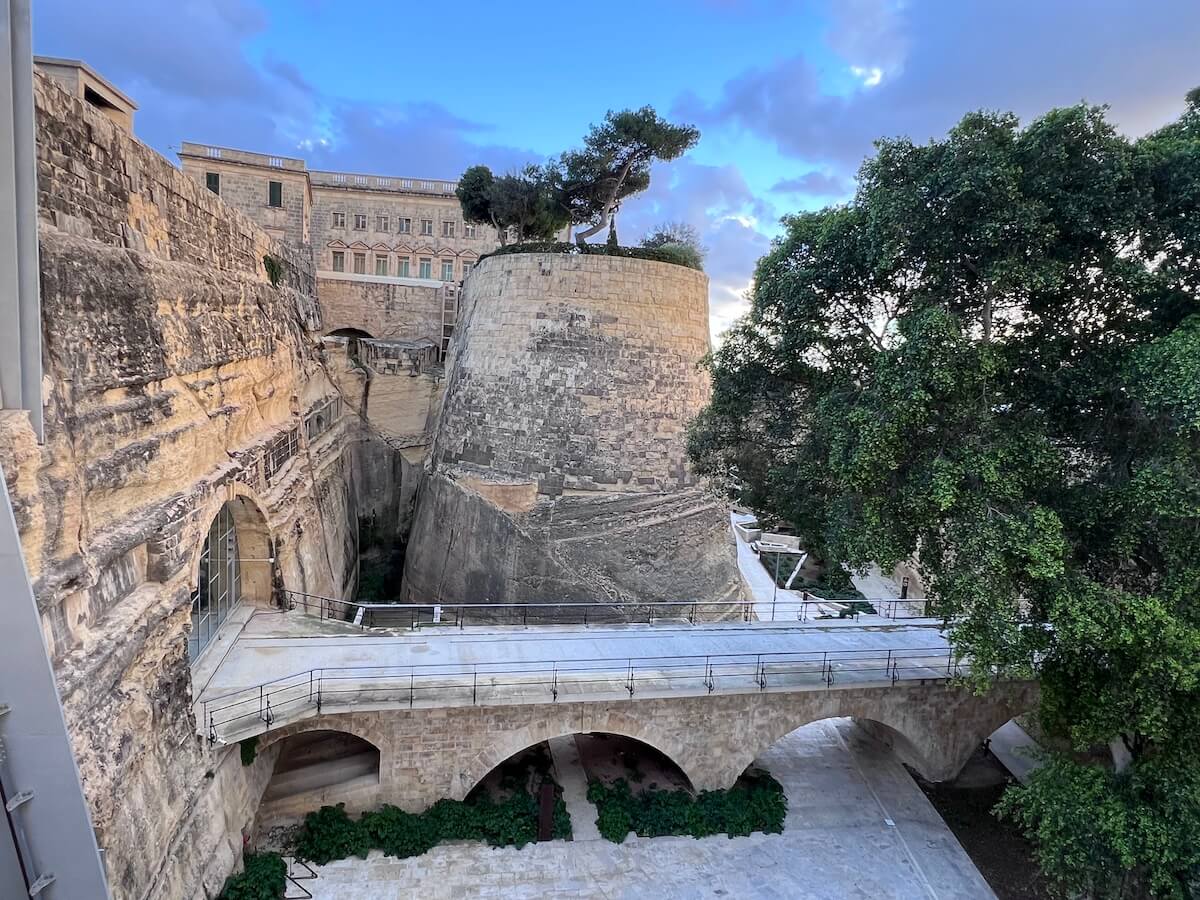
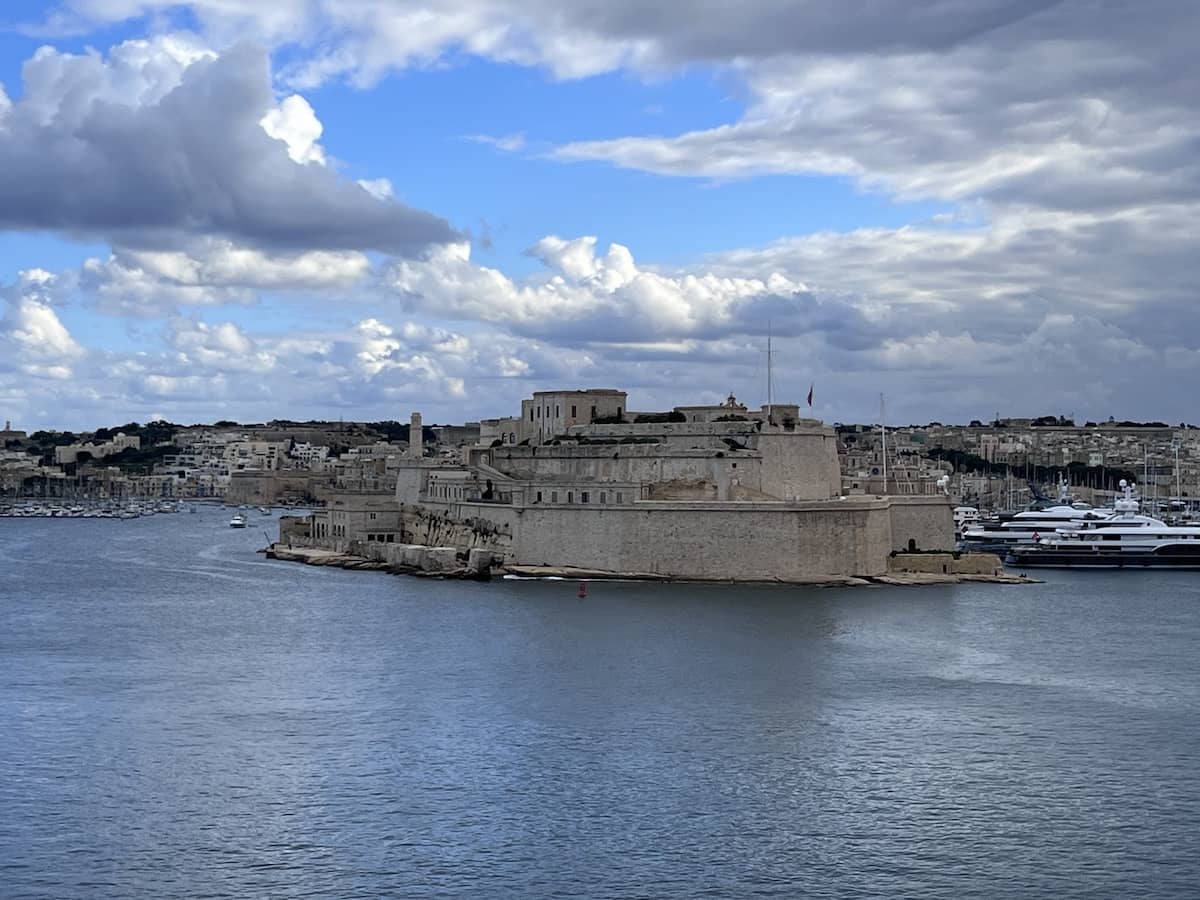
- Bastion Walk – This scenic route along Valletta’s fortified walls provides breathtaking views of the harbours each side and over to Fort Manoel. The architecture of these fortifications is very impressive, and now they are gardens and viewpoints.
Extras for 2 days in Valletta
- Grandmaster Palace or other museum – Once the residence of the Knights of St. John, this palace features opulent halls, historic armories, and serves as Malta’s Presidential Office and Parliament. Or pick one of the other museums or historical site.
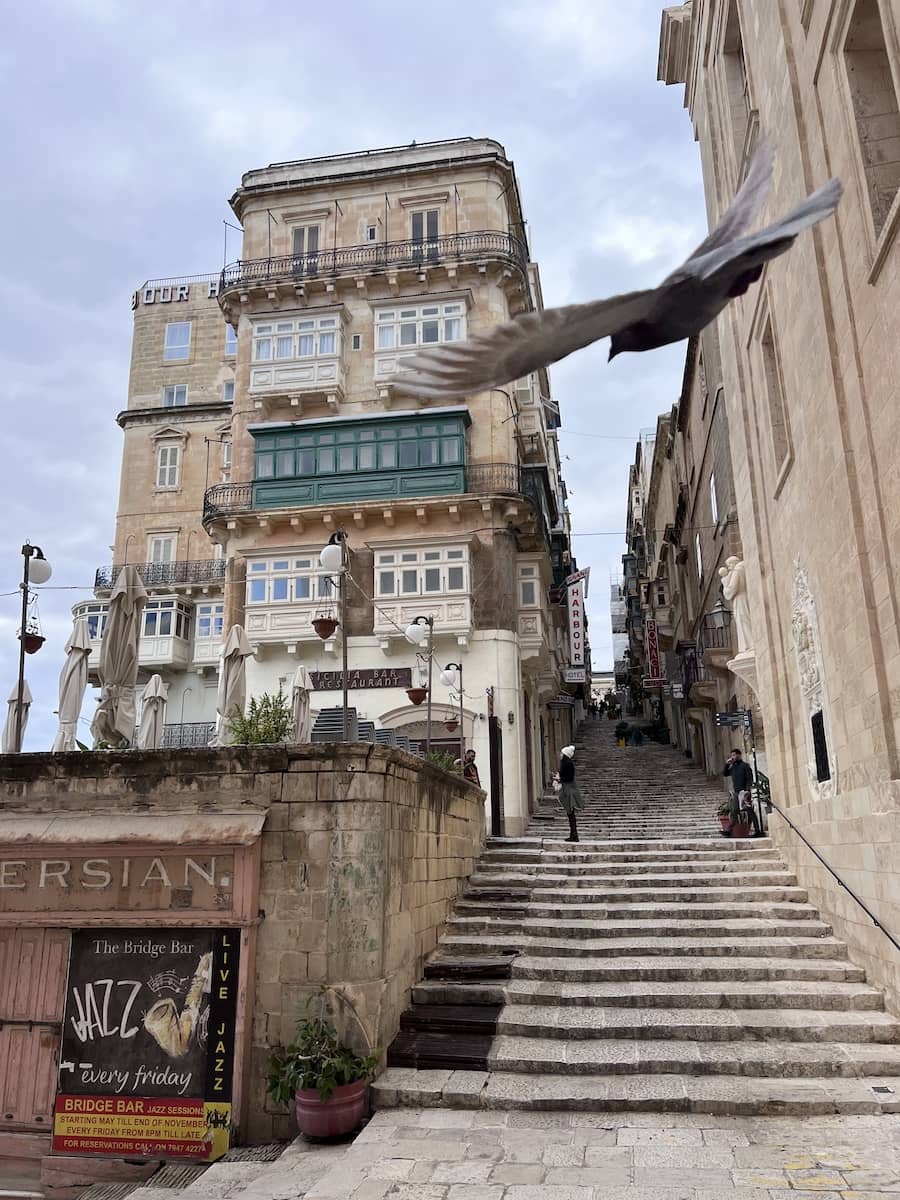
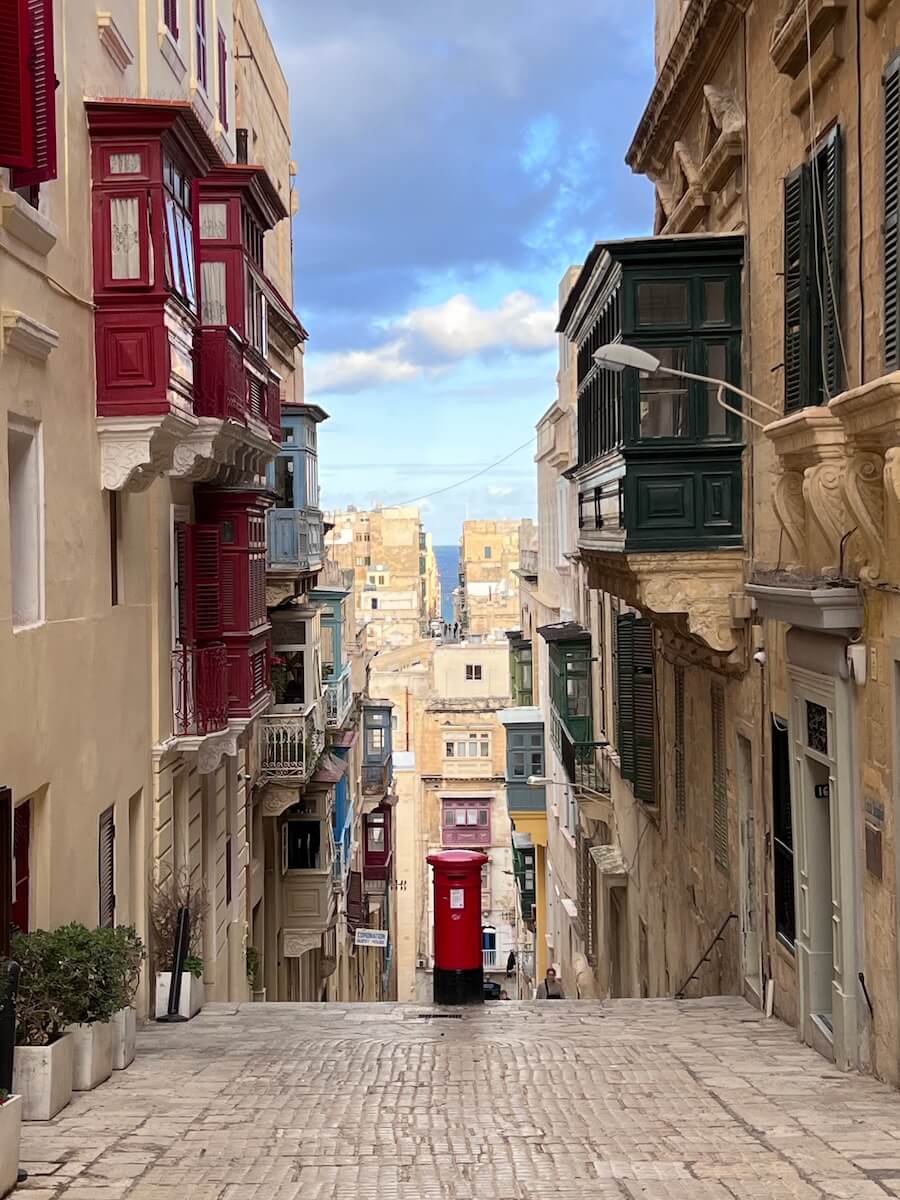
- Enjoying the steep streets and squares – Wander Valletta’s narrow, steep streets will reveal the charming squares, Maltese balconies, and historic architecture of the city. We found it fascinating seeing so much British influence, forgetting how recently it was part of the British Empire (1800–1964). We spoke to some local Maltese about it and they are very cognisant of the struggles that these successive foreign rules had on the culture. Expect a multi-layered cultural experience when in Malta!
- A visit to the Three Cities – Explore the Three Cities (just over the Grand Harbour from Valletta) —Vittoriosa, Senglea, and Cospicua—these neighbourhoods offer a glimpse into Malta’s rich maritime history, fortified harbours, and a quieter pace.
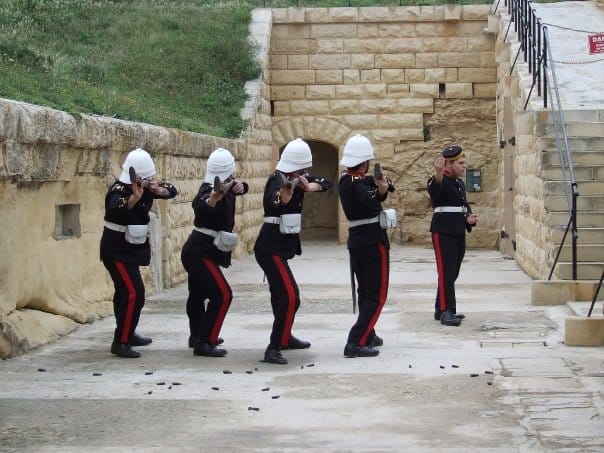
- Military History at Fort Rinella – Fort Rinella, home to the world’s largest muzzle-loading cannon, provides interactive displays and reenactments showcasing Malta’s strategic military significance. We enjoyed an afternoon here despite not being military history buffs!
where to eat in Valletta
Our favourites were:
- Trabuxu (2 Strait Street) – This chic wine bar does charcuterie platters that are literally works of art, and has an extensive collection of local and international wines. I would highly recommend this wine bar and sister bistro around the corner on South Street.
- Il-Horza Restaurant (St. Christopher Street) – This fantastic Maltese / Italian restaurant is in a typically tiny Valletta townhouse. While Malta’s history of being continuously conquered and occupied for years isn’t a great one, the varied influence of the occupiers does lead to some great food options.
- Manouche Craft Bakery Valletta (7 St. John Square) – While it’s a touristy location (with a view of the Cathedral), I have listed this restaurant because of the Carbonara Benedict they serve – it is a ridiculously indulgent dish worth mentioning!
- Rampila Restaurant (entrance at St. John Cavalier, Ordnance St) – With by far the best location in all of Valletta, tucked into tunnels and a terrace in the ramparts, Rampila is a white table-cloth restaurant which isn’t actually that expensive to eat at. It is a refined, but approachable menu, and a unique and memorable location.

Explore MdIna and the South Coast
I recommend hiring a car for this day excursion (if you haven’t already hired one for your trip). Day car hires are very common in Malta, and you can usually just ask your hotel to help, or book from a nearby area office of the main companies.
Mdina
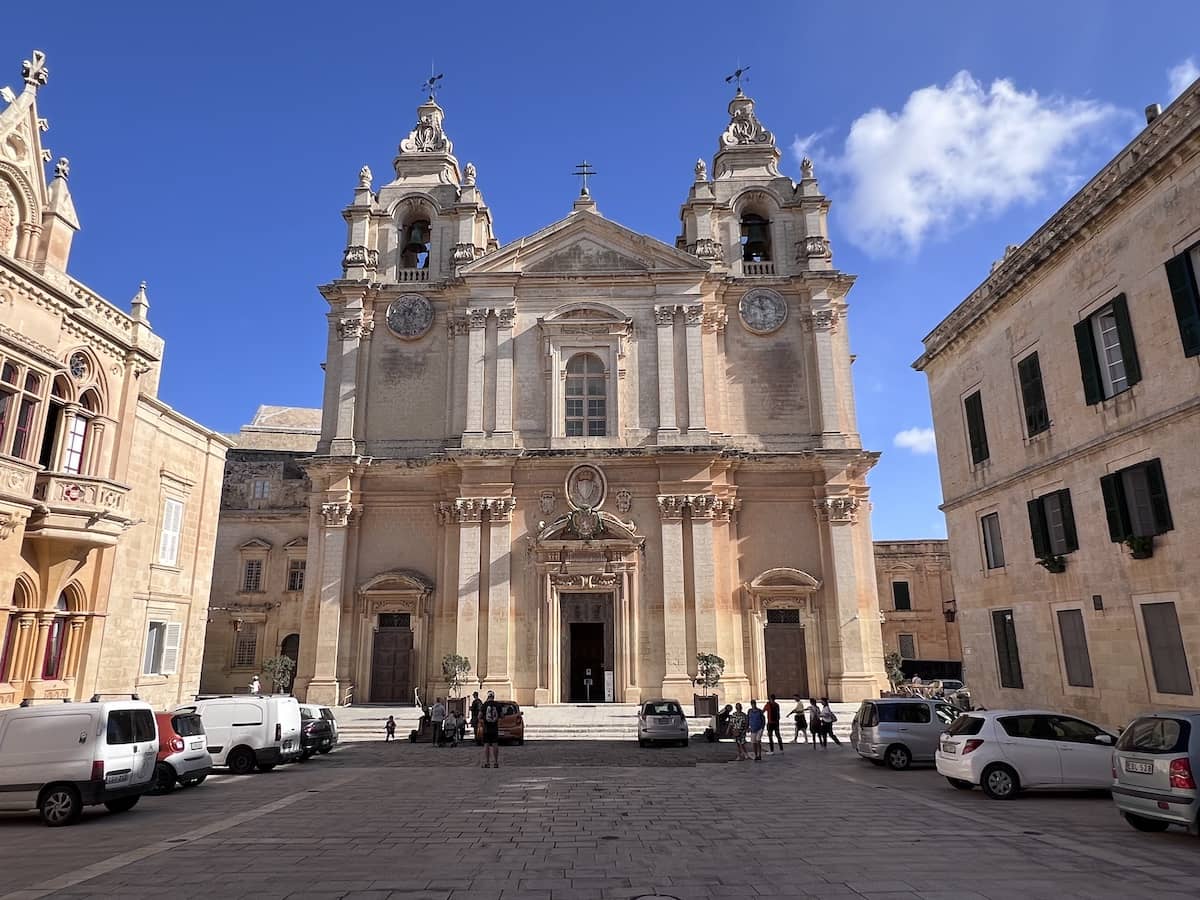
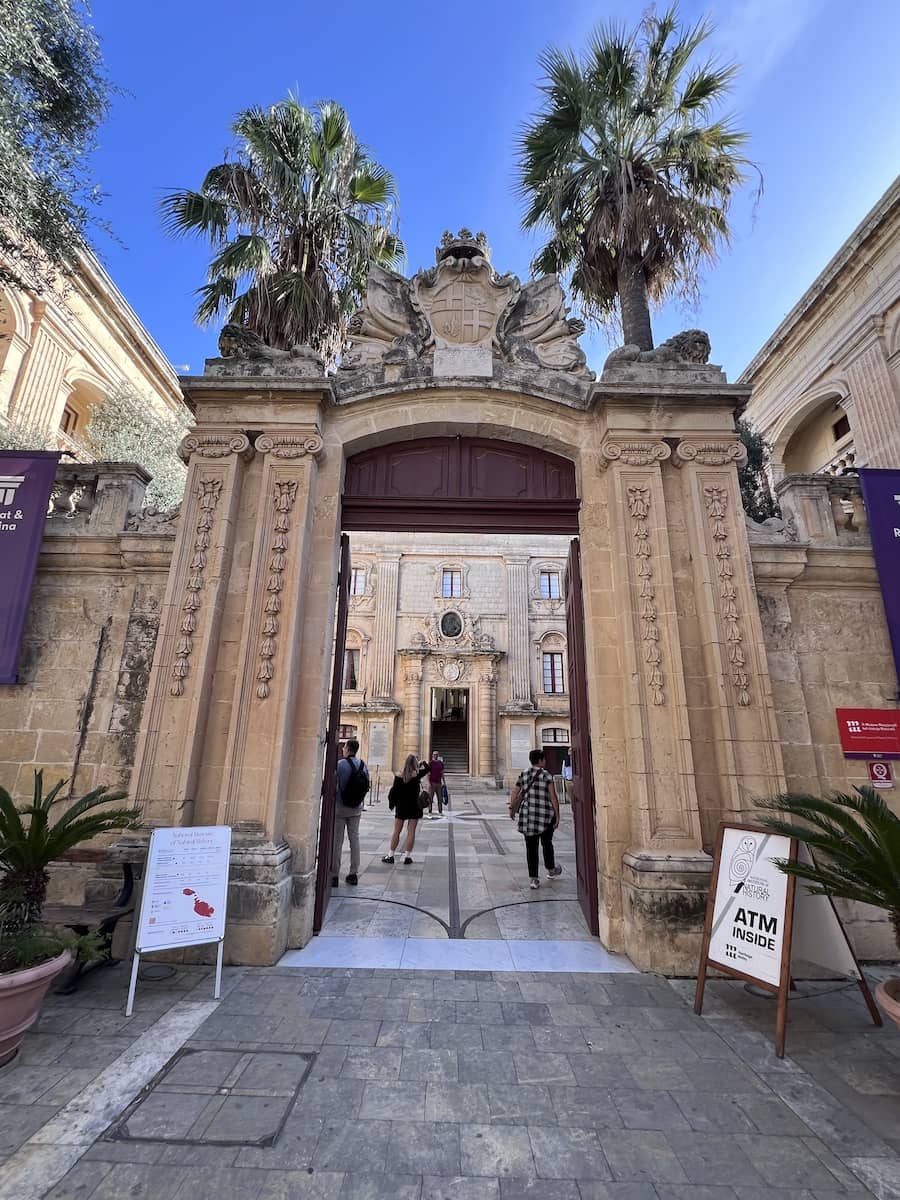
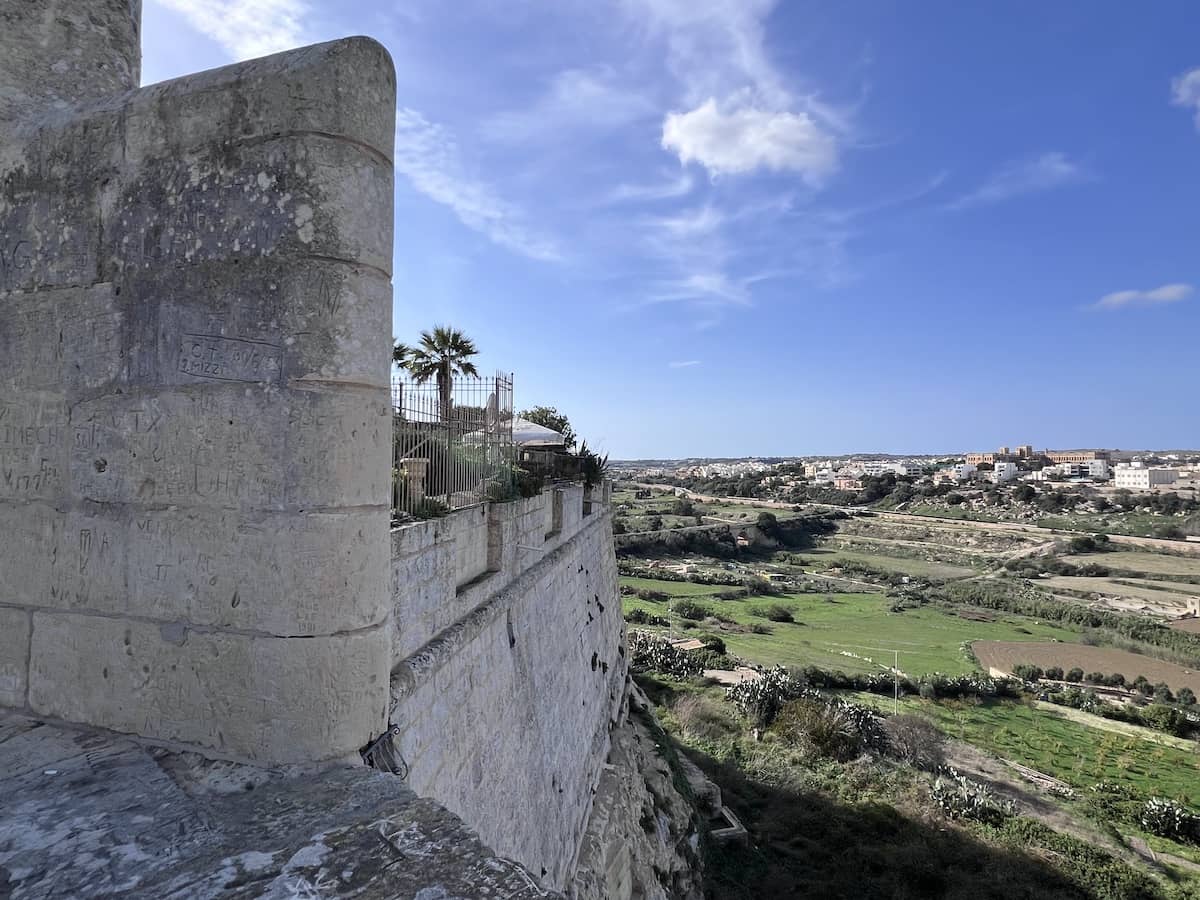
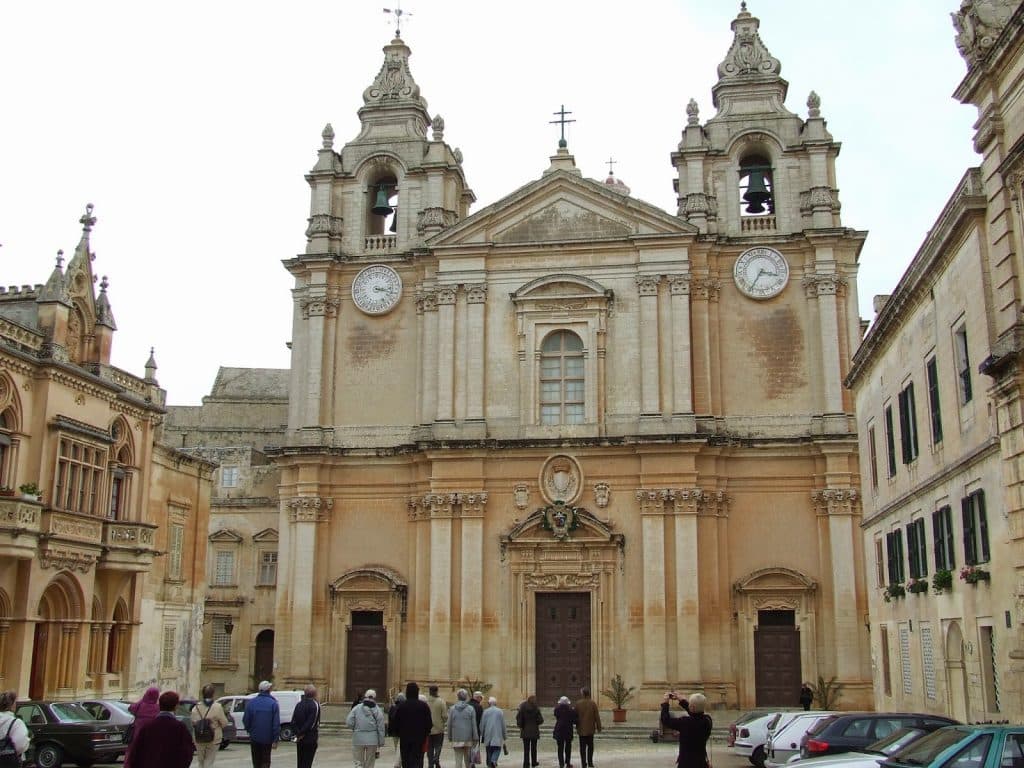
Mdina is a gorgeous fortified town with some delicious architecture and enchanting winding streets. Highlights were St Paul’s Cathedral, a Carmelite Priory, and the Mdina Fortress views. Stop for a bite to eat or a coffee in one of the many cafés and admire this well-preserved walled town.
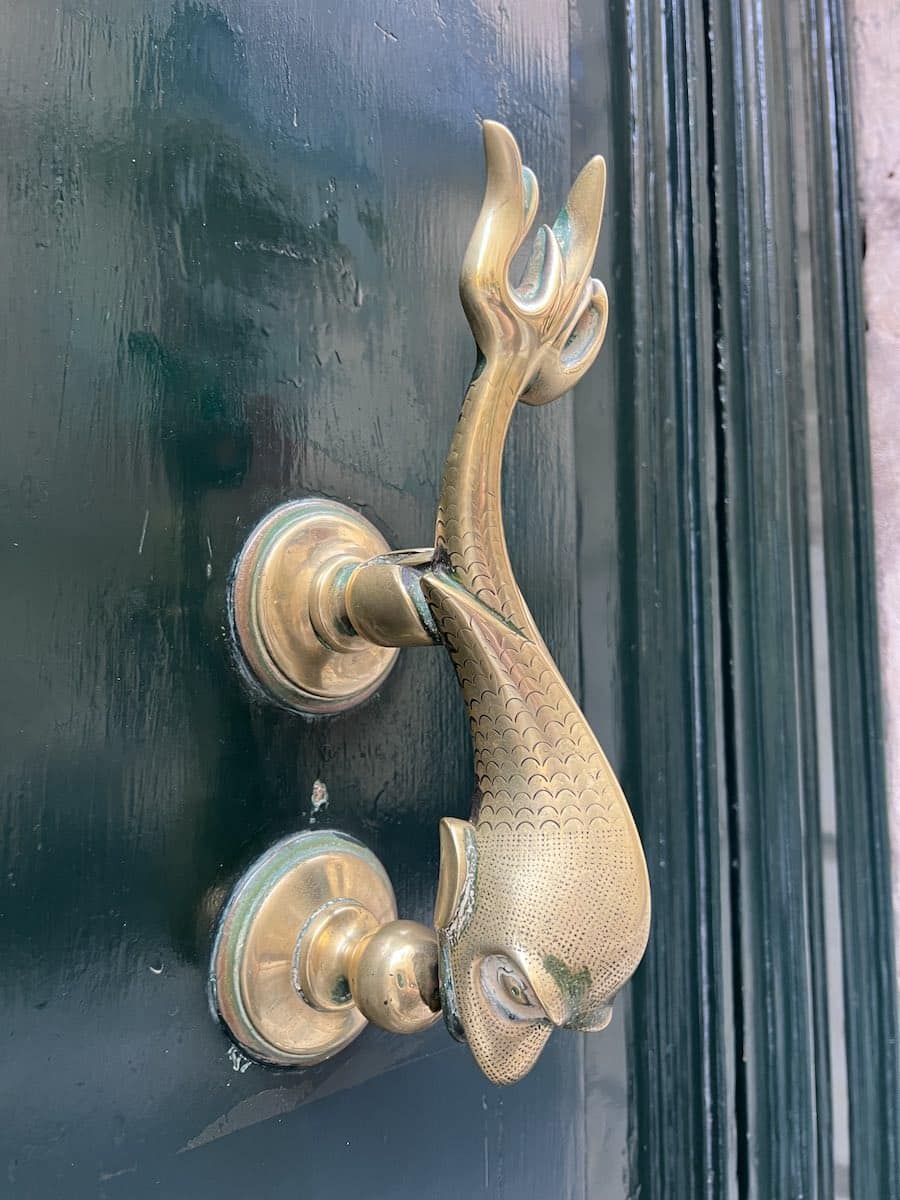
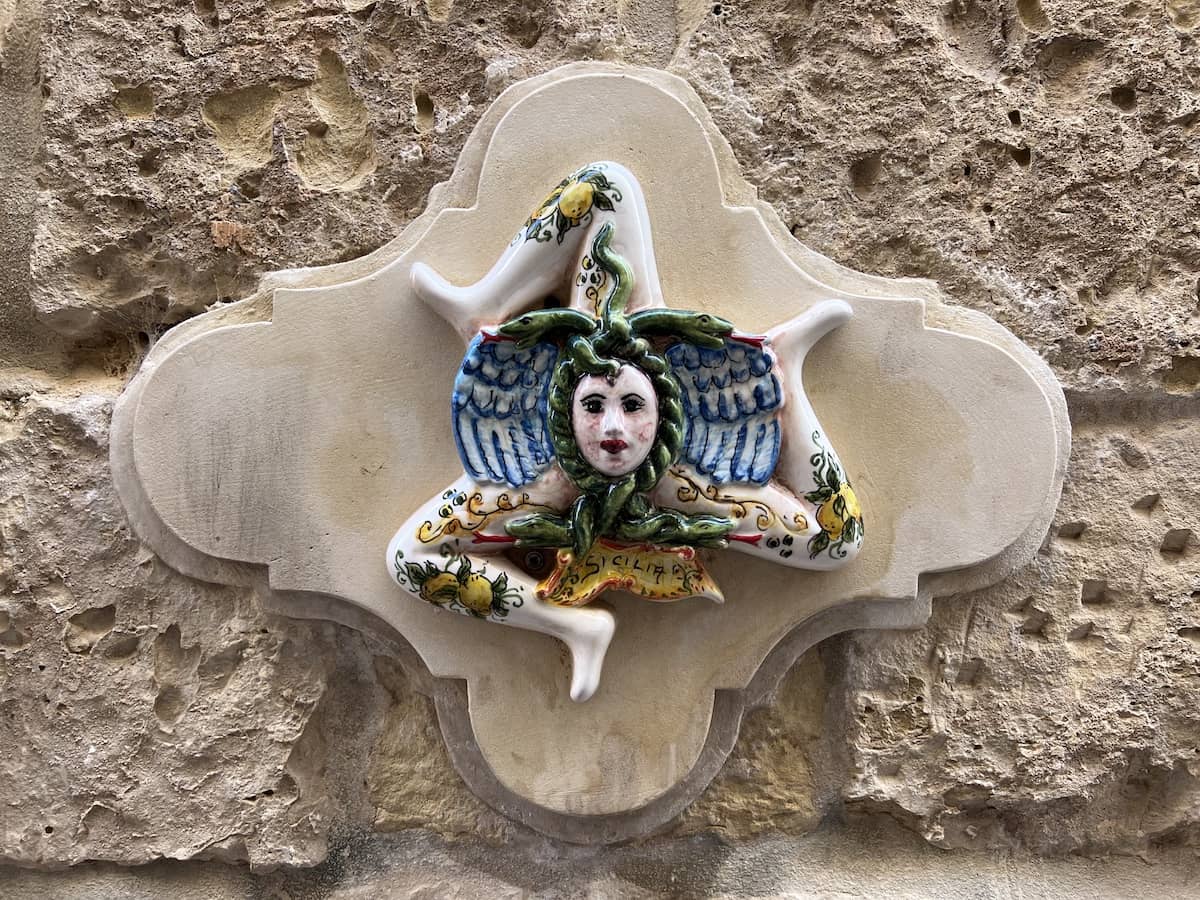
I loved the house number or religious plaques and door knockers of Mdina. Metal or brass knockers that are shaped like fish or dolphins are popular in Malta. They symbolise prosperity and maritime connections, reflecting Malta’s long history as a seafaring nation. Take a walking tour of Mdina to find out more.

For tours and day trips, visit Get Your Guide for tickets!
Dingli Cliffs & Blue Grotto
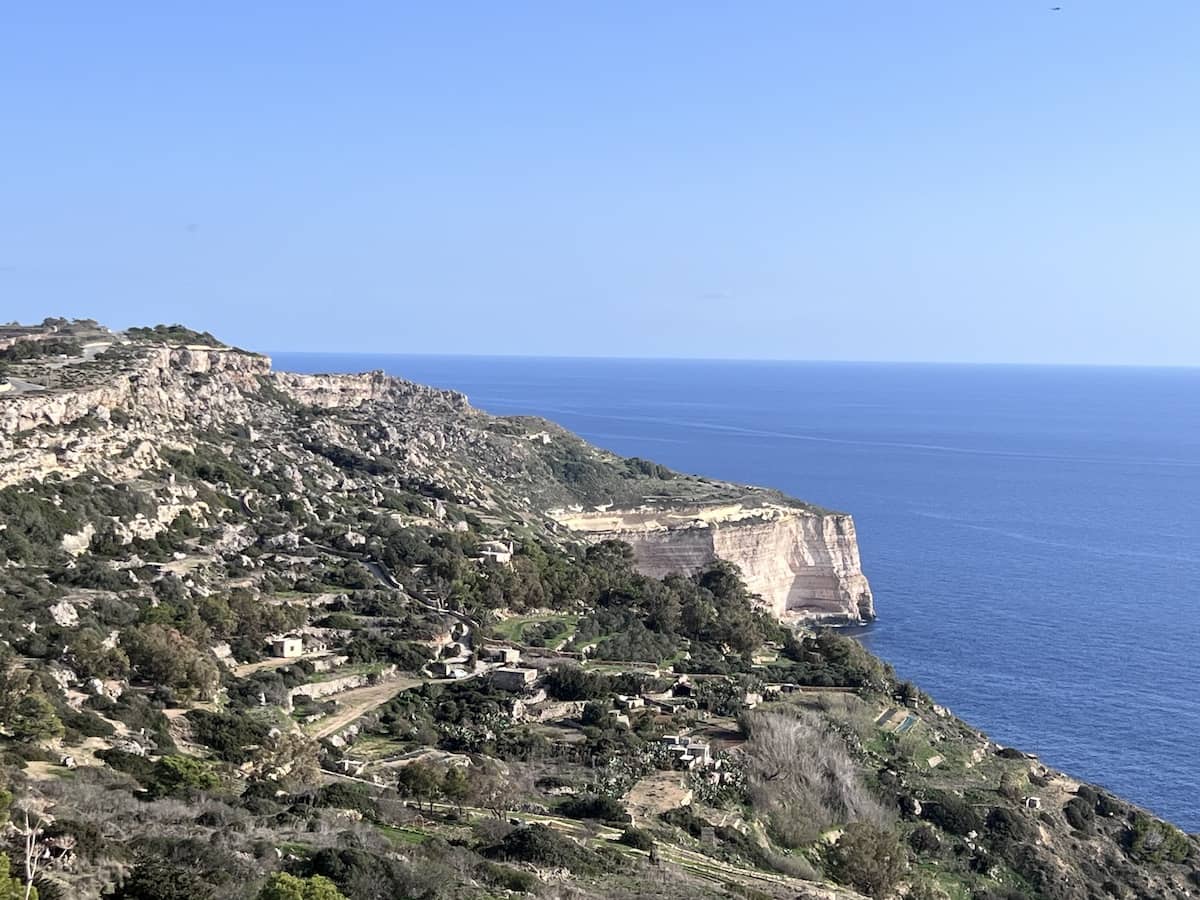
The Dingli Cliffs are equivalent to the white cliffs of Dover – worn away to step drop-offs and fascinating formations by years of erosion. Breathtaking panoramic views of the Mediterranean Sea, stretching across the island of Filfla, remind you how isolated Malta is.
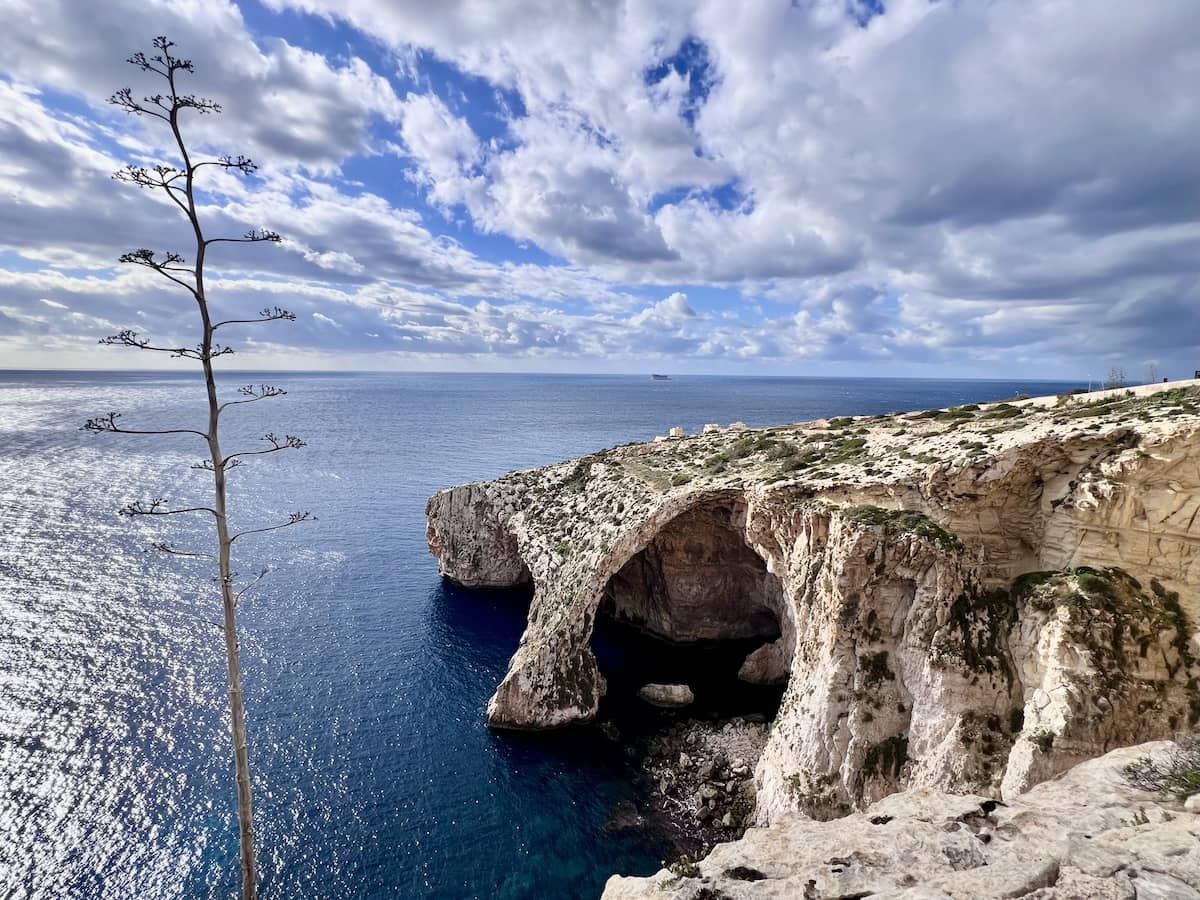
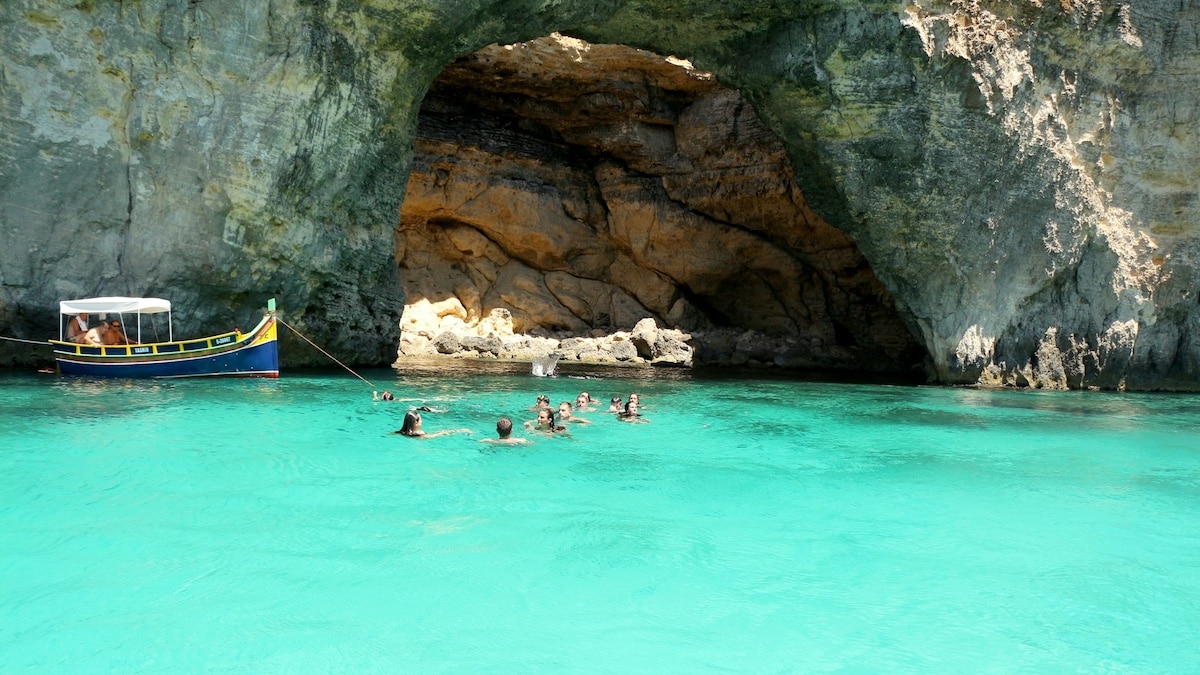
The Blue Grotto is a stunning sea cave famous for its vivid blue waters, which is best explored by boat, but you can see the incredible arches from the viewpoint.
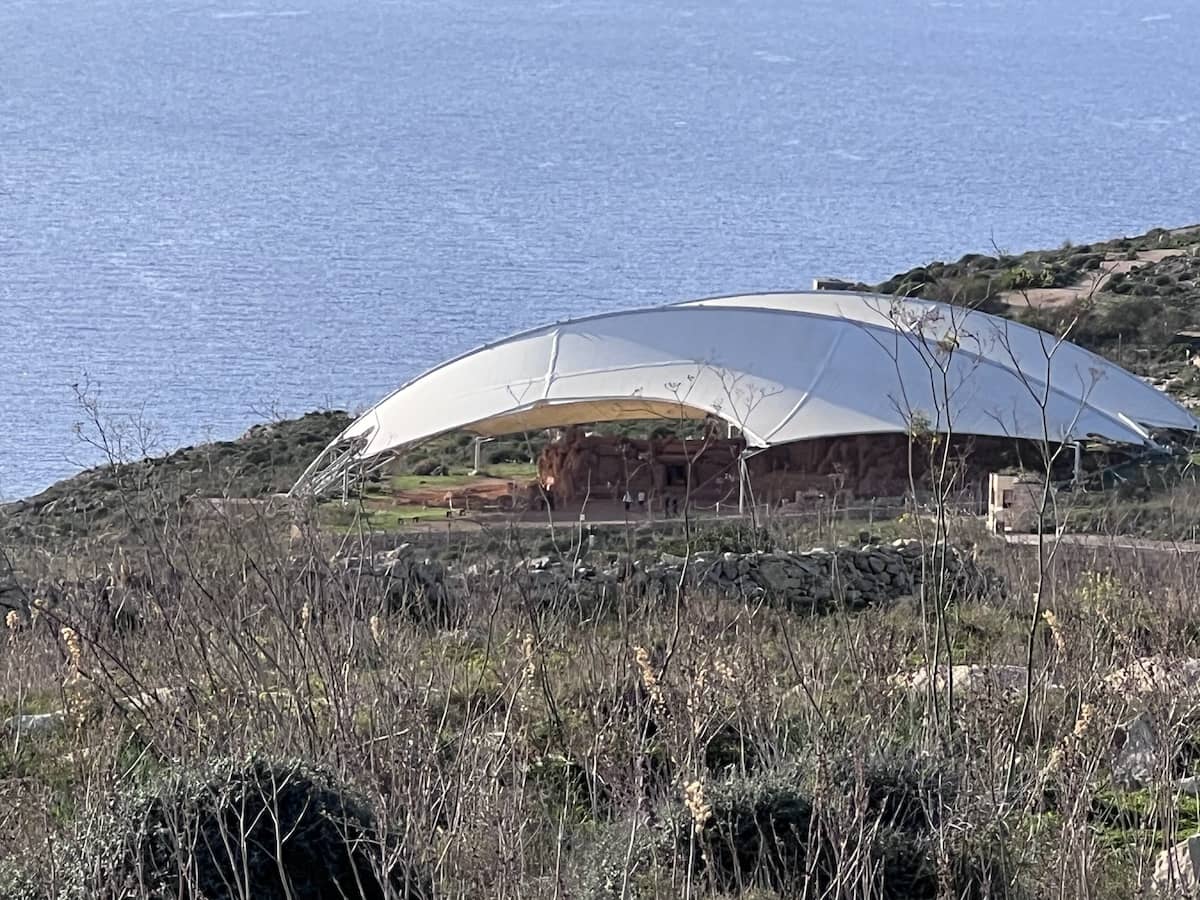
Hagar Qim Temple
The Ħaġar Qim and Mnajdra Archaeological Park is a UNESCO World Heritage site, comprising two of Malta’s most important prehistoric temples. Dating back to around 3600-3200 BC, these ancient stone structures offer insight into Malta’s megalithic culture and are beautifully set against a backdrop of the Mediterranean.
See my 1 day in Gozo guide for tips on this section of the itinerary!
Marsaxlokk and Marsaskala
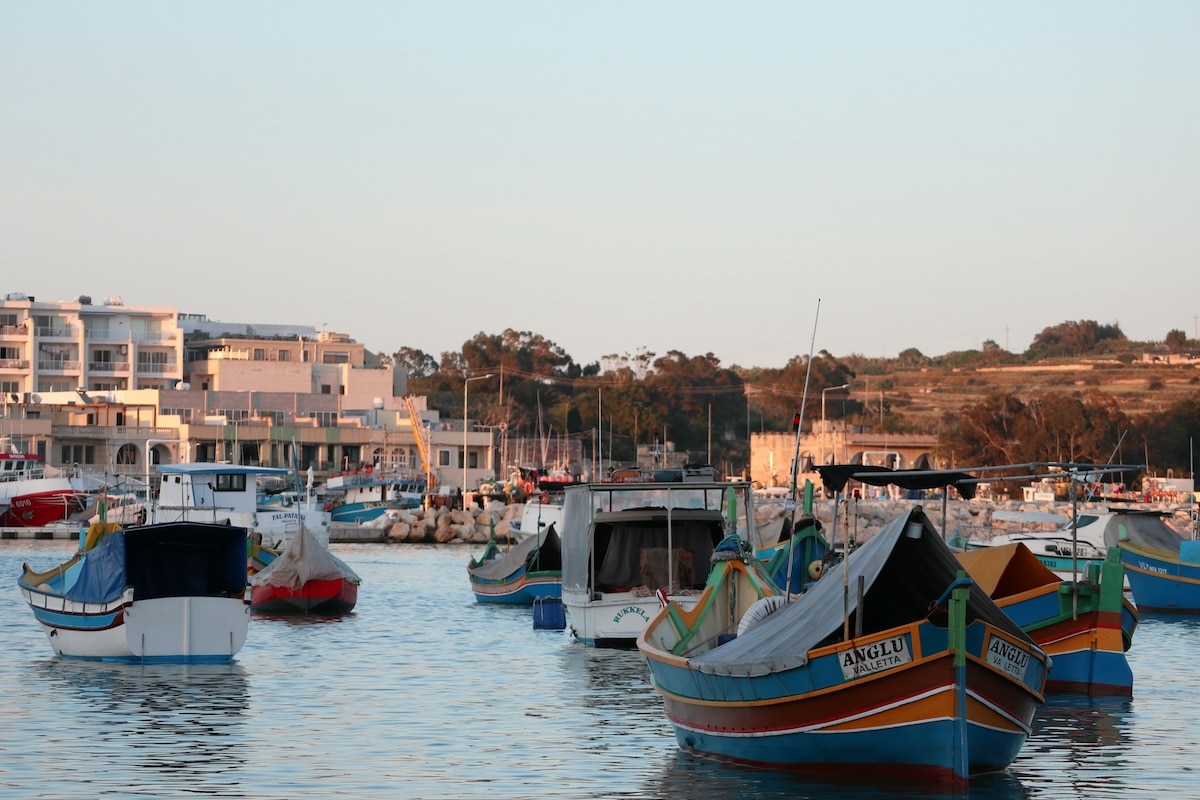
Marsaxlokk is Malta’s most famous fishing village, located on the southeastern coast. The picturesque harbour is filled with Luzzus, the traditional Maltese fishing boats painted in bright colours with the Eye of Osiris on their bows. The village is famous for its Sunday fish market, where fresh seafood is sold alongside local goods.
The waterfront seafood restaurants are a bit over-touristy in my view, and more expensive than I was willing to pay on a recent visit. So we had an ice-cream and wandered instead.
Marsaskala, just north of Marsaxlokk, is a quieter fishing village that has grown into a residential and tourist area. The charming promenade is lined with restaurants, offering great seafood and views of the Marsaskala Bay. The town has historic sites like St. Thomas Tower, a 17th-century watchtower built by the Knights of St. John. It’s a great alternative for those looking for a more relaxed, local atmosphere.
Beach Day or Snorkelling
There are SO many options for a beach day or snorkelling. Many hotels have private beaches assigned to them, but there are plenty of public beaches and snorkelling spots to choose from:
- The Blue Lagoon – The most famous, the Blue Lagoon, is a tourist attraction all year round (even when it is too cold to swim) because of the bright turquoise waters.
- St. Thomas Bay – a popular swimming and snorkelling spot, with easy access from Valletta.
- Golden Bay – A stunning sandy beach on the northwest coast, perfect for sunbathing and beginner snorkellers.
- Mellieħa Bay (Għadira Bay) – Malta’s largest sandy beach, great for families and shallow-water snorkelling.
- Paradise Bay – A small, scenic bay near the Gozo ferry terminal with clear waters and rocky snorkelling areas.
- Għajn Tuffieħa Bay – A quieter, more rugged alternative to Golden Bay, with excellent snorkelling along the rocky edges.
- St. Peter’s Pool – A natural swimming hole near Marsaxlokk with deep, crystal-clear water, ideal for snorkelling and cliff diving.
- Ġnejna Bay – A sandy beach with a mix of golden and red sand, surrounded by cliffs and clear snorkelling waters.
- Anchor Bay – Near Popeye Village, this cove has deep waters and rocky outcrops.
- Qawra Point – A rocky shoreline with excellent snorkelling conditions, home to various marine species.
- Hondoq ir-Rummien (Gozo) – A small, quiet beach with exceptionally clear water and great snorkelling near underwater caves. Kayaking and a boat to the Blue Lagoon are also available.
Relax at Balluta Bay, Mellieha or Mosta
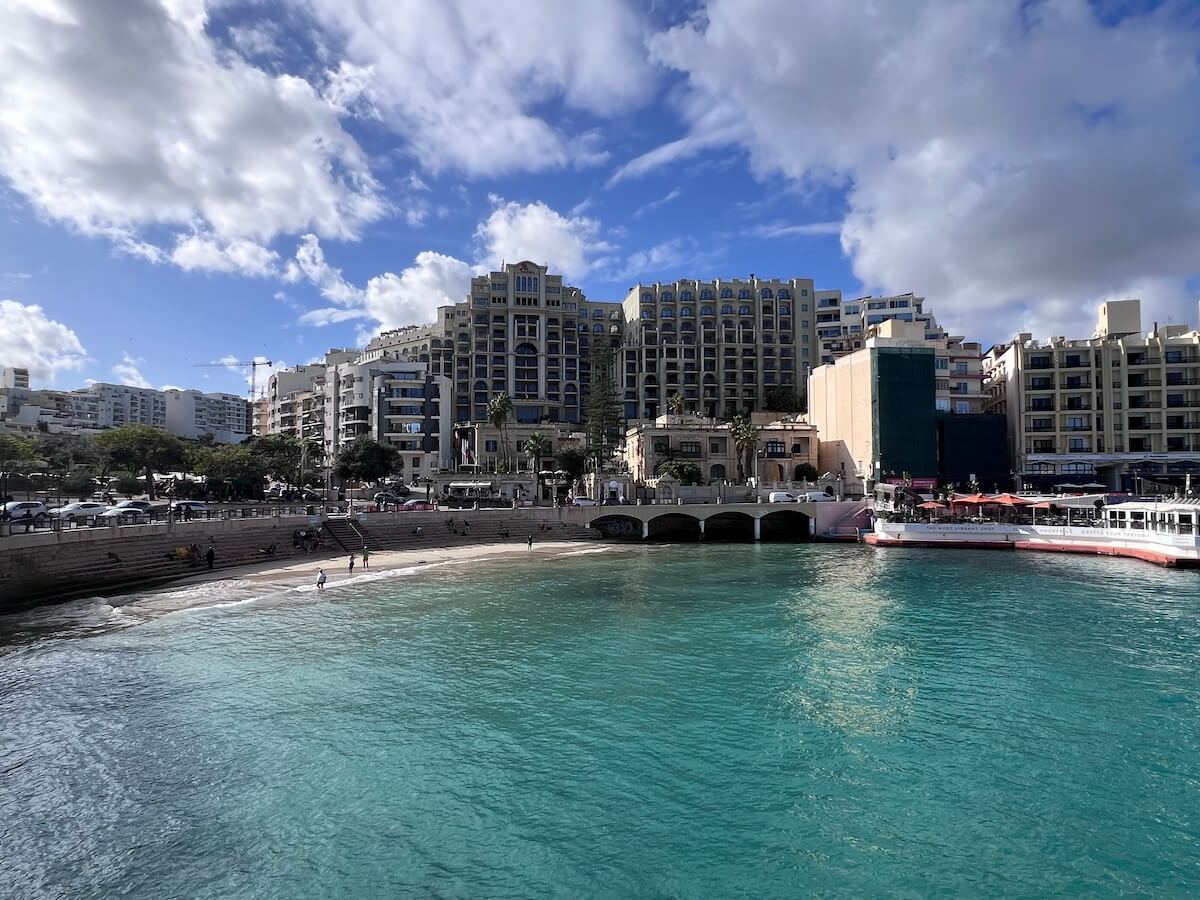
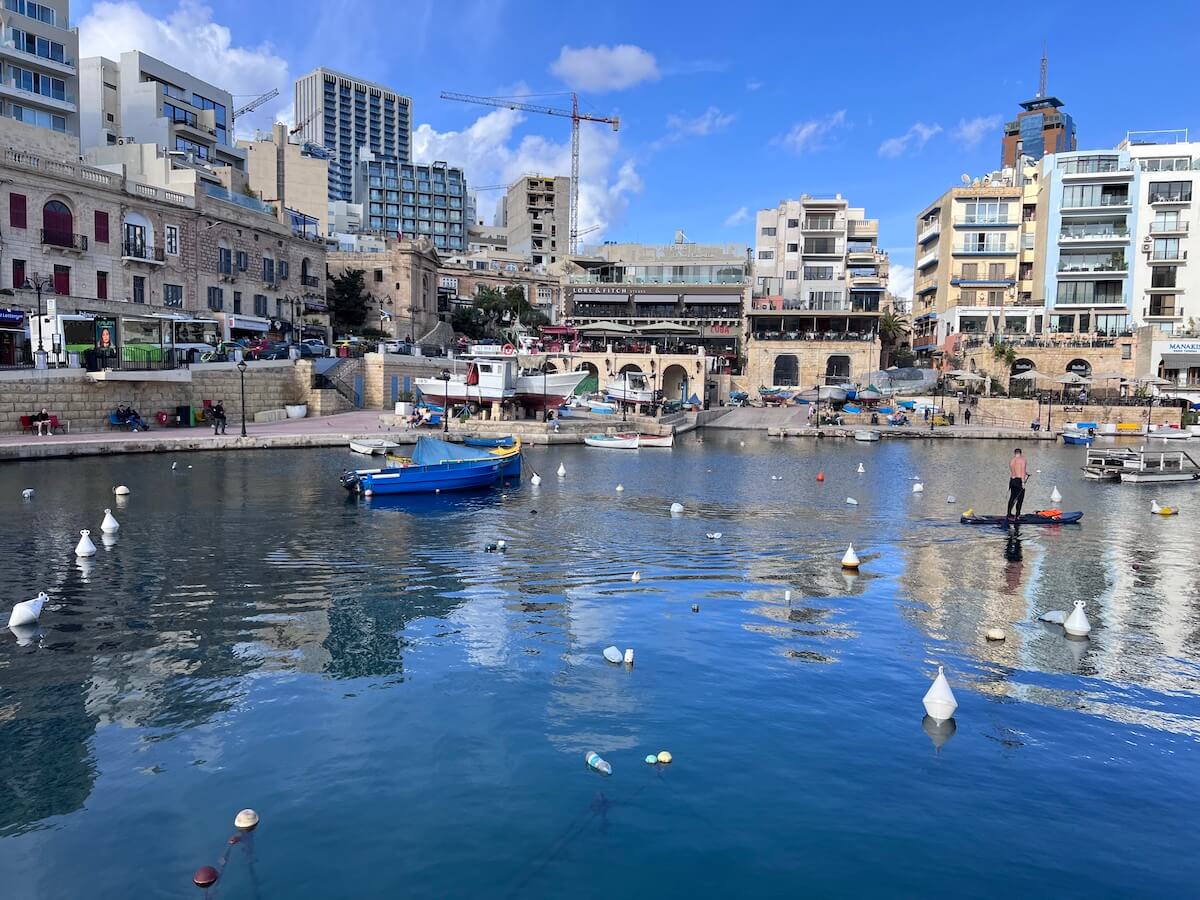
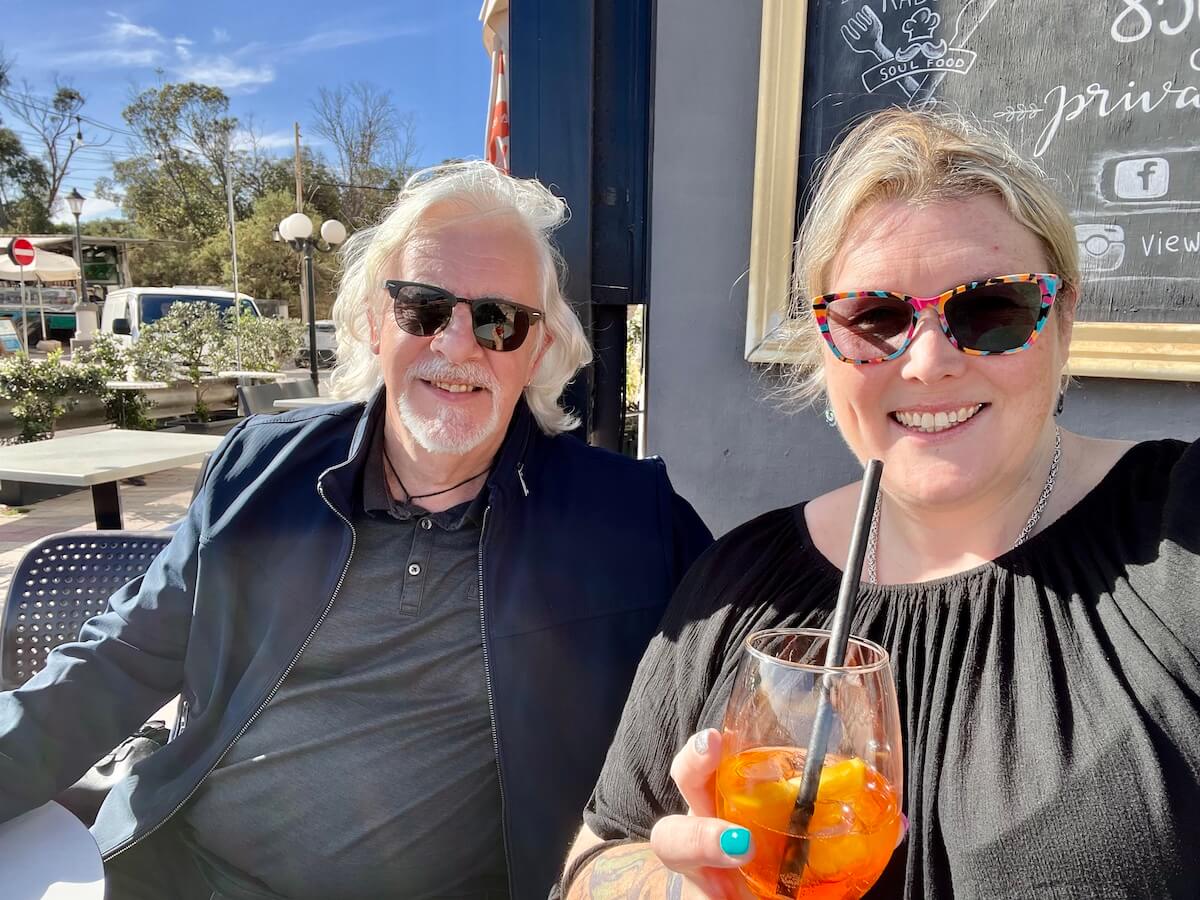
Balluta Bay offers a small sandy beach, perfect for a quick swim or relaxing by the waterfront. The promenade is lined with cafes and restaurants, making it a great spot to unwind with a view of the sea. There are also public baths with loungers, so you can visit if your hotel doesn’t have a pool. We spent a whole day bar hopping from Balluta Bay to Spinola Bay and enjoying all the people-watching opportunities.
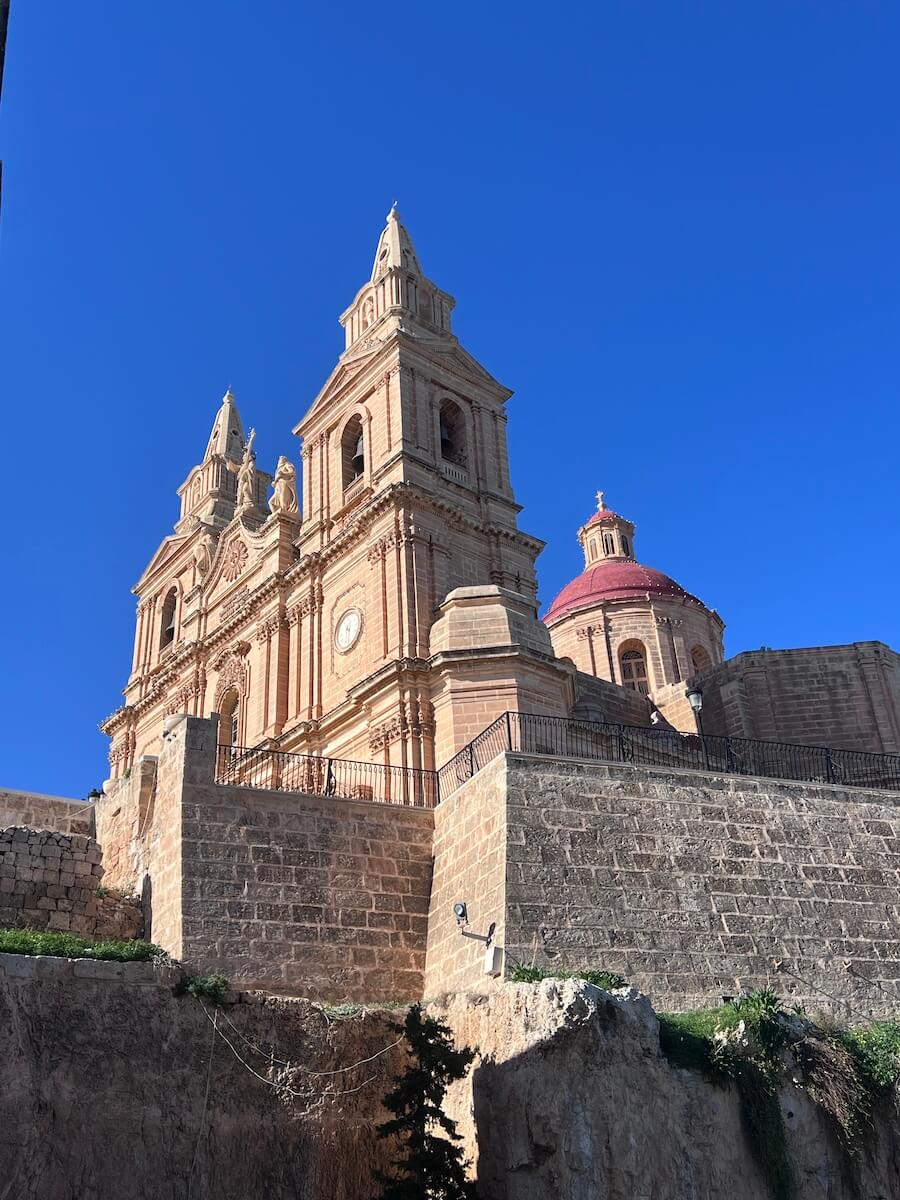
Home to some of Malta’s best beaches, Mellieħa is ideal for a relaxing day at Għadira Bay, or exploring the village itself, which offers charming streets, historic sites, and stunning sea views.
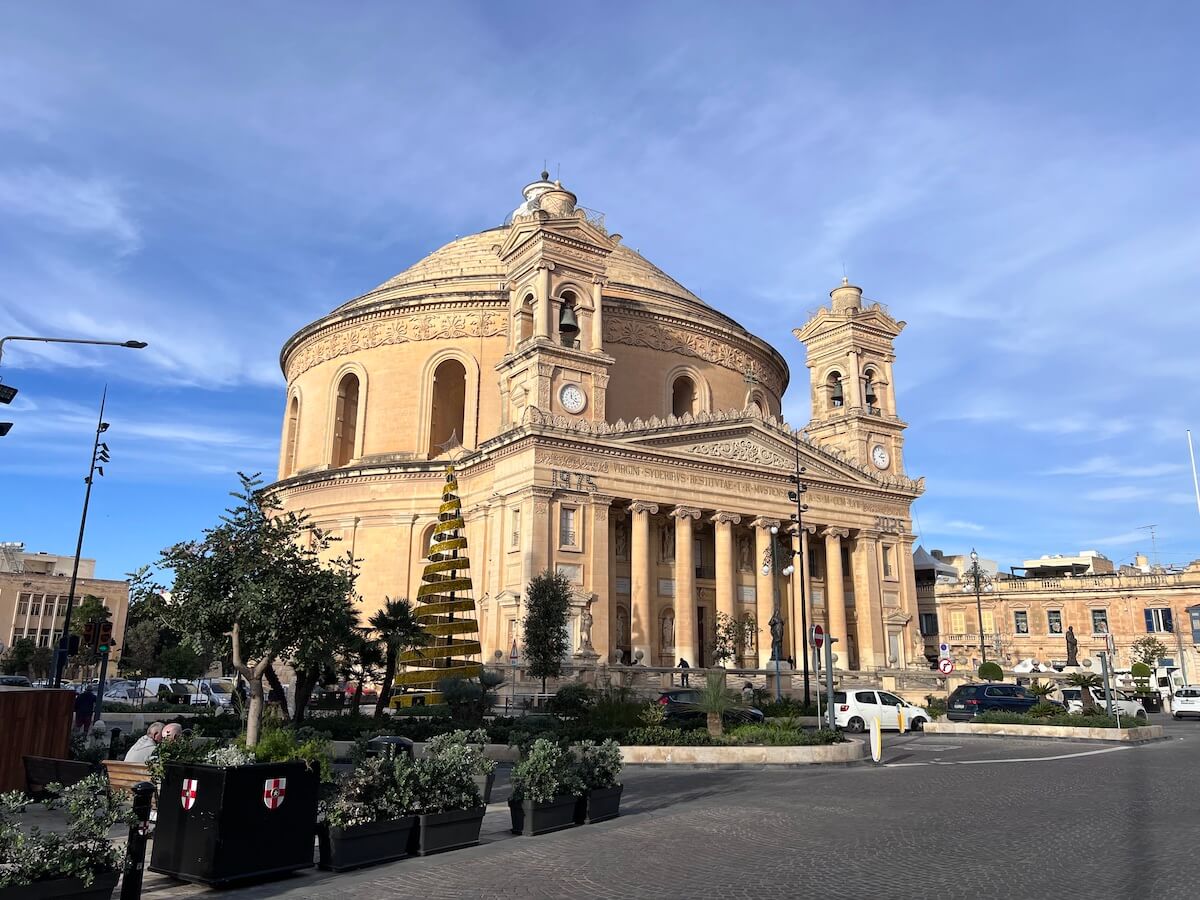
Want a dose of culture? Mosta is a great place to relax and explore local Maltese culture. Visit the impressive Mosta Rotunda, enjoy a coffee in the town square, or take a walk through the quiet streets to experience an authentic slice of Malta away from the busy tourist areas.
If you have more time in Malta
We recently spent 3 weeks in Malta and had a lovely time not doing very much! It is one of those places that is easy to explore if you want to, but also offers loads of amenities for just relaxing – either at cafes, at the beach, or at a resort.
If you have more than one week in Malta, here are some extra things to do:
- Għar Dalam Cave – This prehistoric cave contains Malta’s oldest human remains and fossilized animal bones dating back over 500,000 years.
- Ħal Saflieni Hypogeum – A UNESCO-listed underground necropolis dating back to 4000 BCE, featuring carved chambers and ancient burial sites. This books up WAY in advance, so book ahead or be disappointed (like we were)
- Popeye Village – Originally a film set for the 1980 movie Popeye, this colourful seaside attraction is now a family-friendly theme park.
- Comino – The smallest of the inhabited islands is more than just the Blue Lagoon!
- Around the coast boat trip – Exploring Malta’s coastline by boat reveals hidden caves, dramatic cliffs, and breathtaking bays best seen from the water.

Spending a week in Malta
Malta has taken the best bits from being occupied and formed them into a unique mix of great food, history, and atmosphere. There are plenty of opportunities for a relaxing resort holiday, but also for a culturally enriching holiday, full of day trips. Perfect for some winter sun, Malta has something for every holiday-seeker. I was impressed with the preservation of history, and of the melding of many influences in modern Malta.
A few things to be aware of:
- The traffic is crazy – tiny streets, lots of cars, and only some modernised ring roads, driving in Malta isn’t for the faint of heart.
- There is a LOT of construction happening in Malta. I’ve never seen so many cranes – construction is part of the view in almost every part of the island.
- Malta has two official languages: Maltese and English. Maltese, derived from Arabic with Italian and Sicilian influences, is the national language, while English is widely spoken due to British colonial rule. Italian is also widely spoken.
- Throughout history, Malta has been ruled or invaded by various powers, including: the Knights of St. John (1530-1798) – Transformed Malta into a fortified stronghold. The French (1798-1800) – Napoleon briefly occupied Malta before being ousted. The British (1800-1964) – Malta gained independence in 1964. Other historical influences include the Romans, Byzantines, Arabs, Normans, and Spanish before the Knights of St. John took control. Pay attention to how this has shaped this tiny island nation!
If you have 2 weeks in Malta?
- Extend your time in Gozo to 4-5 nights, and really dive deeper into the smaller villages
- Consider doing 3 x 4-5 night stays in different areas – 4 nights in Valletta or Balluta Bay, 4 nights in Bugibba at a resort, and 4 nights on Gozo
- Have more down days – Malta is a great place to relax!
- Enjoy the challenge of eating all the pastizzi (small savoury pastries) – there are so many flavours!
Planning a trip to Europe? Combine a trip to Malta with some time in Naples Italy!
All photos & content © Hannah Henderson and may not be used without permission (sharing this blog post is fine, though!). Images shot with a Canon DSLR T3i Rebel + Canon EF-S 18-135mm f/3.5-5.6 IS STM; and an iPhone.


Thanks for this guide and the great photos, Malta has been on my bucket list for a while…
Barrakka Gardens looks like such a perfect mix of history and beauty, and omg those canons! Saving this for future reference 🙂
Malta sounds incredible. I would love to go and visit one day. Thanks for providing such a comprehensive travel guide.
A video online went viral about Malta not long ago, and that was the first time I ever heard of the place. I feel like this place is often a forgotten piece of Europe!
Malta has been on my list for some while, mostly due to its location and photos of the water. But I had no idea what there was to do there, so this was great for my future trip. Also, that photo of the cannon is nuts!