Visiting the UNESCO World Heritage sites of France is always a treat. From ornate cathedrals, to ancient roman ruins and natural sites of wonder – France has a beautiful spread of heritage to enjoy. This 3-4 week road trip guide starts in Paris, and spirals its way out to each corner of the country, to take in all 49 of the UNESCO World Heritage sites in mainland France (53 in total as of 2025), alongside many other wonderful features.
- UNESCO World Heritage Sites in Mainland France
- Paris and Day Trips
- Paris, Banks of the Seine
- The Architectural Work of Le Corbusier, an Outstanding Contribution to the Modern Movement – Various Sites
- Palace of Versailles
- Reims – Champagne Hillsides, Houses and Cellars, Cathedral of Notre-Dame, Palais du Tau & Former Abbey of Saint-Rémi
- Provins, Town of Medieval Fairs
- Chartres Cathedral
- Palace and Park of Fontainebleau
- North-east France UNESCO Road Trip
- Vézelay Abbey
- Fontenay Abbey
- The Climates, terroirs of Burgundy
- Saline Royale d'Arc-et-Senans
- Fortifications of Vauban (Citadelle de Besançon)
- Ancient and Primeval Beech Forests of the Carpathians and Other Regions of Europe – La Réserve Naturelle du Massif
- The Architectural Work of Le Corbusier – Notre Dame du Haut
- Strasbourg – From the Grande Île to the Neustadt
- Nancy – Place Stanislas, Place de la Carrière, and Place d'Alliance
- North-West France UNESCO Road Trip
- West of France UNESCO Road Trip
- South of France UNESCO Road Trip
- Carcassonne
- Canal du Midi
- Episcopal City of Albi
- The Causses and the Cévennes, Mediterranean agro-pastoral Cultural Landscape
- Decorated Cave of Pont d’Arc, known as Grotte Chauvet-Pont d’Arc, Ardèche
- Roman Theatre and the Triumphal Arch of Orange
- Historical centre of Avignon: Papal Palace, Episcopal Ensemble and Avignon Bridge
- Pont du Gard (Roman Aqueduct)
- The Maison Carrée of Nîmes
- Arles, Roman and Romanesque Monuments
- Ancient and Primeval Beech Forests of the Carpathians and Other Regions of Europe – Chapitre
- Nice, Winter Resort Town of the Riviera
- East & Central France UNESCO Road Trip
- Visiting the UNESCO World Heritage Sites of France
UNESCO World Heritage Sites in Mainland France
Understandably, a road trip of ALL the UNESCO World Heritage sites in France is huge! If this mega road trip is too much in one go, then you can easily split it up into sections:
- Paris and day trips
- A north east loop
- A north west loop
- A west coast north to south trip
- A Mediterranean adventure
Or you could weave a couple of routes together to maximise coverage.
I have also included the lines of the Diagonale du Vide, which shows where this road trip intersects with an area of reduced population in France. My post on this swathe of France provides a detailed list of places to visit in this area, if you want a glimpse into life in small-town France.

Paris and Day Trips
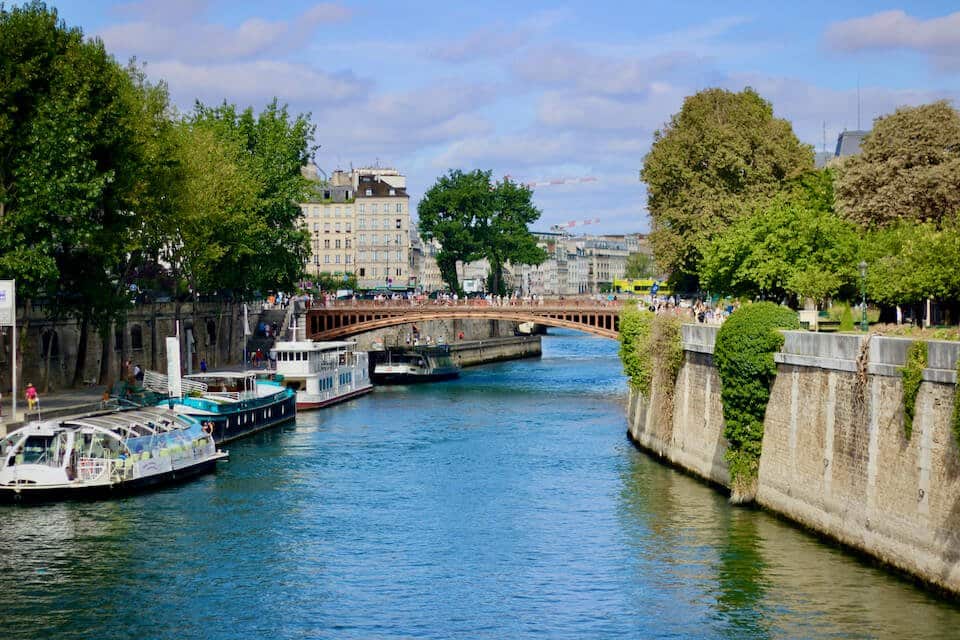
Paris, Banks of the Seine
The banks of the Seine river in Paris are a mix of grand boulevards and gorgeous bouquinistes (antique booksellers). Playing an important role in commerce and the economy for centuries, the city around the river has layers of history and ‘Outstanding Universal Value’ as UNESCO requires.
From a tranquil visit to Sainte-Chapelle in the heart of the Conciergerie to sitting in a café on the Left Bank, watching the world go by, it is the beating heart of Paris. Wandering along the banks of the Seine is a great thing to do to get your bearings on a first visit to Paris.
The Architectural Work of Le Corbusier, an Outstanding Contribution to the Modern Movement – Various Sites
Le Corbusier was a pioneering Swiss-French architect, urban planner, and designer. His designs emphasised functionality, simplicity, and the use of concrete, and his urban planning philosophies had far-reaching impact on modern architecture.
Le Corbusier’s real name was Charles-Édouard Jeanneret-Gris, and his UNESCO World Heritage buildings are located across seven countries on three continents. Ten of these heritage buildings are in France, and 4 are in or near Paris, where he lived for many years.
- Maison La Roche, 8-10 Sq. du Dr Blanche, 75016 Paris – now the Le Corbusier Foundation museum and archives
- Le Corbusier studio apartment, 24 Rue Nungesser et Coli, 75016 Paris
- Rental Buildings at Porte Molitor, Rue des Michets Petray, 92800 Puteaux
- Villa Savoye, 82 Rue de Villiers, 78300 Poissy
Palace of Versailles
The lavish 17th century palace of King Louis XIV
A symbol of absolute monarchy and over-the-top opulence, the Palace of Versailles is an essential stop on any trip to France. With its lavish Hall of Mirrors, sprawling gardens designed by André Le Nôtre, and elements of the lavish life of Louis XIV and Marie Antoinette, it’s a place that truly embodies the grandeur of French heritage.
Don’t forget to book your ticket to Versailles in advance— it is one of the most popular day trips from Paris.


Reims – Champagne Hillsides, Houses and Cellars, Cathedral of Notre-Dame, Palais du Tau & Former Abbey of Saint-Rémi
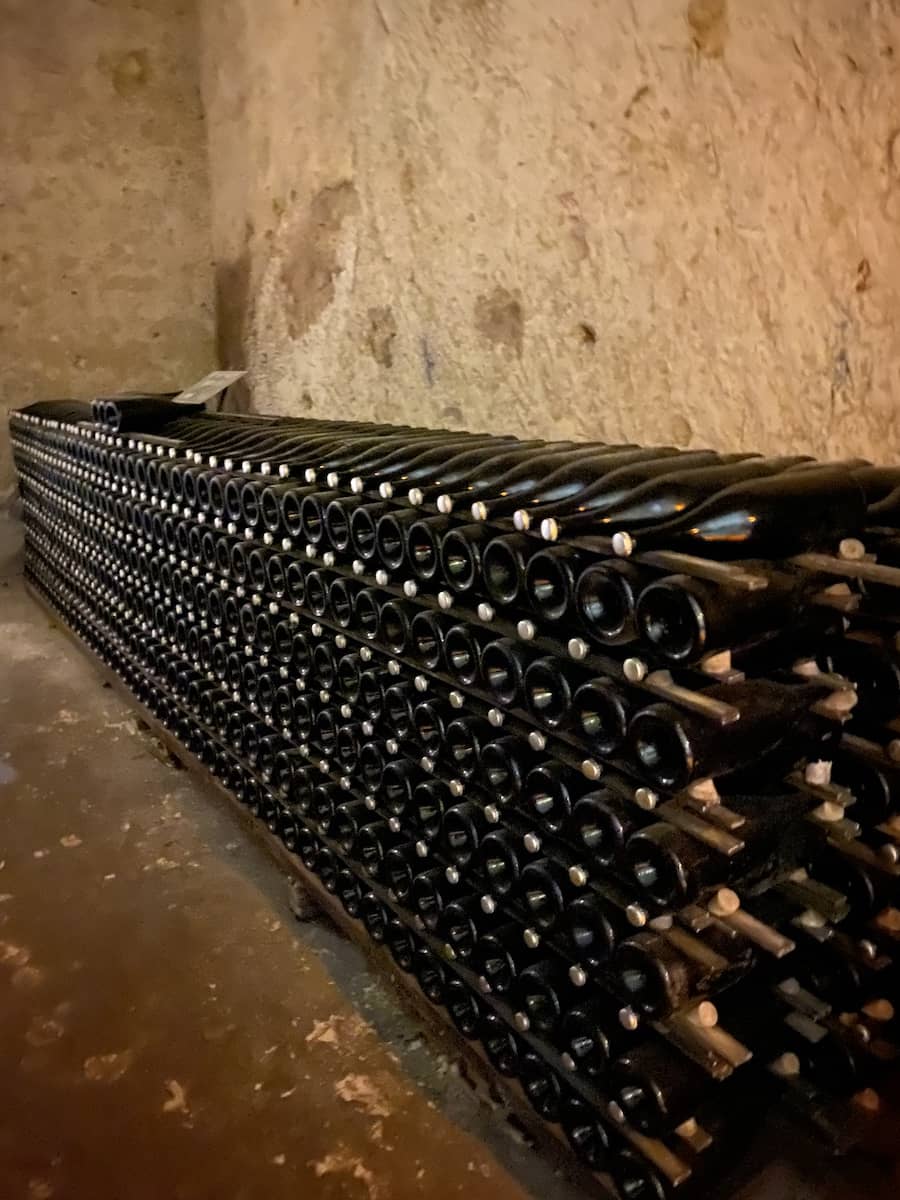
Reims is the beating heart of France’s Champagne region, where rolling vineyards, historic cellars, and centuries-old traditions make it a UNESCO-listed gem. The Gothic splendour of Reims Cathedral, where French kings were once crowned, towers over the city. The Palais du Tau and Abbey of Saint-Rémi offer a deeper dive into the region’s royal and religious past.
Of course, no visit is complete without sampling a glass (or two) of world-class Champagne from one of the legendary houses that call this city home. An easy train ride from Paris, Reims has something for both history and wine-lovers. Over the years, I’ve also found it to be an incredible foodie destination too.


Provins, Town of Medieval Fairs
You will step back in time in Provins. This remarkably well-preserved medieval town that once thrived as a hub for international trade fairs. It is surrounded by imposing ramparts, and its cobbled streets lead to half-timbered houses, underground tunnels, and the imposing fortified towers.
Time your visit right, and you can catch a medieval reenactment or falconry show, bringing history to life. It’s an easy day trip from Paris and a great way to experience France’s medieval past without the crowds of bigger cities.
Chartres Cathedral
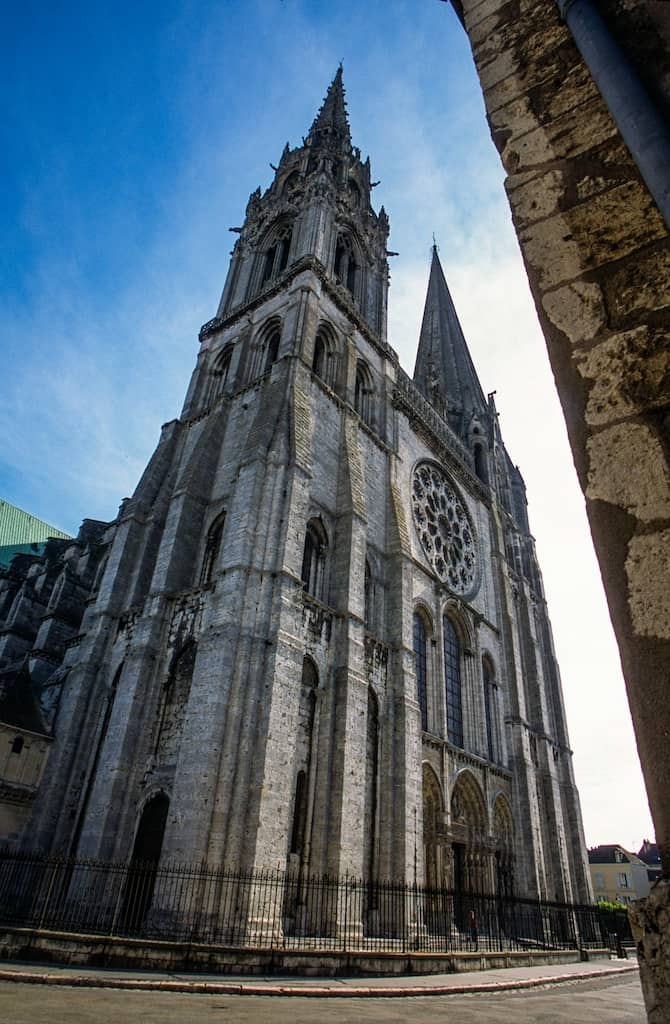
A masterpiece of Gothic architecture, Chartres Cathedral has the most incredible stained-glass windows, many of which date back to the 12th and 13th centuries. The intricate stone carvings and impressive flying buttresses make it a must-visit for architecture lovers. It is home to the Sancta Camisia, said to be the Virgin Mary’s veil, which draws pilgrims from around the world.
Palace and Park of Fontainebleau
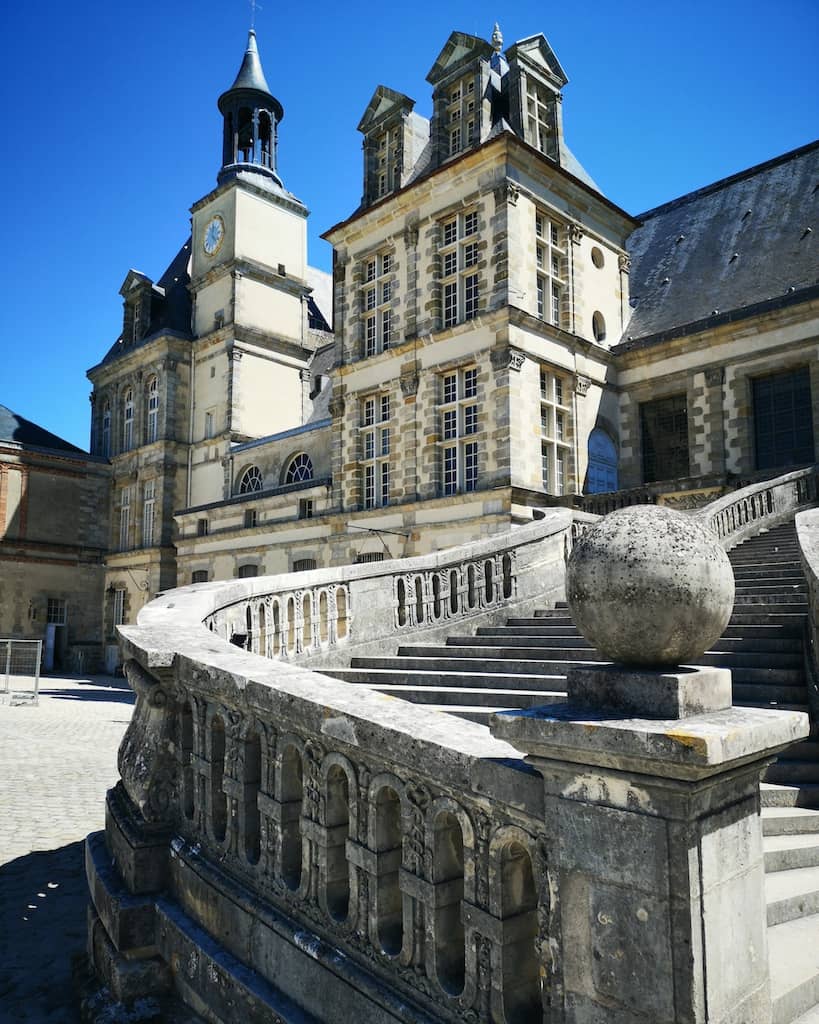
Fontainebleau is every bit as grand as Versailles, but slightly less crowded! This sprawling château was home to French royalty for centuries, from medieval kings to Napoleon, who famously abdicated here.
The interiors are a feast for the eyes, with Renaissance frescoes, gilded rooms, and the exquisite throne of Napoleon himself. The surrounding forest is also worth exploring, offering a perfect blend of nature and history.
While it is an easy day trip from Paris, you can also take a tour from Paris and enjoy being driven around!

North-east France UNESCO Road Trip
This north-east loop starts by heading south-east of Paris, past Fontainebleau (if you weren’t able to visit as a day trip from Paris), and continues on through Burgundy.
You will then arch up through the Alsace to Strasbourg, before heading west to Nancy. At this point, you can either head to Reims (if missed as a day trip from Paris), or carry on along the north of France to connect to the the north-west loop of this road trip.
Vézelay Abbey
In Burgundy, Vézelay Abbey is one of France’s most important pilgrimage sites, once marking the starting point for the Way of St. James to Santiago de Compostela. Its grand Romanesque architecture and beautifully sculpted tympanum are stunning.
The surrounding village is the kind of postcard-perfect French countryside dream with winding lanes, charming stone houses, and stunning vineyard views. A special place indeed.
Fontenay Abbey
Fontenay Abbey is one of the best-preserved Cistercian monasteries in Europe. Founded in 1118, it exudes a sense of simplicity and serenity, with its elegant cloisters, austere stone church, and peaceful gardens.
Unlike many other religious sites that have been heavily modified over the centuries, Fontenay retains its original medieval character, making it a fascinating glimpse into monastic life from nearly a thousand years ago.
The Climates, terroirs of Burgundy
When an area of wine growing is noted as a UNESCO site, you know it’s special. These small vineyard plots, each with its own grape-growing personality, have been carefully cultivated for over a thousand years. The result? A patchwork of wine-growing perfection that has turned this part of France into sacred ground for oenophiles.
Our favourite place in the Burgundy area is gorgeous town of Beaune. Mainly because it combines delightful wine tastings with amazing architecture (Hospices de Beaune) and history. Take a bike tour of vineyards and combine sightseeing with wine tastings!
Saline Royale d’Arc-et-Senans
This might be the most architecturally ambitious salt factory you’ll ever see. Designed in the 18th century by Claude-Nicolas Ledoux (who clearly didn’t believe in doing anything halfway), the Royal Saltworks is part Enlightenment dream, part industrial utopia.
It’s all sweeping symmetry, classical columns, and big ideas about work and society, from back when salt was basically white gold. Today it’s more about design than production, but still a fascinating stop for fans of architecture, history, or anyone into the surprisingly glamorous side of salt.

Fortifications of Vauban (Citadelle de Besançon)
Military architecture doesn’t usually scream ‘must-see,’ but Vauban’s work is different. His 17th-century star-shaped fortresses are so good they made him Louis XIV’s favourite fort-builder, and earned a spot on the UNESCO list. The citadel at Besançon is one of the best examples: part fortress, part panoramic lookout, part zoo (yes, really).
The views over the Doubs River are worth the climb, and the sheer scale is beyond belief. Taking a walking tour of Bescançon to learn more about the history of the town.
Ancient and Primeval Beech Forests of the Carpathians and Other Regions of Europe – La Réserve Naturelle du Massif
These beech forests have been doing their thing since the last Ice Age, slowly spreading across Europe and thriving without much human interference.
In the French stretch, deep in the Vosges Mountains, it’s all moss, silence, and a sense that the forest might be watching you back. There’s not a lot of flash here—just ancient trees quietly proving that survival is the ultimate flex.
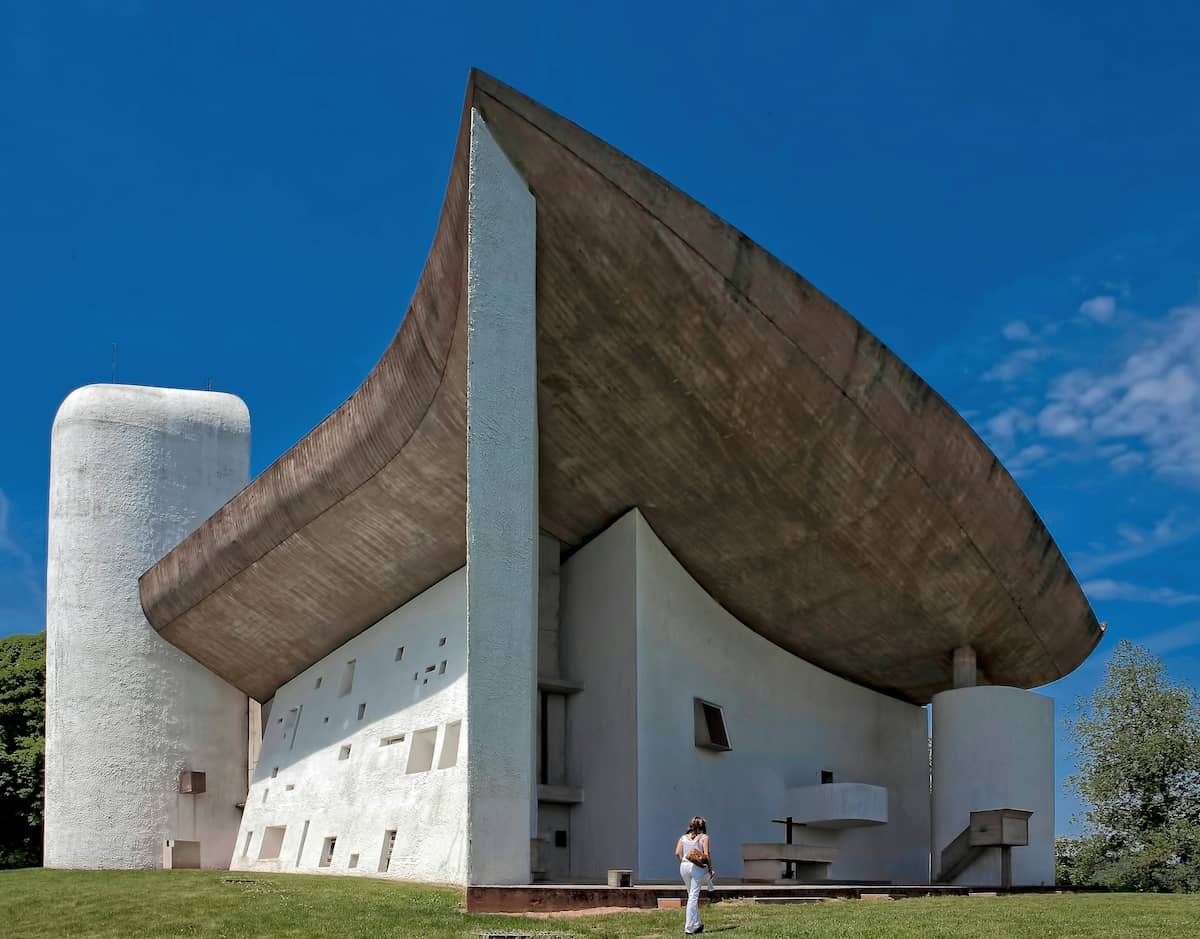
The Architectural Work of Le Corbusier – Notre Dame du Haut
Le Corbusier’s hilltop chapel at Ronchamp is what happens when modernist architecture gets spiritual. Curves where you’d expect corners, thick walls that somehow feel light, and windows that let in just enough magic.
Notre Dame du Haut is less about religious grandeur and more about space, light, and silence. It’s also completely unlike any church you’ve seen before, which is exactly the point. Le Corbusier wasn’t interested in blending in. If you’ve enjoyed his examples in Paris, make sure you stop at Notre Dame du Haut on this north-eastern road trip.
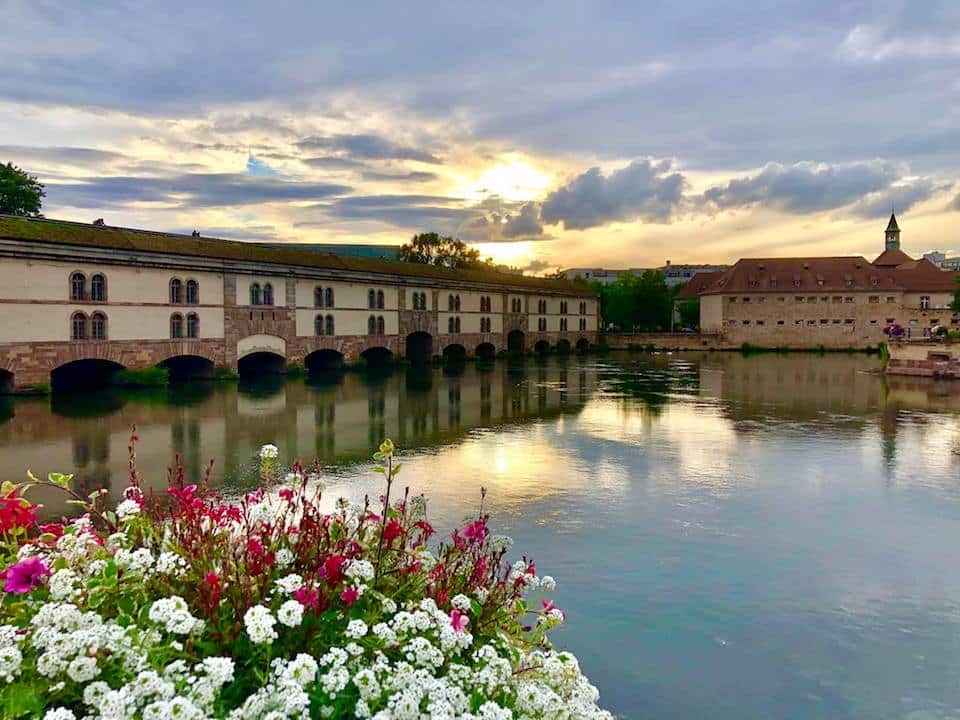
Strasbourg – From the Grande Île to the Neustadt
Strasbourg is one of my favourite cities in France. Aside from the absolutely stunning architecture, there’s a sense of modernism and dynamism in the city.
The Grande Île is full of medieval charm, winding canals, and a cathedral that’ll give you neck cramp from staring up too long. Cross into the Neustadt and you’re in a planned-out showcase of 19th-century German ambition. Together, they tell a story of back-and-forth rule, architectural evolution, and a city that’s gotten very good at reinventing itself while keeping the best bits intact.
Strasbourg is a very walkable city, and also has a good tram network.
Nancy – Place Stanislas, Place de la Carrière, and Place d’Alliance
If you like your public squares served with a side of gold leaf, Nancy’s Place Stanislas delivers. This trio of interconnected spaces is an 18th-century masterclass in urban planning, with fountains, wrought-iron gates, and enough baroque flair to make your Instagram blush.
A Polish king-in-exile (the last Duke of Lorraine, Stanisław Leszczyński / Francis III Stephen), helped design the squares of Nancy. Today it’s where locals gather, tourists swoon, and everything is dripping in gold.
We stayed in Nancy for the night on our way to a weekend in the Alsace, and were super impressed by the renewed canal and marina area, as well as the main squares. All that gold is quite the sight to behold!


If you didn’t get a chance to do a day trip to Reims from Paris, visit the Champagne region next!
North-West France UNESCO Road Trip
This north-west France road trip is a really great option for those who don’t have a lot of time, but want to cover a lot of interesting UNESCO sites.
From the Amiens Cathedral, to the World War II sites in northern France (and into Belgium if you want), and out to the coastline, this route offers a variety of destinations.
Ending at the most photographed spot in France – Mont Saint Michel, this section of the road trip can loop back to Paris with ease, if you don’t have time to keep exploring.
Amiens Cathedral
Amiens Cathedral is France’s largest Gothic cathedral, built between 1220 to 1288. Built in just over 50 years (which is basically warp speed for medieval churches), it has gargoyle statues, flying buttresses, and a special kind of architectural ambition.
Don’t miss the light shows displayed on the outside of the cathedral in summer (and often Christmas too) – they are magical!
Take a walking tour of Amiens to learn more about the history of the town.
Funerary and memory sites of the First World War (Western Front)
You don’t need to be a history buff to feel the weight of this landscape. Scattered across northern France, these cemeteries, memorials, and preserved battlefields stretch across the old Western Front, quietly marking the scars of a war that redefined the 20th century.
From the endless rows of white headstones at Thiepval to the haunting craters at Vimy Ridge, these sites aren’t about glorifying war—they’re about remembering its cost. Thought-provoking, sobering, and more powerful than any history textbook.
Nord-Pas de Calais Mining Basin
Once the industrial heart of northern France, this mining region is now a living archive of working-class grit and architectural legacy. The slag heaps now double as hiking spots, and the rows of red-brick miner housing have their own charm.
Similar to the mining towns of Lancashire and Wales, it’s part industrial heritage and part social history. Not the prettiest UNESCO site, but probably one of the most human.

Belfries of Belgium and France – Belfries of Bergues and Gravelines
Belfries weren’t just fancy clock towers, they were exclamations of power made in stone. The ones in Bergues and Gravelines are part of a wider network stretching into Belgium, and they’re all about local pride, watchful eyes, and the odd dramatic bell toll.
Whether you’re climbing them or just admiring from the café below, the belfries of Bergues and Gravelines are a delight to visit.
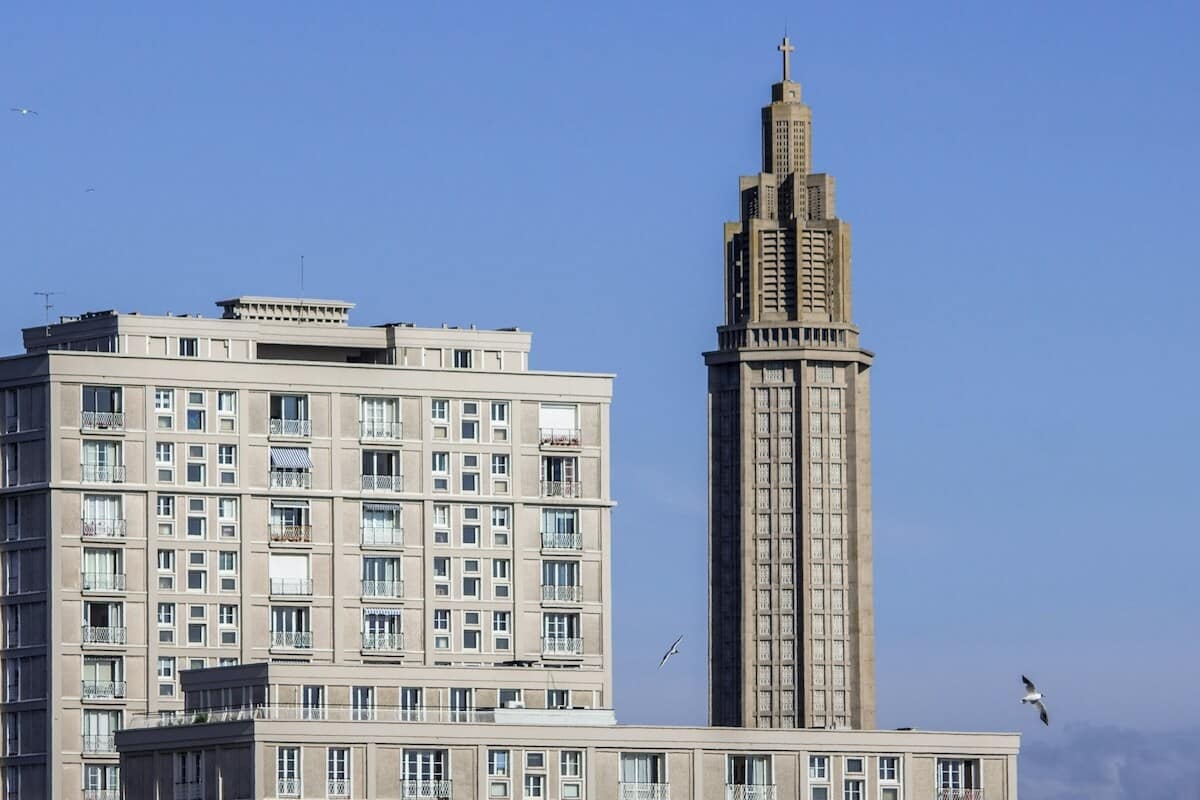
Le Havre, the City Rebuilt by Auguste Perret
Le Havre is the comeback kid of post-war France. Bombed into oblivion in WWII, it was rebuilt almost entirely by architect Auguste Perret, who basically turned concrete into a design language. The result? A city that’s more mid-century modernist manifesto than quaint French port.
Some love it, some don’t, but it’s hard to deny the vision behind the symmetry, the spaciousness, and that towering church (Église Saint-Joseph) that looks like a cross between a rocket launch pad and a lighthouse! Don’t miss a visit to some of the distilleries in Le Havre while you are there.
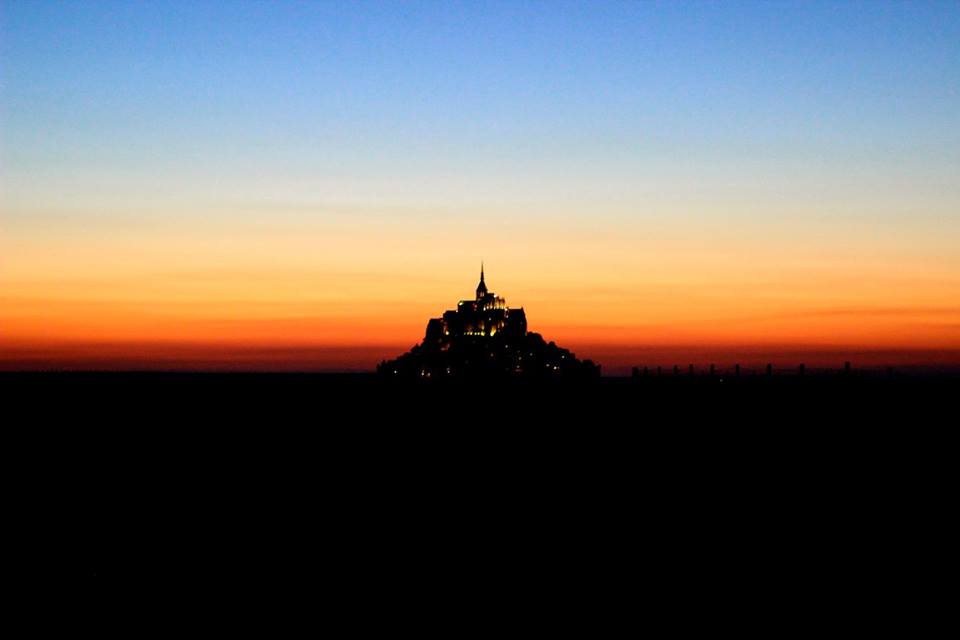
Mont Saint-Michel
Make your way down the coast (stopping at the Normandy beaches and the Bayeux Tapestry), to Mont Saint-Michel. Rising out of the tidal waters of the Mont Saint-Michel Bay, it is one of the most jaw-dropping silhouettes in Europe. At high tide, it is an island, and at low tide, the treacherous quick sand is a trap for those unprepared.
There is a causeway and bridge, where you can take a shuttle bus, maringotte carriage or simply walk. The magical combination of natural tidal island and medieval monastery is simply captivating. See more in my dedicated guide to visiting Mont Saint-Michel.


West of France UNESCO Road Trip
This western France UNESCO road trip offers something a little different from the Atlantic coast route previously published.
Taking you from Mont Saint-Michel, through the Loire, and down into the south-west super-region of Nouvelle-Aquitaine.
This is my ‘neighbourhood’ in France, so it definitely includes some of my favourite areas and UNESCO sites.
Profitez (enjoy)!
The Loire Valley between Sully-sur-Loire and Chalonnes
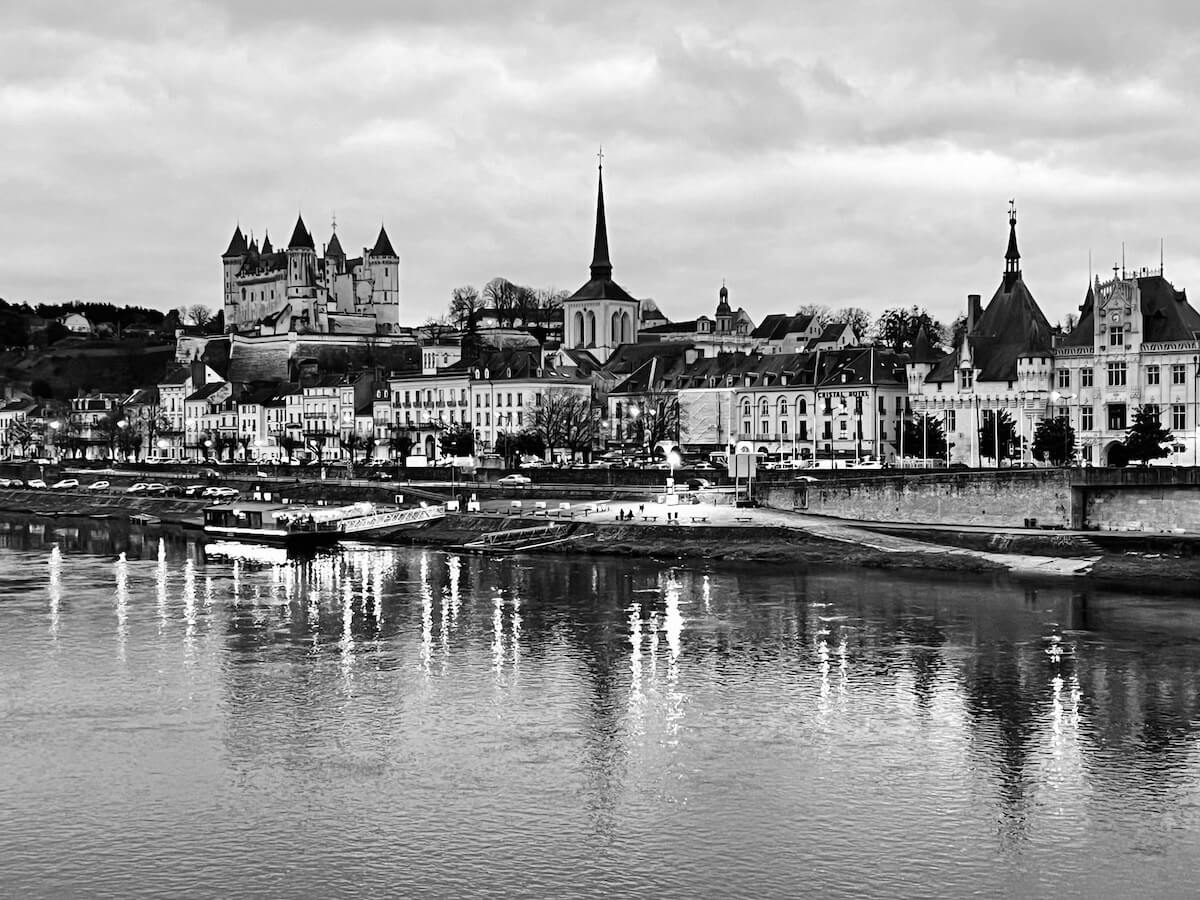
The Loire Valley is like a highlight reel of French aristocratic ambition: turreted castles, landscaped gardens, and the occasional moat for good measure. But it’s not just eye candy—it’s also a showcase of how the Renaissance changed architecture, art, and even wine culture in France.
Taking in some of my absolute favourite weekender locations (Tours, Montsoreau, Saumur and the Savennières wine appellation). Whether you’re into royal drama, riverside picnics, hot air ballon rides, or endless wine tastings, this stretch of UNESCO heritage has range.
Plus, it’s hard to beat a wine tasting with a turret view!
Abbey of Saint-Savin
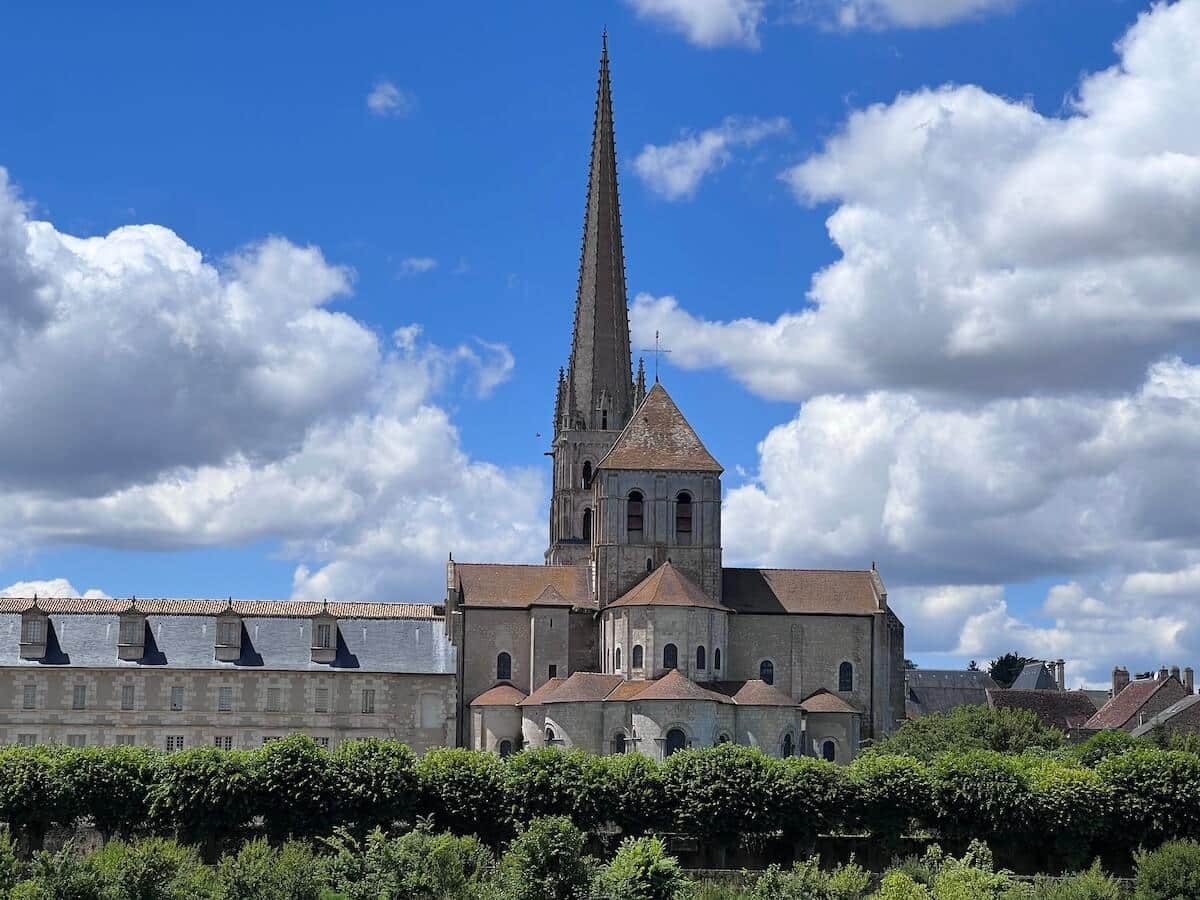
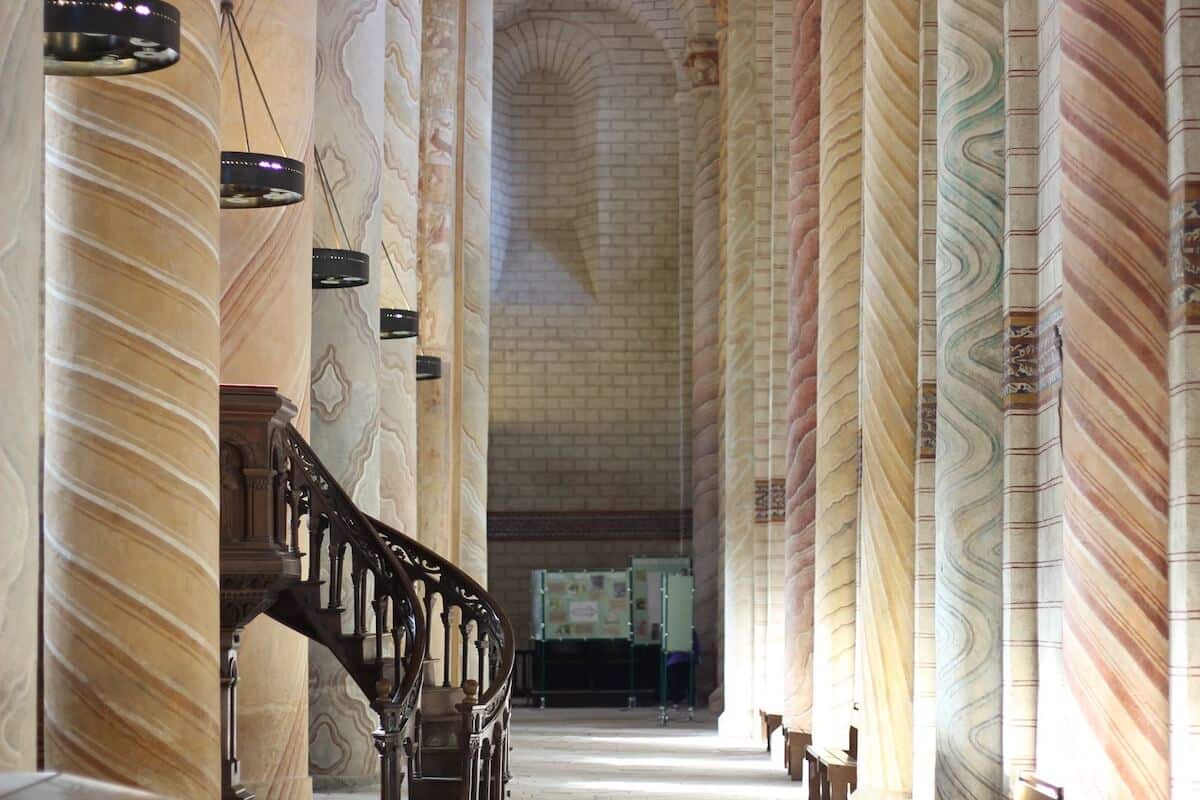
The Abbey of Saint-Savin is a gorgeous Romanesque building, and has been dubbed ‘the Sistine Chapel of the Middle Ages’. It may not have the crowds of the Vatican, but there is a reason it is a UNESCO world heritage site.
The ceiling fresco stretches the entire nave, and is filled with vivid 11th-century biblical scenes. And the pillars are decorated in entrancing patterns. These features are what make the abbey exceptional, and I cannot recommend it more highly.
Stop by Montmorillon, the ‘city of writing and book crafts,’ while you’re in the area.
Prehistoric Sites and Decorated Caves of the Vézère Valley
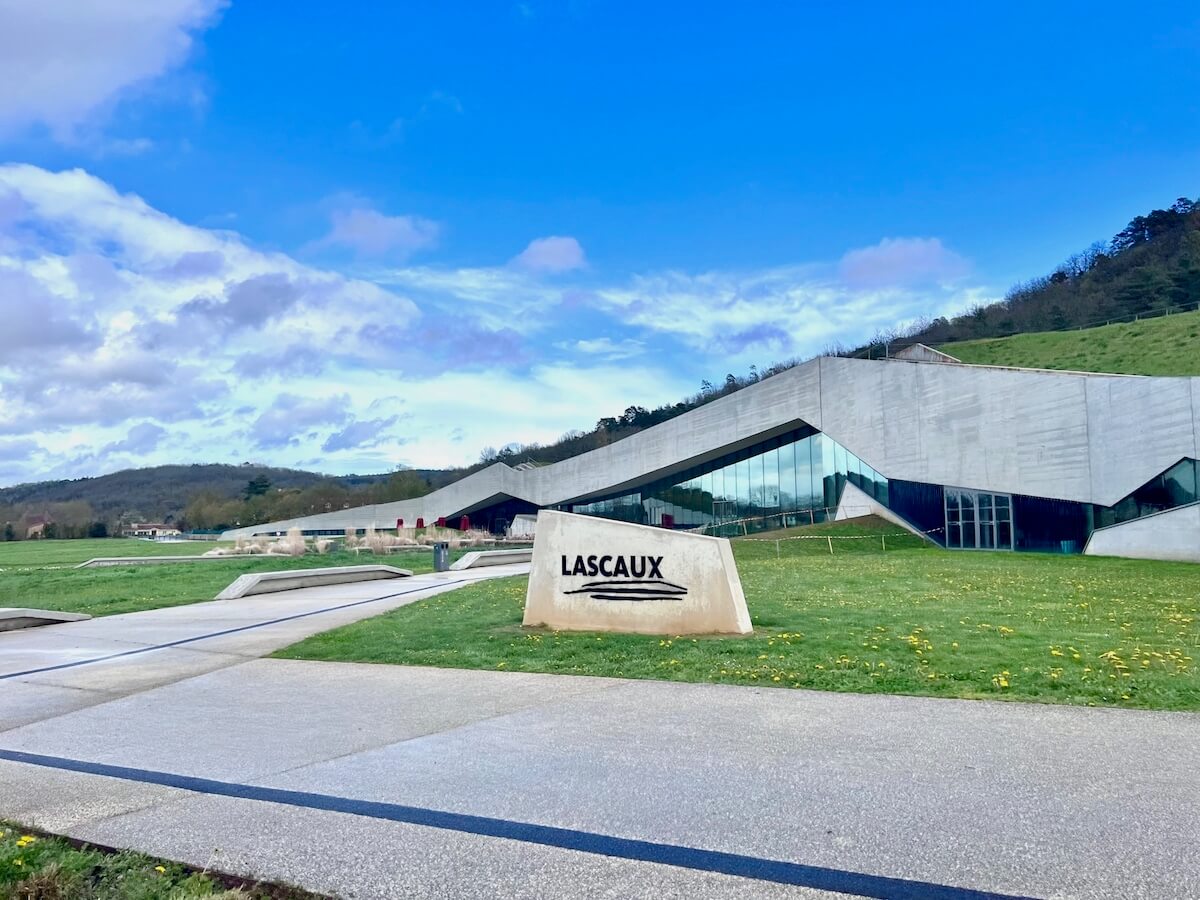
The Vézère Valley is home to some of the most famous prehistoric cave art in the world—including Lascaux IV at the The International Centre of Parietal Art (well, the faithful replica, anyway). These caves preserve not just beautiful animal drawings, but clues about early human life, creativity, and even belief systems. It’s humbling stuff.
The real caves have mostly been sealed off to ensure their legacy remains (after years of being open to the public degraded them). Yet the incredible detail of what can be seen leaves you deeply humbled by your 17,000-year-old ancestors.
This whole area is utterly beautiful too, so enjoy the rest of the Dordogne River valley too.
Saint-Émilion
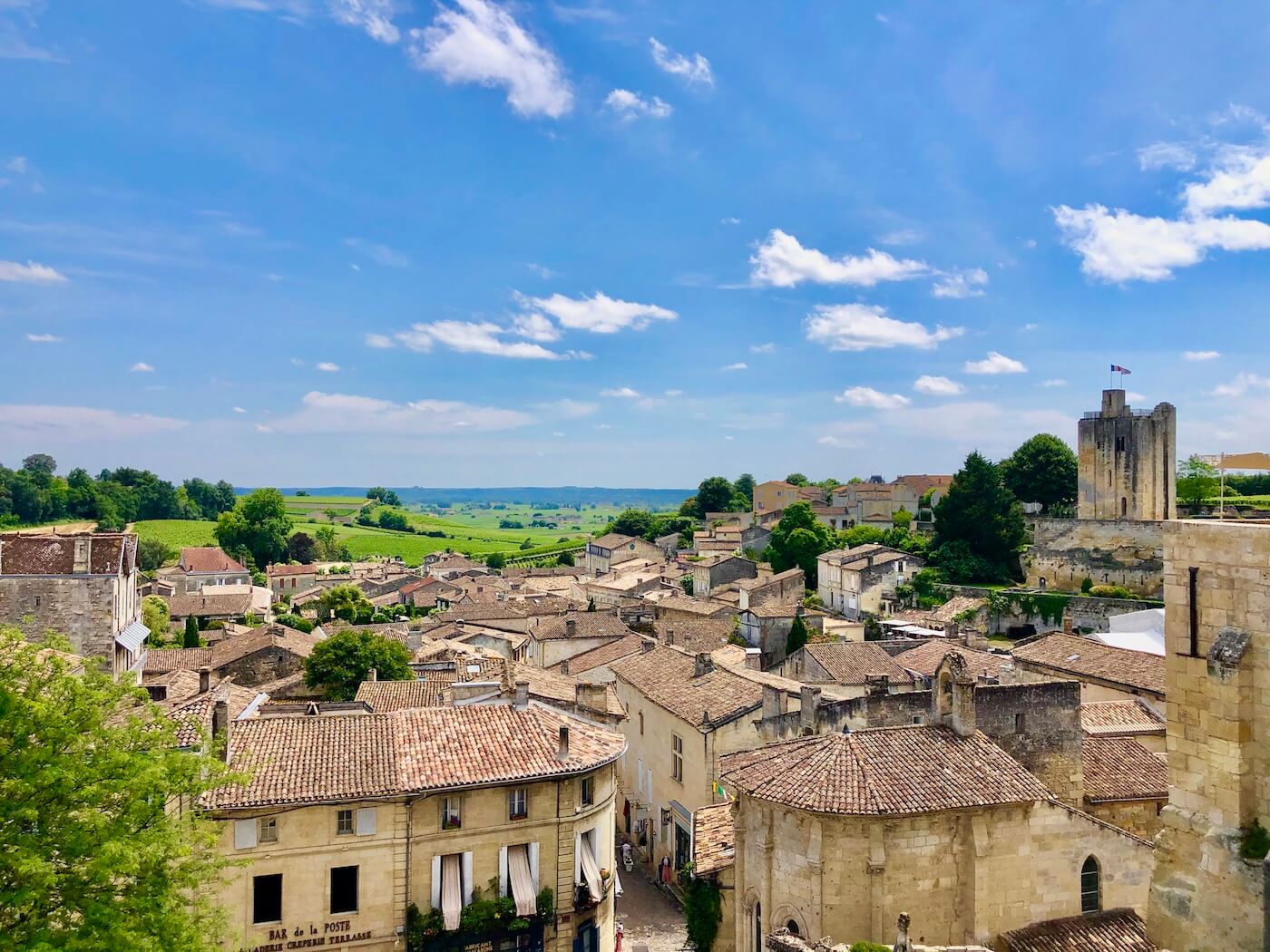
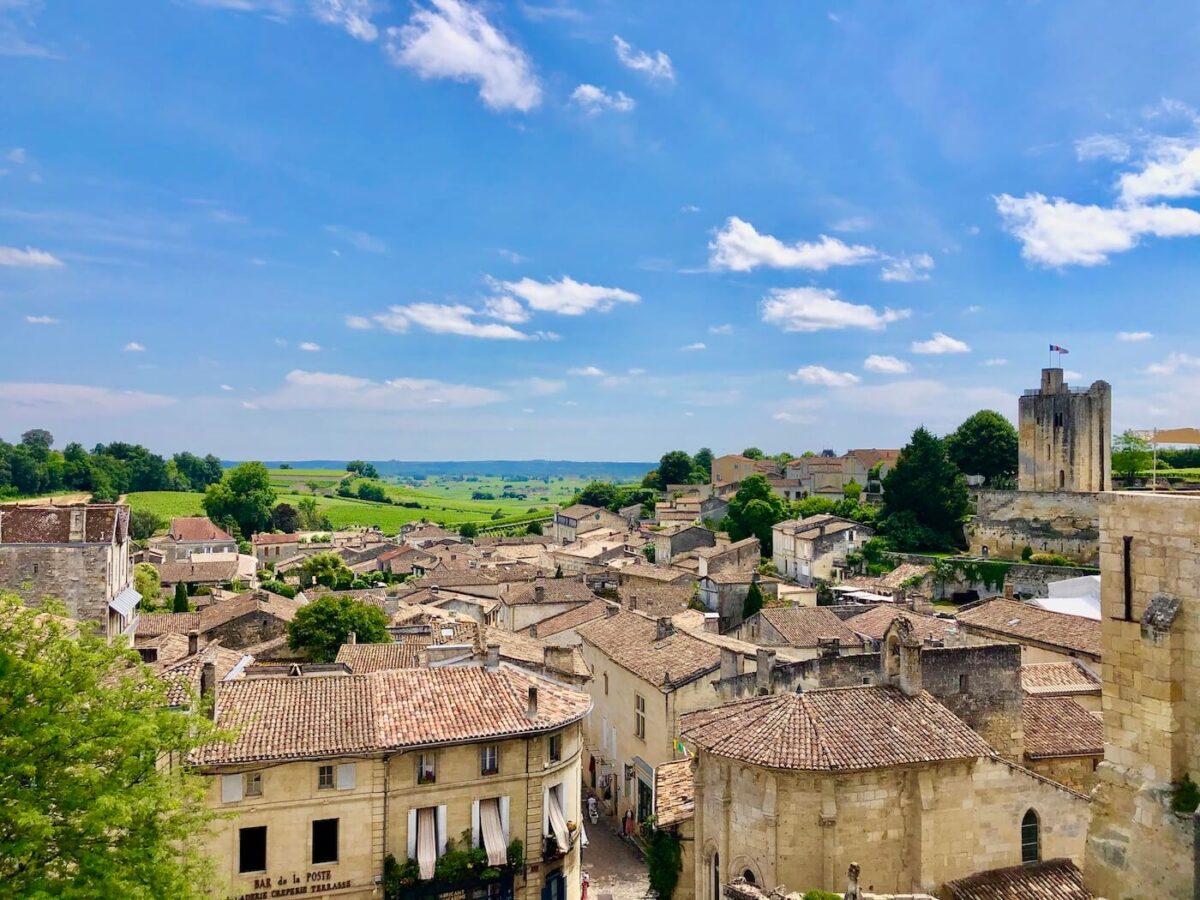
Saint-Émilion is renowned as a wine destination. Just an hour outside of Bordeaux, it is a popular stop on tours of the south-west because it is cute, charming, and literally surrounded by vineyards. There are no less than 12 protected appellations in this immediate area – which is why it makes it special for UNESCO.
Beneath the honey-coloured buildings lies an underground monolithic church that was literally carved out of a limestone cave. The steep cobbled streets and cellar-doors give it that quintessentially french appeal. And choosing one of the many wineries to visit is probably the hardest decision you’ll face on a convivial visit here.
It can get REALLY busy though, and parking can be tough, so take a train or tour from Bordeaux instead!
Bordeaux, Port of the Moon & Cordouan Lighthouse
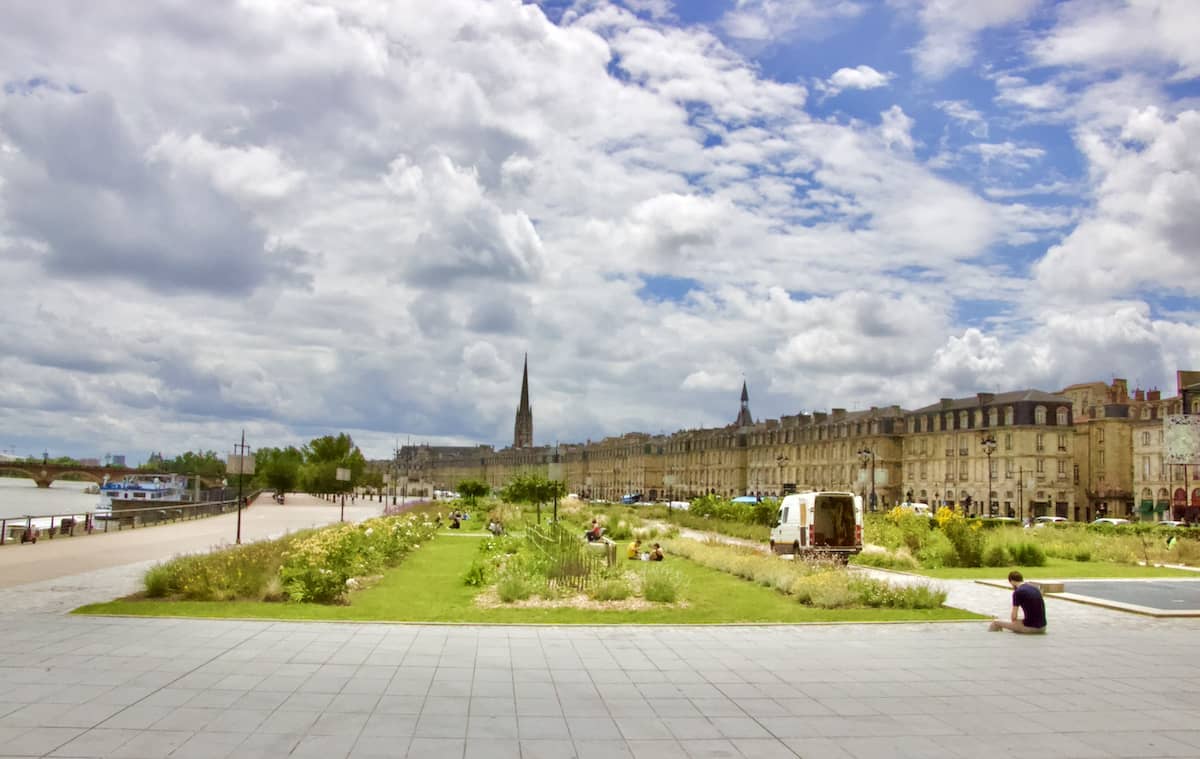
Bordeaux’s historic centre curves gracefully along the Garonne River – hence the poetic nickname ‘Port of the Moon.’ Once a hub for wine, trade, and colonial routes (it’s not all pretty history), the city’s neoclassical architecture is some of the best-preserved in Europe.
Throw in a revamped riverfront, sleek tram system, and more wine than you could drink in a lifetime, and you’ve got a UNESCO site that’s very easy to fall for. I have written about Bordeaux on my niche site, alongside some of our favourite activities in the city – the Bassins de Lumières, and lunch at l’Entrecôte.
Out on the coast, where the Gironde estuary meets the Atlantic, the Cordouan Lighthouse stands like a guardian on its own little island. You can reach the lighthouse by boat from Le Verdon-sur-Mer at the end of the Medoc Peninsula.
Another of Vauban’s fortifications can be found in Blaye – on the opposite side of the Gironde estuary from Medoc.
Lourdes
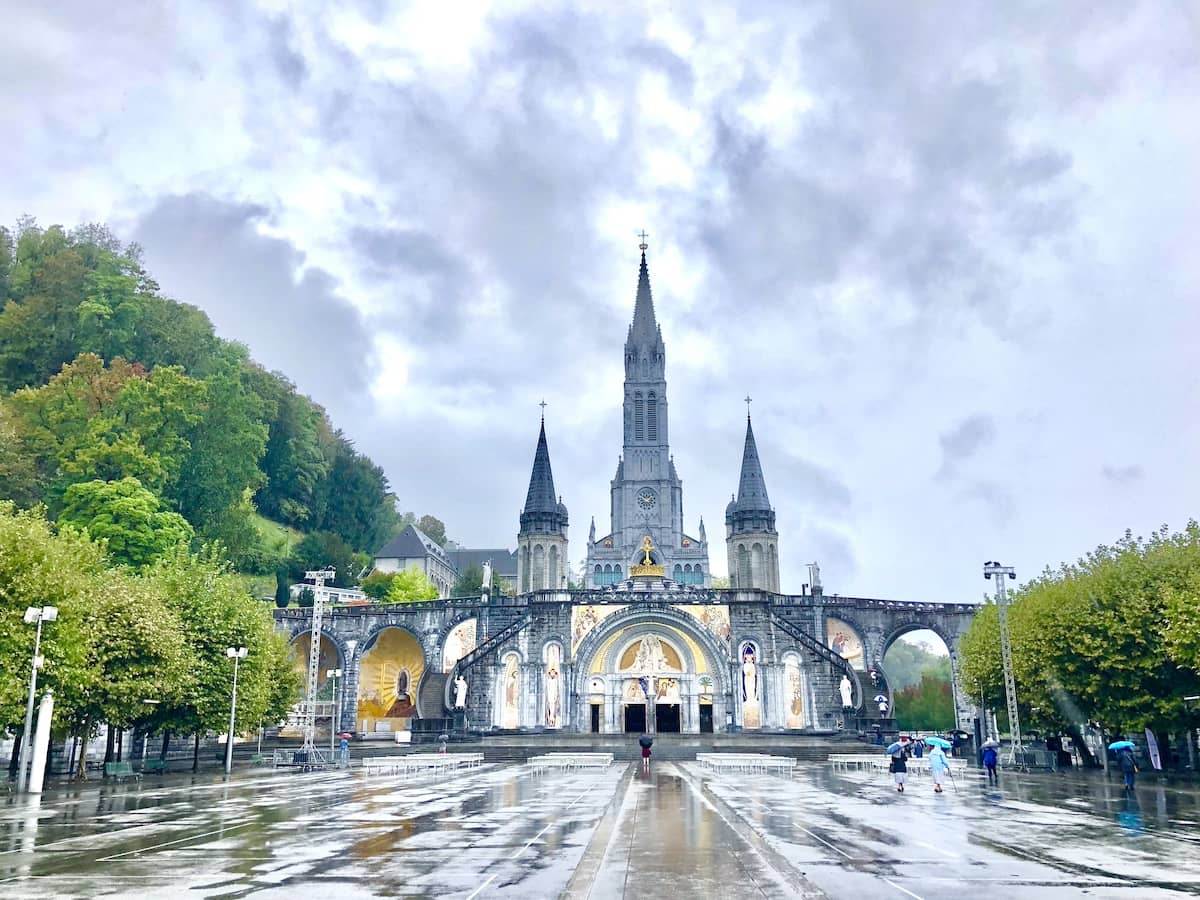
Lourdes is one of the most visited pilgrimage sites in the world, and whether you’re religious or not, it’s hard not to be struck by the scale of faith here. Everything centres around the Grotto of Massabielle, where a teenage girl named Bernadette reported seeing visions of the Virgin Mary in 1858.
Since then, millions have come to seek healing, light candles, or just quietly reflect. It’s part spiritual hotspot, part social phenomenon, with souvenir shops offering everything from rosaries to Mary-shaped water bottles, in which to hold your holy water! Take a tour to get the most out of the sanctuary sites.
We spent a day here, while visiting Pau and enjoying the Petit Train d’Artouste in the Pyrenées, but found it a little like a circus. See more in my post about the Diagonale du Vide in France.
Pyrénées – Mont Perdu World Heritage Site
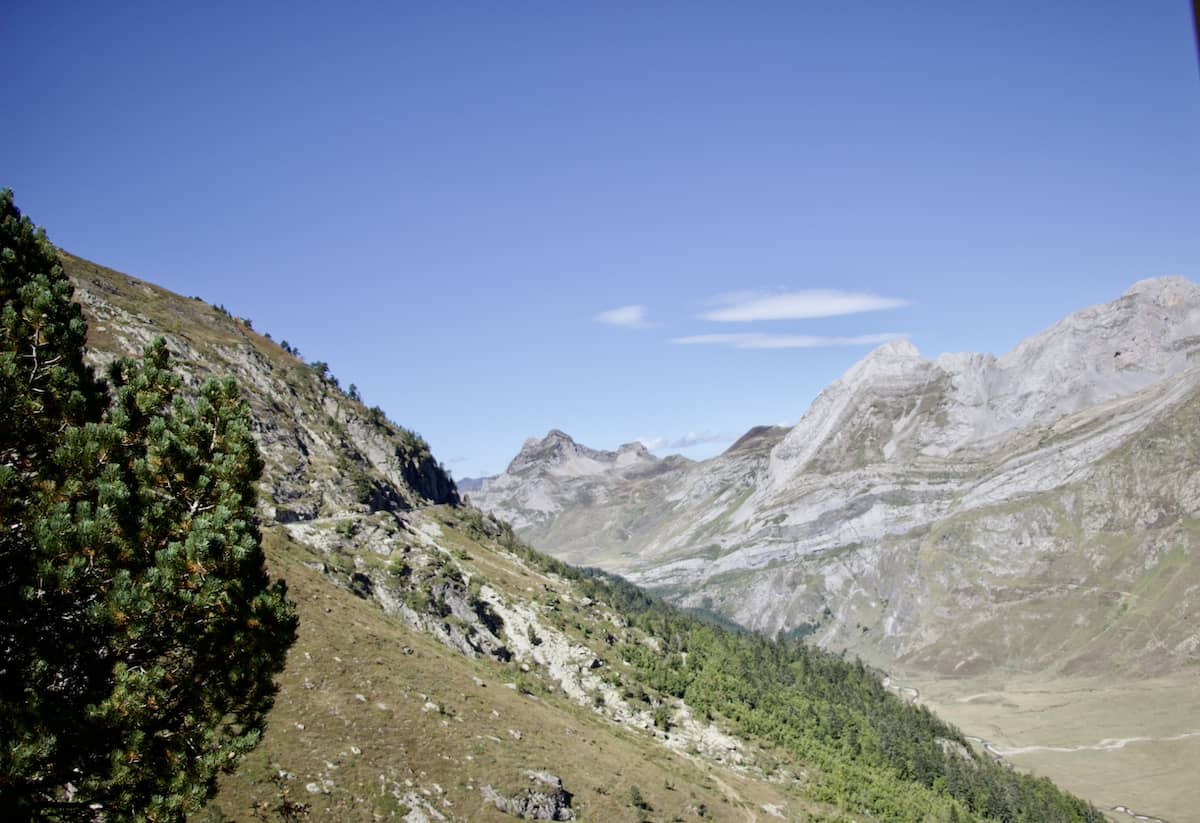
Straddling the border of France and Spain, the epic landscapes of the Pyrenées are incredible and unsung beauties in the tourism space. With deep canyons on the Spanish side, dramatic glacial cirques on the French, Mont Perdu itself looms at over 3,300 metres.
The real draw is the unique blend of natural beauty and centuries-old pastoral life. Stone villages and alpine meadows that have been frozen in time since the Middle Ages. As well as routes where people have escaped, migrated and sought refuge over the centuries. Don’t miss the chance to take a walk along the Basque sorcery routes near Zugarramurdi too.
Nowadays, the Pyrénées is home to a population of Romanian black bears, that were transplanted there after the French and Spanish populations were hunted to extinction. This makes me hugely happy (alongside the reappearance of wolves in the Alps and central France)!
South of France UNESCO Road Trip
This map doesn’t include 4.5 hour drive from Pyrenees to Carcassonne, so bear that in mind if you are linking the previous road trip with this one.
The south of France is the most visited area of France outside of Paris. There’s no real surprise here, the Mediterranean sea was important for trade over the centuries, and now for tourism. It’s a pretty darn gorgeous coastline.
But the things that make good UNESCO sites are actually more to do with power, religion, and trade, innovation and natural wonders.
Carcassonne
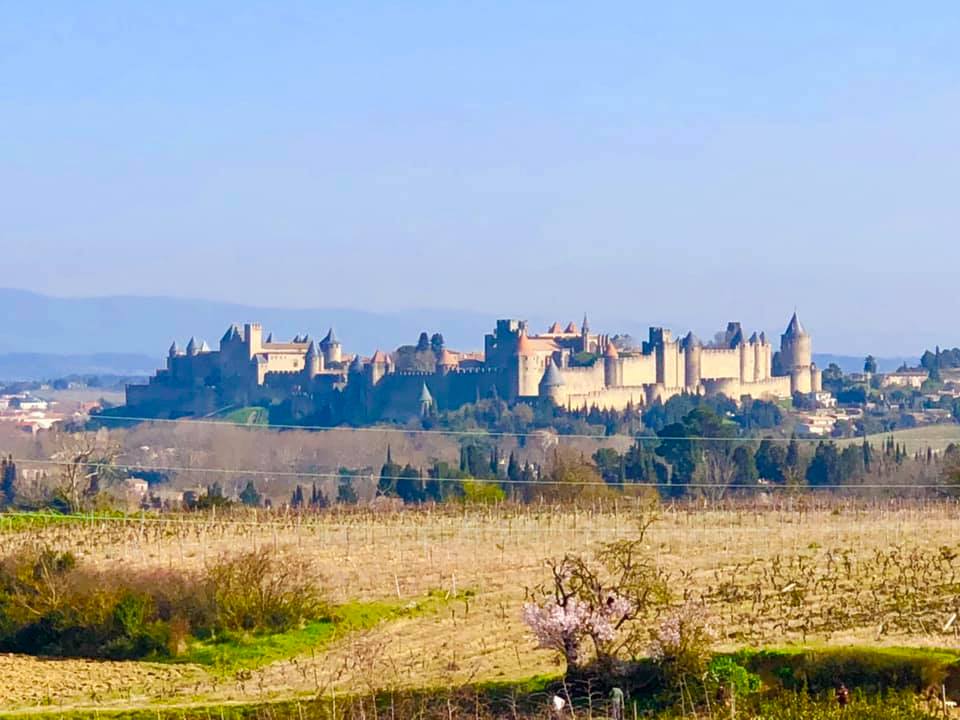
Did someone call for a fairytale hilltop castle? Unparalleled in its impact and preservation (thank you, 19th-century architect Viollet-le-Duc), this fortified Medieval city is just magical.
Yes, it’s very touristy these days, but honestly, there is a reason why it’s so popular – it’s incredible! They have great infrastructure in place, with good extended tourist parking and multiple sales points for the attractions within the fortifications.
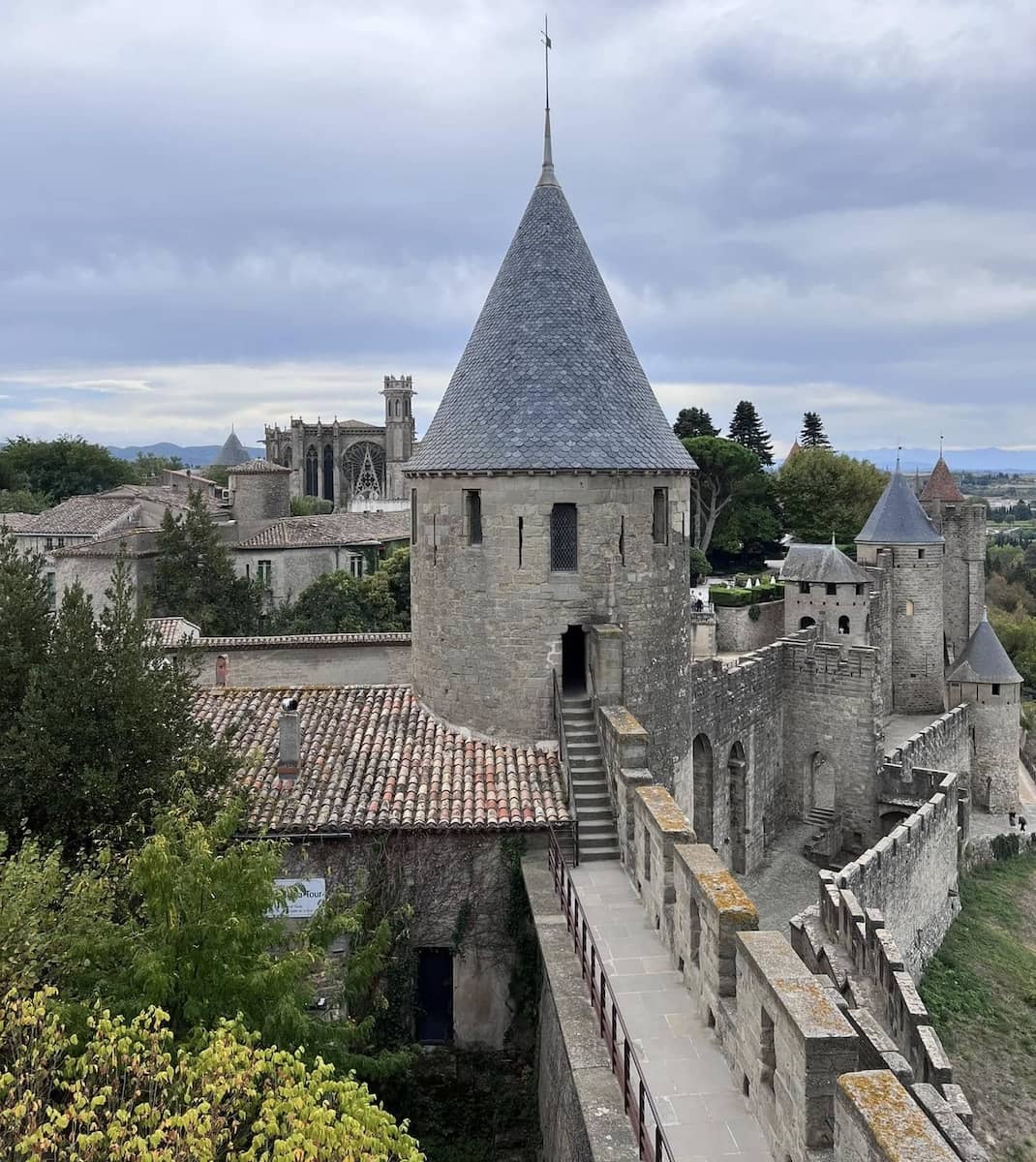
With 52 towers and two concentric walls, it is one of the most impressive examples of medieval military architecture in Europe, and the views from the outer ramparts are worth every step. I highly recommend visiting the castle in the centre, where the walk along the internal ramparts offers amazing views too.
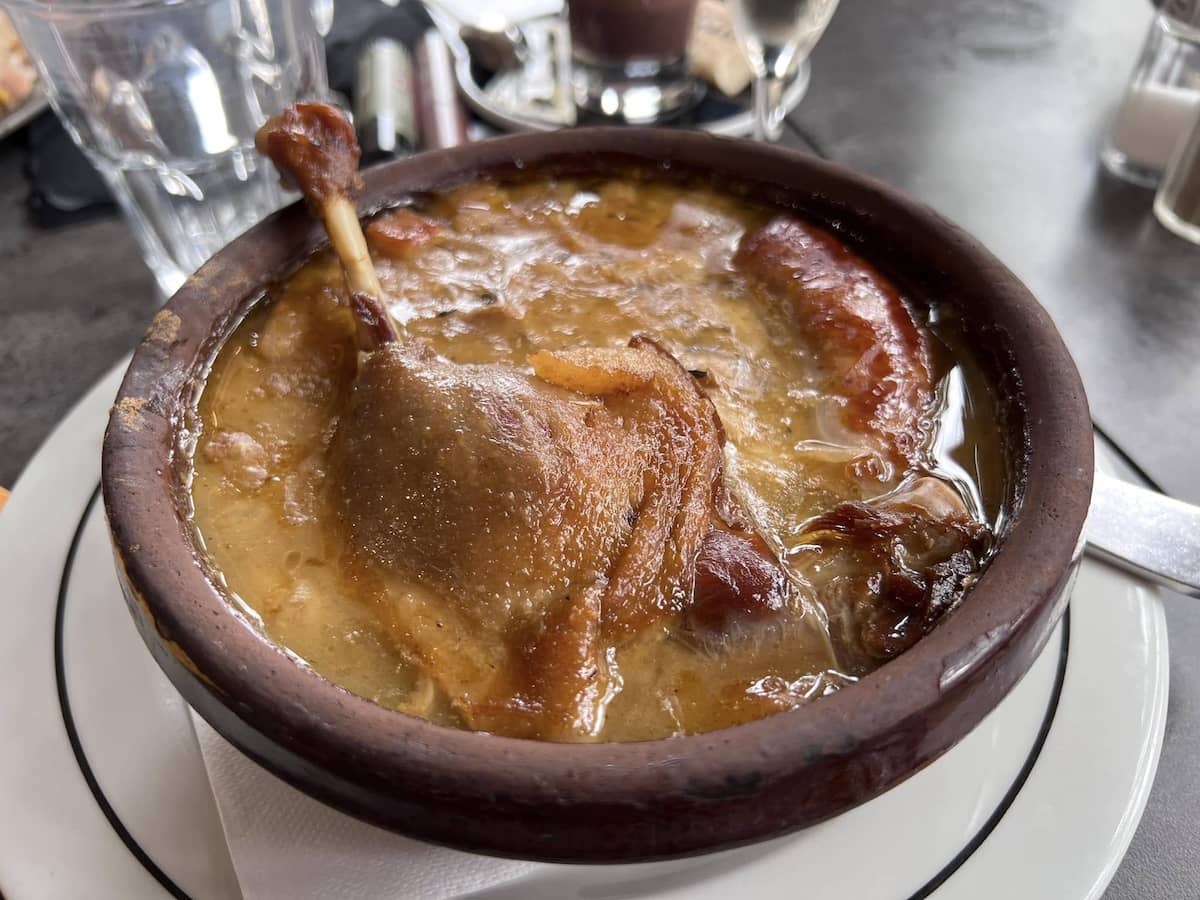
The cassoulet is overpriced within the city walls, but get some anyway. Out of all the touristic things to do, paying an extra 5€ for a bowl of hot and delicious cassoulet isn’t the worst thing you can do!
Canal du Midi
Built in the 17th century to connect the Atlantic to the Mediterranean (and spare ships the long, pirate-filled detour around Spain), the Canal du Midi was a serious feat of engineering for its time.
Today, it’s more about leisure than logistics, with tree-lined towpaths, slow-moving boats, and plenty of spots for cheese-fuelled picnics. It runs through some of southern France’s prettiest countryside.
Episcopal City of Albi
Albi is a city that went all in on brick. Its star attraction is the Sainte-Cécile Cathedral (basically a fortress with stained glass), one of the largest brick buildings in the world.
Right next door is the Toulouse-Lautrec Museum (housed in the old Bishop’s Palace, so it is a great location for art-lovers. Stay at the old water mill (now the Mercure Albi Rives du Tarn) overlooking the river when in Albi – an amazing renewal of a property!
Albi doesn’t get the same hype as some other southern French cities, but it’s a compact gem of a place, well worth a stop on your UNESCO road trip of France.


The Causses and the Cévennes, Mediterranean agro-pastoral Cultural Landscape
Not the most catchy title, but a fascinating area of UNESCO world heritage. This area is a prime example of how humans and nature have coexisted over the centuries, specifically through sheep, terraces, and transhumance (that’s the seasonal moving of livestock – essentially cow commuting).
You’ll find stone villages, ancient drover paths, and dramatic limestone plateaus that look almost prehistoric. It’s rugged, remote, and a bit wild, but that’s kind of the point. Come for the views, stay for the cheese and the quiet.
Decorated Cave of Pont d’Arc, known as Grotte Chauvet-Pont d’Arc, Ardèche
The Chauvet Cave houses some of the oldest and most sophisticated prehistoric art ever discovered – horses, lions, rhinos, and more, all painted over 30,000 years ago.
The actual cave is off-limits to preserve it, but the replica, Chauvet 2, is mind-blowingly accurate and far from a compromise. It’s dark, atmospheric, and genuinely moving, a true time capsule of early human creativity.

Roman Theatre and the Triumphal Arch of Orange
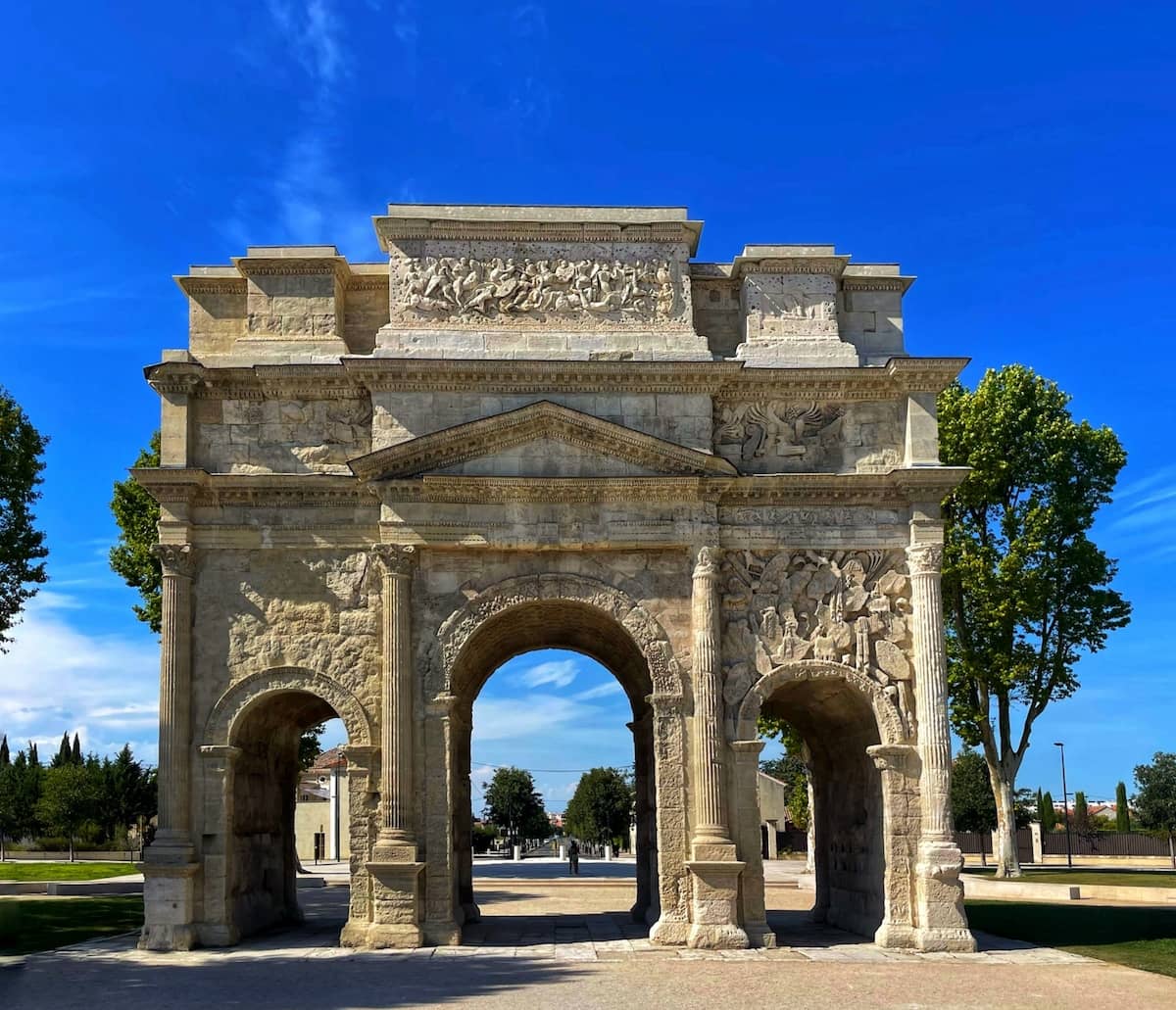
If you want to see a Roman theatre (built between AD 10 and 25) that still has its original stage wall, Orange is the place to go. This UNESCO site has aged surprisingly well, with great acoustics and regular performances that make full use of its classical credentials (just like Verona’s 80 AD amphitheatre).
Just down the road, the Triumphal Arch stands to celebrate Roman military victories with the usual dramatic flair. These sites are not as famous as the Colosseum, but they are better preserved than most Roman sites, and have far fewer elbows queues!
Historical centre of Avignon: Papal Palace, Episcopal Ensemble and Avignon Bridge
Avignon was the centre for papal activity in the 14th century – the popes moved here from Rome and built the giant Gothic Palais des Papes. It’s still one of the largest Gothic buildings in Europe, complete with cavernous halls and secret staircases.
Outside, Avignon has cobbled squares, sun-soaked cafes, and the famous half-bridge (Pont d’Avignon), which stops halfway across the Rhône. Acting more like a lookout pier now, it is quite the sight, stopping mid river. Only 4 arches remain (of the original 22), and rebuilding was given up in the 17th century after repeated floods destroyed it.
Pont du Gard (Roman Aqueduct)
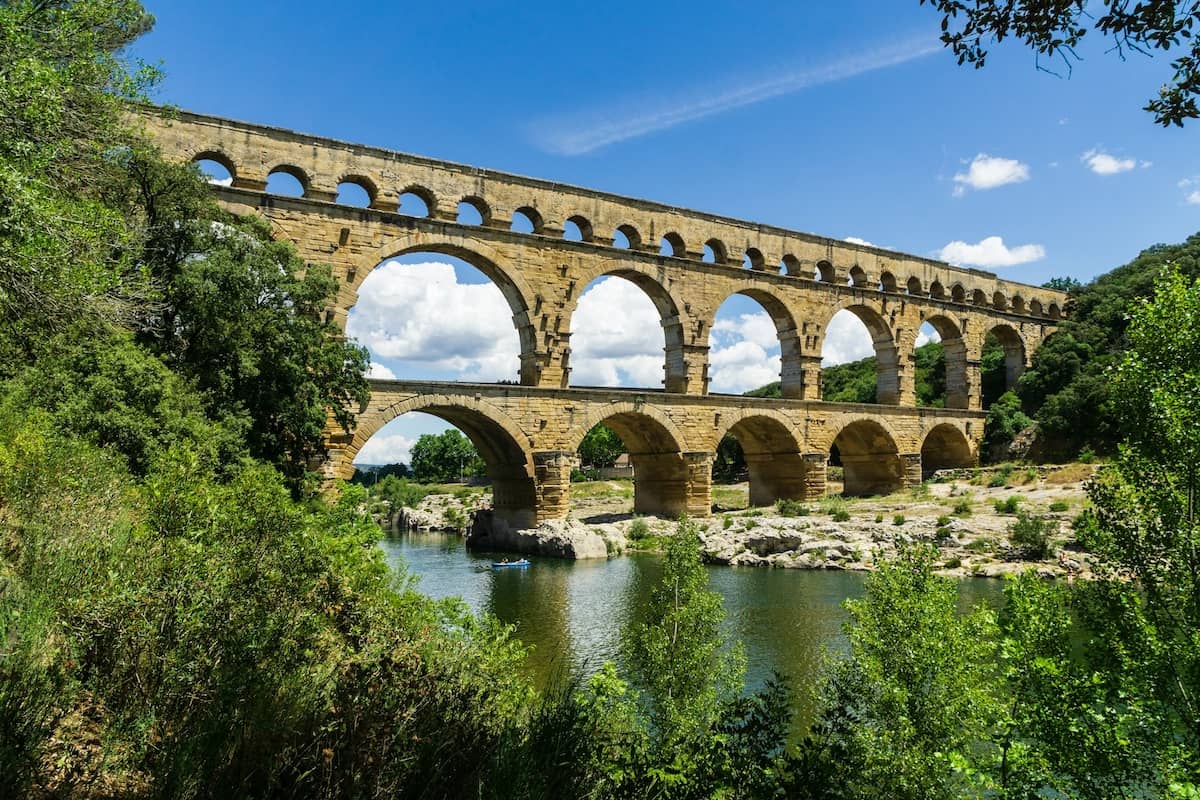
This three-tiered Roman aqueduct is the kind of structure that makes you feel really small and humble. Built in the 1st century AD without mortar, it still stands tall over the Gardon River, because Roman engineers were just crazy good at their jobs.
The Pont du Gard used to carry water to Nîmes, but now it’s an amazing tourist attraction that you can walk across. Don’t miss a swim or kayak beneath it, or a picnic nearby, where you can enjoy the best views.
The Maison Carrée of Nîmes
The Maison Carrée is one of the best-preserved Roman temples anywhere – it’s truly hard to fathom how it has survived so intact. Its proportions are perfect, and the Corinthian columns so intricate.
Its survival is pretty miraculous considering it’s been a church, a government building, and even a stable. These days, the position in the centre of Nîmes (a city full of incredible roman ruins), is somehow understated and nonchalant.
Arles, Roman and Romanesque Monuments
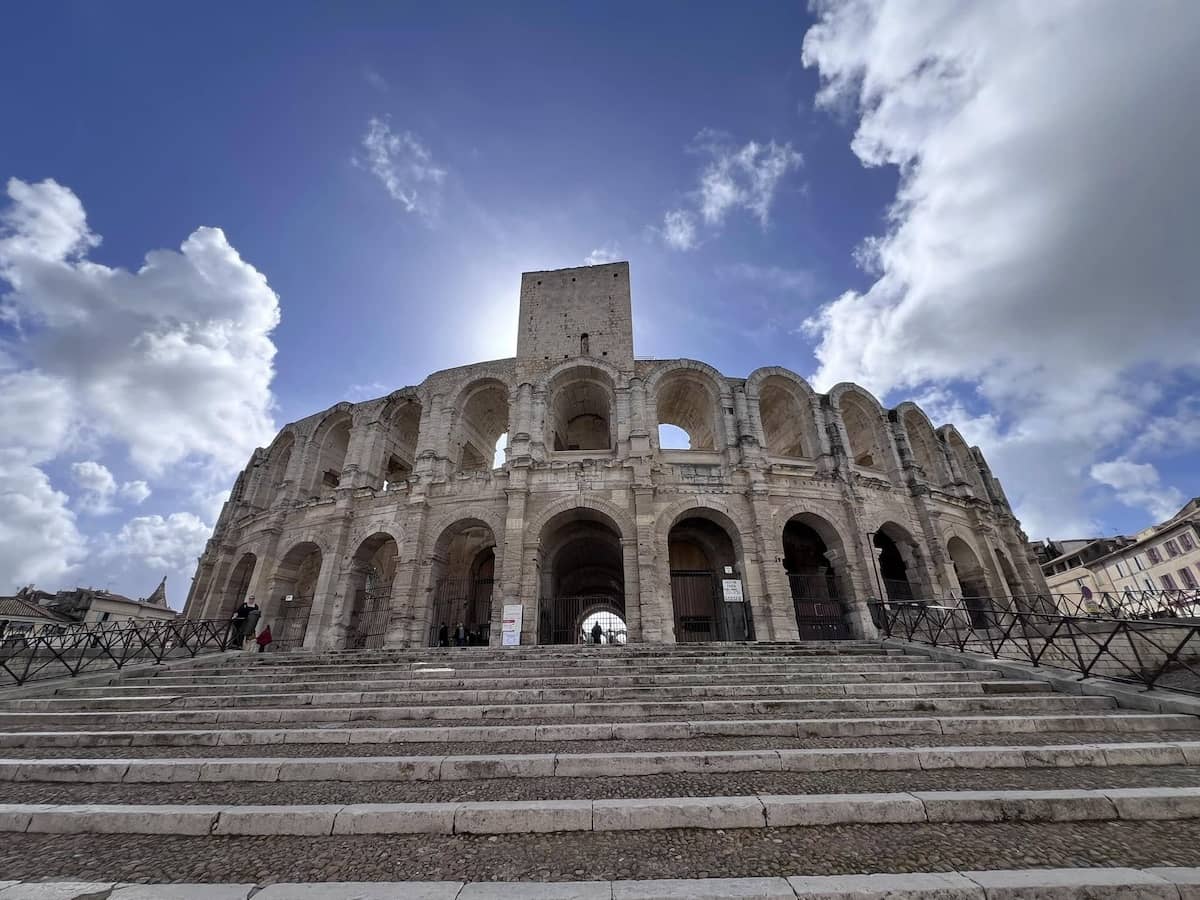
Arles is a small city with an unusually high percentage of Roman monuments – an amphitheatre, forum, baths, necropolis, and an ancient theatre! It’s a city where layers of history stack up neatly, and Romanesque churches add some medieval flavour.
Van Gogh also painted a chunk of his greatest works here, so don’t miss the Fondation Vincent van Gogh Arles or a Van Gogh walking tour, if you need a break from all the marble.
The amphitheatre still hosts events, so you can sit where gladiators once fought and now watch a concert. Let’s all skip the bullfights though eh? That’s an ancient practice that really needs to stay in the past.
Ancient and Primeval Beech Forests of the Carpathians and Other Regions of Europe – Chapitre
As with the Vosges in the north-east, Chapitre (outside Aix-en-Provence) offers another chance to walk amongst the ancient Beech forests of Europe.
Nice, Winter Resort Town of the Riviera
The old town of Nice is quite perfect. I don’t much care for the wider city of Nice and the modern areas, but Vieux Nice and Castle Hill is an absolute peach.
Back in the 19th century, Nice became the place to escape cold, damp winters – especially if you were rich. Its palm-lined Promenade des Anglais, belle époque hotels, and pastel villas all come from that era of high-end convalescence.
These days, it’s a more democratic sort of sunny escape, but the UNESCO listing recognises its legacy as a purpose-built, sun-chasing, sea-loving winter resort town. I love it as a weekend escape in the sun, or as a stopover on our way to Italy.

East & Central France UNESCO Road Trip
It’s time to take the scenic route back towards Paris, taking in the east and central UNESCO sites.
From volcanoes to spa towns, this is probably one of the most diverse parts of the road trip. It also takes in parts of France that don’t get enough attention, in my humble opinion.
We take a little divergence away from UNESCO sites to visit the Verdon Gorge. Often mistaken as being on the World Heritage list, it is actually only part of the Haute-Provence UNESCO Global Geopark, and listed as a Grand Site de France, a national label. But it is stunning and worth a visit.
SIDE QUEST TO THE GORGE DU VERDON – The Verdon Gorge is one of Europe’s most stunning natural wonders, and is often dubbed the ‘Grand Canyon of France’. The dramatic canyon has incredible cliffs, winding roads, and lots of lookouts. Whether you’re kayaking through its crystal-clear waters, hiking along panoramic trails, or just soaking up the views from the iconic Route des Crêtes, it’s definitely worth a side quest! Take a day trip to the Verdon Gorge and lavender fields from Nice if you want a rest from driving.

Prehistoric pile dwellings around the Alps – Lac d’Aiguebelette / Maison du Lac Exhibitions
These aren’t your average lakeside cottages! These prehistoric pile dwellings were stilt houses built thousands of years ago by early humans. At Lac d’Aiguebelette, you won’t see the originals (they’re underwater or long gone), but the Maison du Lac has exhibitions that explain the whole setup: how these ancient communities lived, what they ate, and why stilt architecture wasn’t just for dramatic effect.
It’s a small but fascinating peek into the engineering of Neolithic and Bronze Age societies.
Historic site of Lyon
Lyon’s UNESCO status covers a generous swathe of the city, because it’s scattered with 2000 years worth of urban history to take into account. From a Roman amphitheatre to Renaissance townhouses, secret passageways called traboules used by silk workers and WWII resistance fighters, Lyon has grown without erasing itself.
And once you’ve had your fill of history, tuck into the exceptional food scene (Bouchons and restaurant streets), wine (wine regions to the north and south), and mountain views (on a clear day you can sometimes see all the way to Mont Blanc). Lyon is the perfect weekend away, with an excellent tram network and airport access.
Great Spa Towns of Europe – Vichy
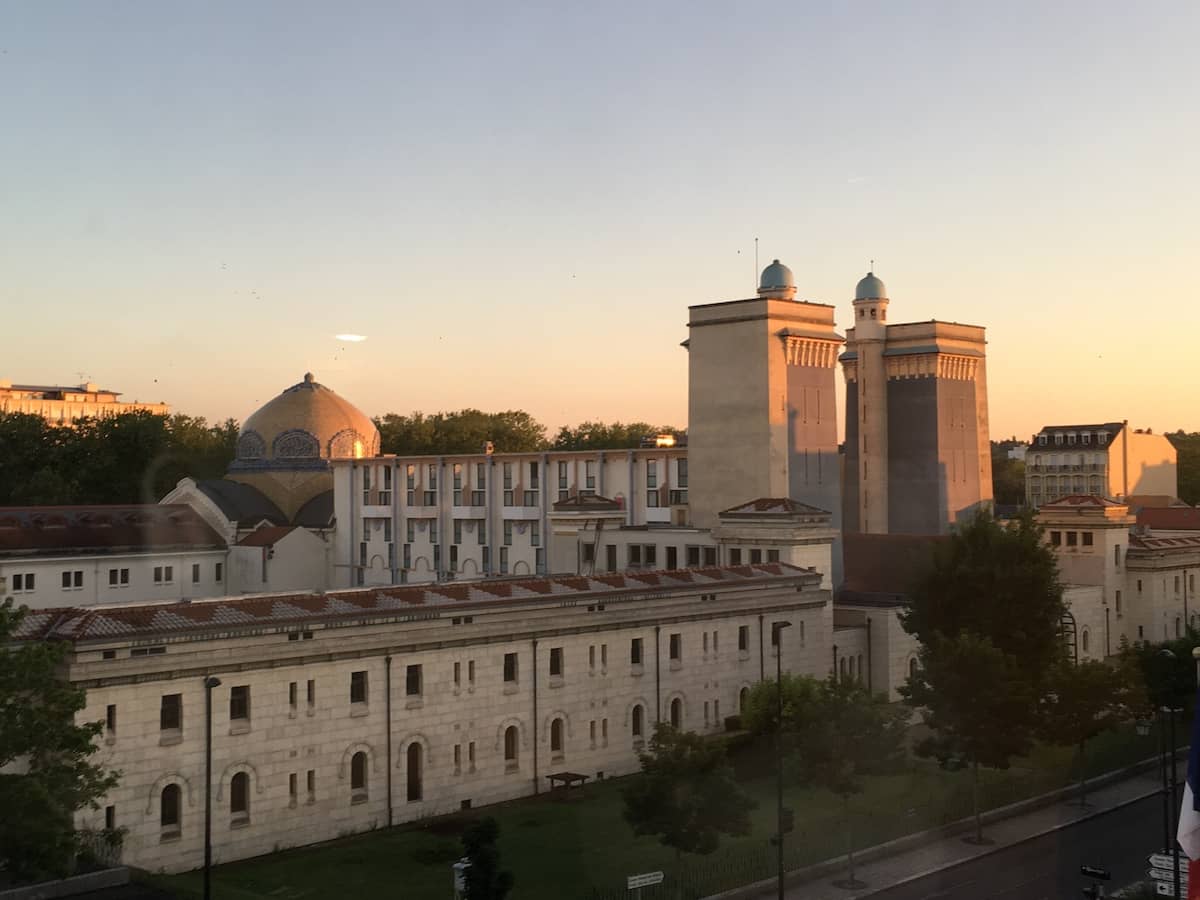
Vichy might be more famous for a certain WWII regime, but its UNESCO listing is all about the spa culture. In the 19th and early 20th centuries, this was where Europe came to take the waters, get pampered, and be seen lounging around domed pavilions and Art Deco bathhouses.
Alongside the thermal springs, points of interest include the opera house, the park-lined Allier riverbanks, and a very elegant town centre. If you’re into some thermal relaxation, Vichy’s your spot! Take a walking tour to learn about the heritage in Vichy.
The full list of 11 UNESCO spa towns is: Bath (UK), Baden bei Wien (Austria), Spa (Belgium), Vichy (France), Baden-Baden, Bad Ems and Bad Kissingen (Germany), Montecatini Terme (Italy), and Karlovy Vary, Mariánské Lázně and Františkovy Lázně (Czech Republic).
Chaine des Puys – Limagne fault tectonic arena
The Chaîne des Puys is a chain of extinct volcanoes lined up across central France. Combine that with the massive Limagne fault, and you’ve got a textbook example of continental rifting.
You can hike up some of the old cones (Puy de Dôme is the biggest one), or just admire the conical landscape.
Bourges Cathedral
As you leave central France and head north towards Paris, your last UNESCO World Heritage list stop is at Bourges Cathedral.
Bourges Cathedral is a triumph of Gothic architecture that doesn’t always get the attention it deserves (not like Paris or Chartres at least). But it’s enormous, architecturally clever, and packed with details that reward a second look.
The stained glass is some of the best in France (13th-century storytelling, vivid colours, no filters needed), and the facade is a feast of sculpted saints and sinners.
It was built without a transept, which is unusual for a Gothic cathedral of its scale, and this leaves it long and lean and very striking.
If you didn’t get a chance to do a day trip to Chartres Cathedral from Paris, visit on your way back to Paris!


Visiting the UNESCO World Heritage Sites of France
France’s UNESCO sites are a greatest hits album of human creativity, natural wonders, and architectural magnificence across the ages. From ancient cave art to magical tectonic landscapes, medieval citadels to modernist chapels, each place tells a different chapter of the country’s (and the world’s) story.
Whether you’re standing in awe of Roman ruins or relaxing in the hot springs of a Belle Époque resort town, France’s UNESCO sites are definitely worth adding to your next road trip. I hope you’ve enjoyed learning about what my adopted country has to offer!
Love road trips? Then check out our Europe content for inspiration!
All photos & content © Hannah Henderson and may not be used without permission (sharing this blog post is fine, though!). Images shot with a Canon DSLR T3i Rebel + Canon EF-S 18-135mm f/3.5-5.6 IS STM; and an iPhone.