Aotearoa New Zealand is a place you can visit any time of the year, but the experience can be quite different depending on when you go and where in the country you plan to visit. So, when is the best time to visit New Zealand? Here’s a month-by-month guide of what to expect throughout the year.
I’ve written extensively about my home country, so hopefully this will help you choose the best time for your visit. And my itinerary posts can help you plan your route. Kia Ora!
- When is the best time to visit New Zealand?
- Visiting New Zealand in January
- Visiting New Zealand in February
- Visiting New Zealand in March
- Visiting New Zealand in April
- Visiting New Zealand in May
- Visiting New Zealand in June
- Visiting New Zealand in July
- Visiting New Zealand in August
- Visiting New Zealand in September
- Visiting New Zealand in October
- Visiting New Zealand in November
- Visiting New Zealand in December
- What Is the Best Month to Visit New Zealand?
When is the best time to visit New Zealand?
Summer is popular for road trips, beaches and outdoor fun, autumn brings cooler temperatures and changing colours and a lot of rain, winter is the season for skiing and snow-covered mountains, while spring offers green landscapes and increasingly longer days.
New Zealand has two main islands with quite different climates. The North Island is generally warmer, while the South Island has colder winters and more pronounced alpine conditions. Even within the same region, coastal weather can be very different from conditions in the mountains.
Below I will detail each month + where I’d recommend visiting during that month.
Visiting New Zealand in January
January is in the middle of summer and is the busiest month for domestic and international tourism. The weather is warm, daylight hours are long, and conditions are suitable for exploring the national parks, beaches, lakes and coastal areas.
It’s a good month for hiking (we call it tramping by the way!), water sports and swimming, and of course road trips, particularly if you want to explore both islands. The Great Walks are popular during this period, and you’ll have the benefit of long days for scenic drives.
However, January is also the main summer holiday period for New Zealanders. Accommodation, rental cars, campervans and popular activities can book up well in advance, particularly in places such as Queenstown, Rotorua and the Bay of Islands.
Major attractions will be busy, and the roads will be packed – especially in early January, when the Christmas summer holidays are in full swing. Remember, our summer holidays are also our Christmas holidays, so it’s a very busy time.
Best for: Summer road trips, beaches, hiking and outdoor activities.
Best destinations: Abel Tasman National Park, Far North and the Bay of Islands
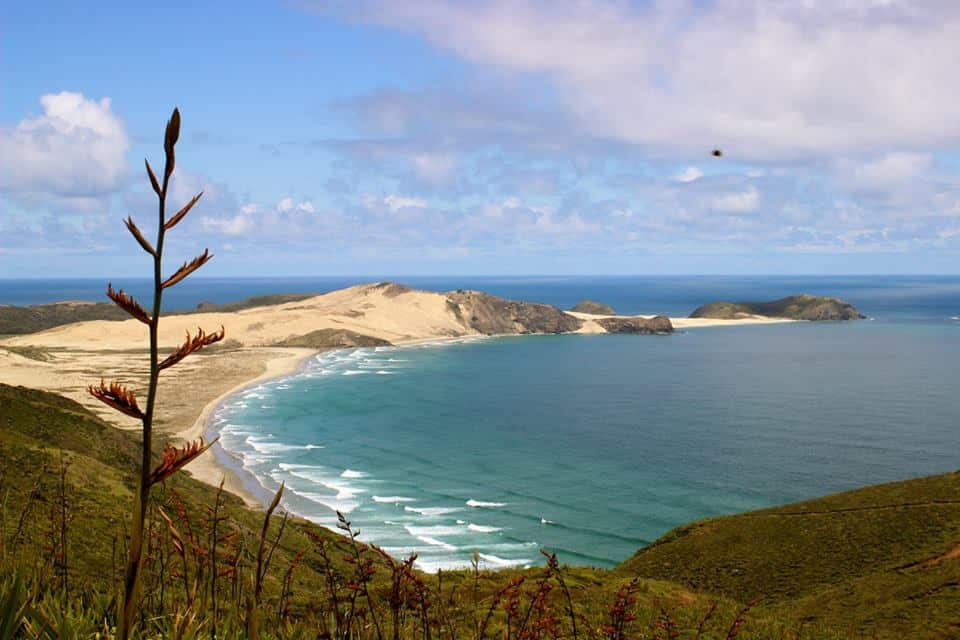
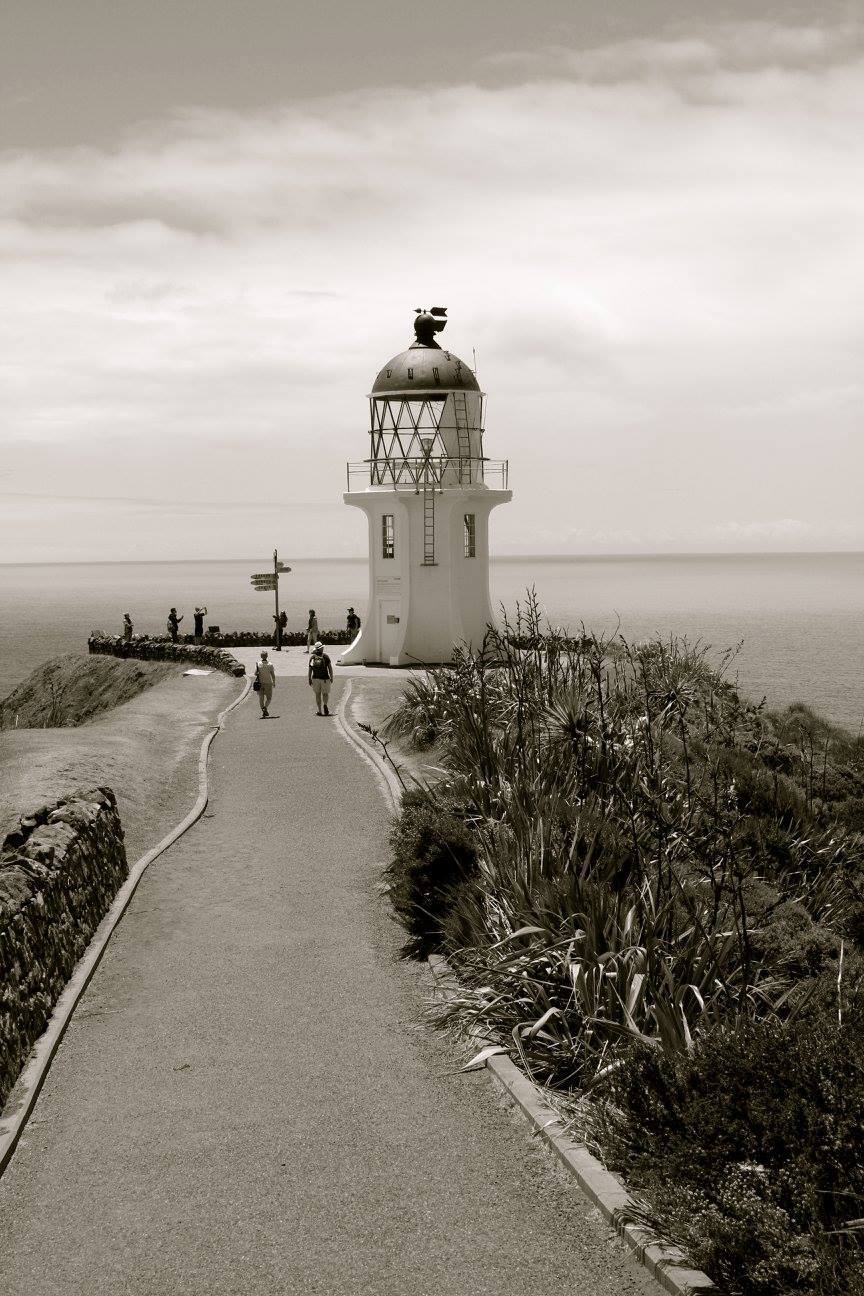
SUMMER MEMORY: January vacations in the far north were my favourite as a kid. Getting all the way up to Cape Reinga felt like a proper adventure. Camping in the Bay of Islands and visiting Waitangi (where the Treaty between Maori and Pakeha was signed) was a special memory, as were the many, many ice cream cones.

Visiting New Zealand in February
February is another excellent month if you want warmer temperatures. It has the advantage of being quieter on the domestic tourism front, because the schools go back by early February after the Christmas break.
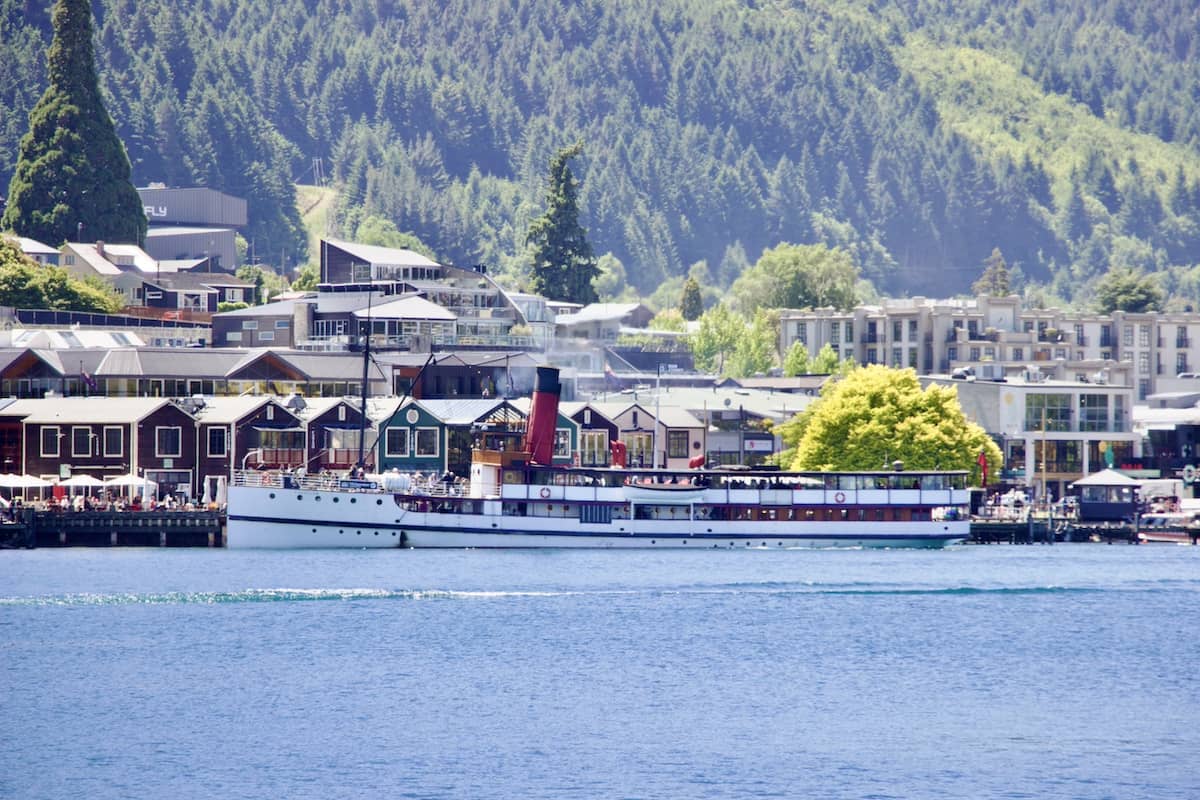
You can enjoy the beaches of the North Island, explore the Marlborough Sounds, visit the lakes around Queenstown and Wanaka, or spend time hiking in the Southern Alps. It’s also a good time to explore New Zealand’s wine regions, like Marlborough, Hawke’s Bay and Central Otago.
February can still be busy for international tourism (since northern hemisphere folk use it to avoid their own winter), but the main Christmas and New Year holiday period has passed. If you’re planning a first trip and want warm weather without travelling right at the peak of the holiday season, February is your best bet.
Best for: A first visit, outdoor activities, wine regions and touring both islands.
Best destinations: Coromandel Peninsula, Queenstown, Royal Albatross Colony at Taiaroa Head near Dunedin
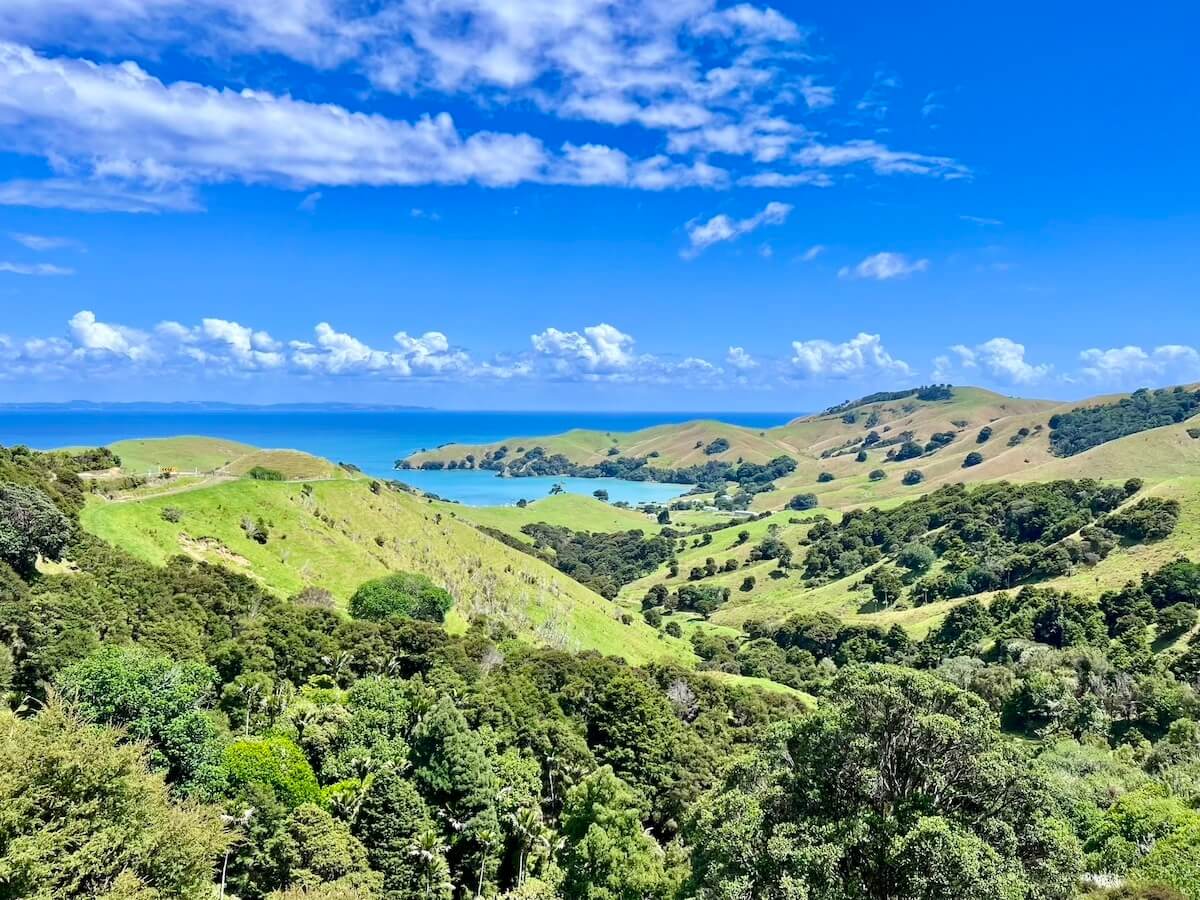
TOP TIPS: The Coromandel is a special place for me and my family – I recommend Whitianga for buzzing beach bar vibes, Kuaotunu for a proper bach holiday, New Chums Beach for a stunning hidden gem, and Driving Creek Railway for family fun.


Visiting New Zealand in March
March is my birthday month, and is actually one of my favourite months for road-tripping around New Zealand. It’s the beginning of autumn, and while the evenings cool off, there are still plenty of sunny days – especially in places like the Hawke’s Bay, North Island.
You can enjoy warm days without the same level of summer holiday traffic. The sea and lakes may* still be warm enough for swimming, and tourist sights and wineries are calling.
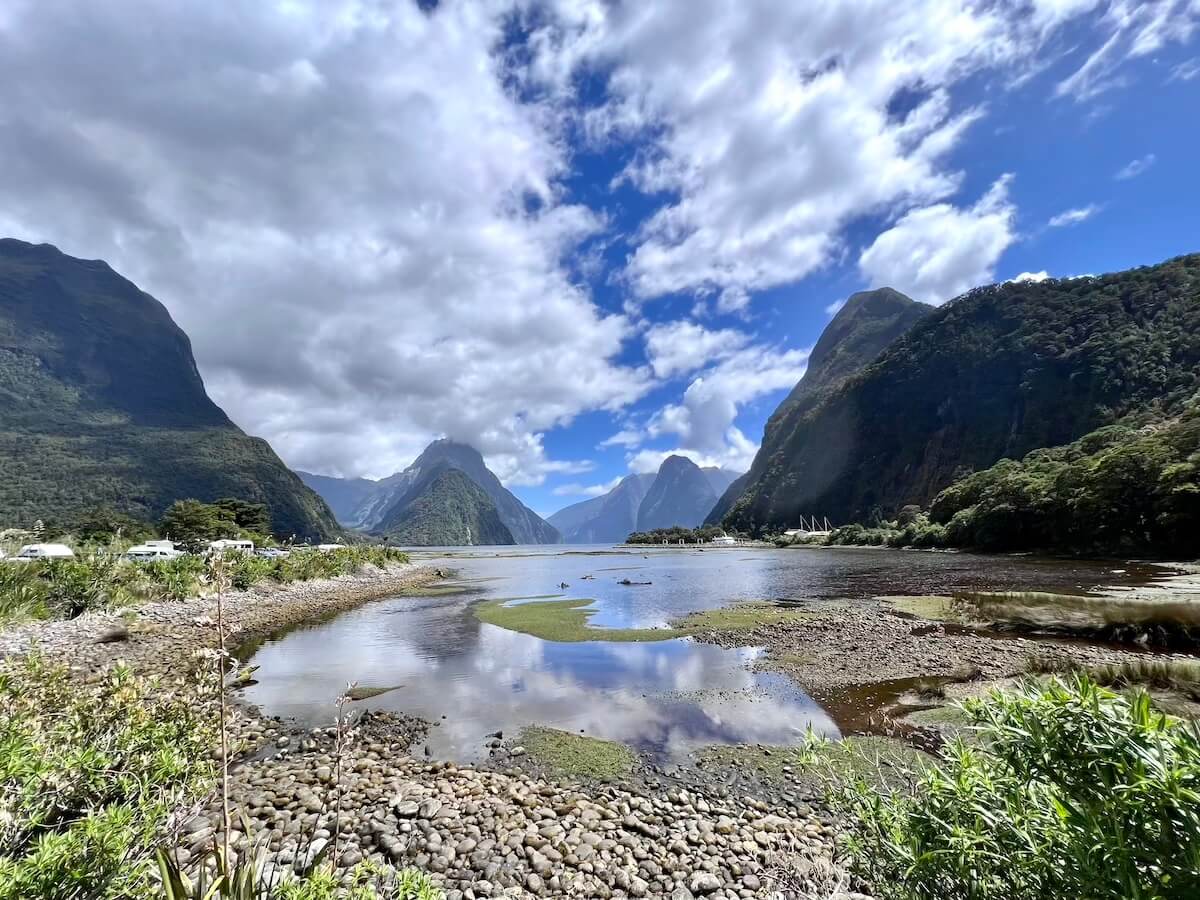
It’s also a magic time to visit Fiordland – the colours are changing and the weather is a little more unpredictable, but it is quiet and the accommodation prices can be more attractive!
Best for: Scenic drives, hiking, wine regions and combining the North and South Islands at a lower cost.
Best destinations: Bay of Plenty, Hawke’s Bay, Fiordland
* highly dependent on the location and weather
FAVOURITE MEMORIES: On a recent trip back in NZ, my husband and I celebrated our wedding anniversary out on Milford Sound – we saw penguins, seals, dolphins and amazing waterfalls – 10/10 recommended!
Visiting New Zealand in April
April is firmly into autumn, with cooler evenings and shorter days. The weather can still be nice for sightseeing, but it’s worth packing layers and a waterproof jacket.
The Central Otago region around Arrowtown, Queenstown and Wanaka is known for its autumn colours. If you love photography like I do, this can be a good time to visit the alpine areas for leaf-peeping, although the timing and intensity of the colours vary each year.
Autumn is great for visiting the thermal and volcanic areas of New Zealand too – a week in Taupo and Rotorua is a fantastic trip.
April can also be a good month for exploring cities like Wellington. However, Easter and school holidays can bring busy periods, so check the dates before booking.
Best for: Autumn scenery, wine tasting, city breaks and quieter sightseeing.
Best destinations: Central Otago, Wellington, Central Plateau
TOP TIPS: Wellington is where I grew up, and you can’t beat it on a good day. But it is known for the gusty southerly winds (its nickname is ‘Windy Wellington’ – so be prepared! For rainy days, Te Papa museum offers refuge from the elements.


Visiting New Zealand in May
May is late autumn, with cooler weather and shorter daylight hours. Temperatures vary considerably by region, and the South Island’s inland areas can be very cold.
This is a good month for a slower-paced trip focused on towns, museums, food, wine and scenic drives. Be flexible if you choose outdoor pursuits at this time of year.
If you’re planning to visit the mountains, check local conditions rather than assuming that a route will be open because it’s accessible during summer. May can be a good time to visit for the budget traveller, as it’s outside the busiest travel periods.
Best for: City breaks, food, museums and off-season travel.
Best destinations: Dunedin, Wellington, Auckland
CITY TIPS: With family in Auckland, I have spent a lot of time here. Kick off a visit to Auckland by enjoying brunch in Ponsonby, and nicknack shopping at the boutiques – bliss! In Dunedin, be sure to take advantage of the student vibe of the place – cheap eats and craft breweries are a highlight.

Visiting New Zealand in June
June is the beginning of winter. Temperatures fall, daylight hours are short, and snow becomes more likely in the mountains and inland parts of the South Island.
The ski season usually begins around this time, although opening dates depend on snow conditions – it can be late June before it starts. Queenstown and Wanaka are popular bases for winter sports, while the Central Plateau of the North Island also has ski areas (usually July before there is reliable snow).
You don’t need to ski to enjoy New Zealand in winter. Cities, museums, geothermal attractions and hot pools remain good options, and the mountain scenery can be impressive. However, some walking tracks and alpine roads may be affected by snow and ice, so plan activities around the conditions.
Best for: The beginning of ski season, winter scenery, hot pools and city breaks.
Best destinations: Queenstown and Wanaka (The Remarkables and Coronet Peak), Rotorua
TOP TIPS: Queenstown and Wanaka are very much set up for tourists (I think there are more hotels in Queenstown than there are accommodations for the workers who live there). But there is something for everyone – hostels, luxury, and family apartments.


Visiting New Zealand in July
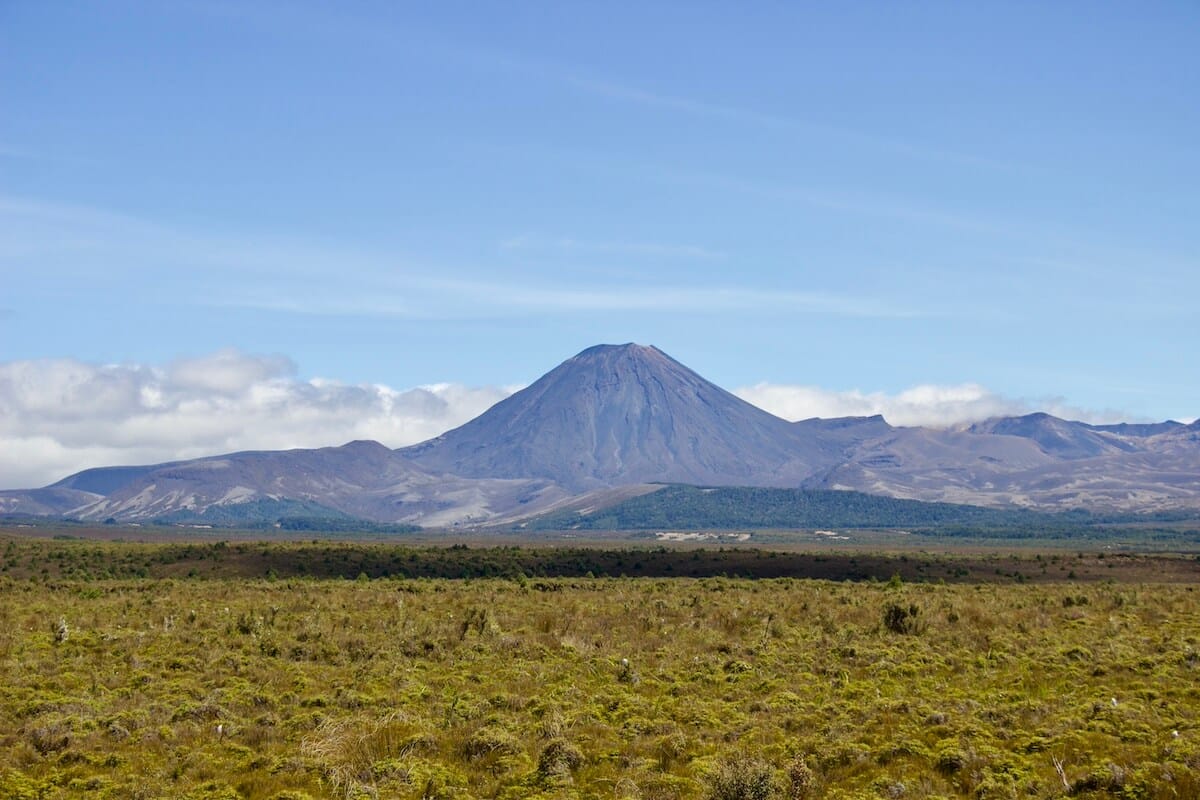
July is the middle of winter and one of the main months for skiing and snowboarding. The ski areas around Queenstown, Wanaka and Mount Ruapehu attract visitors looking for winter sports, although snow conditions vary from year to year.
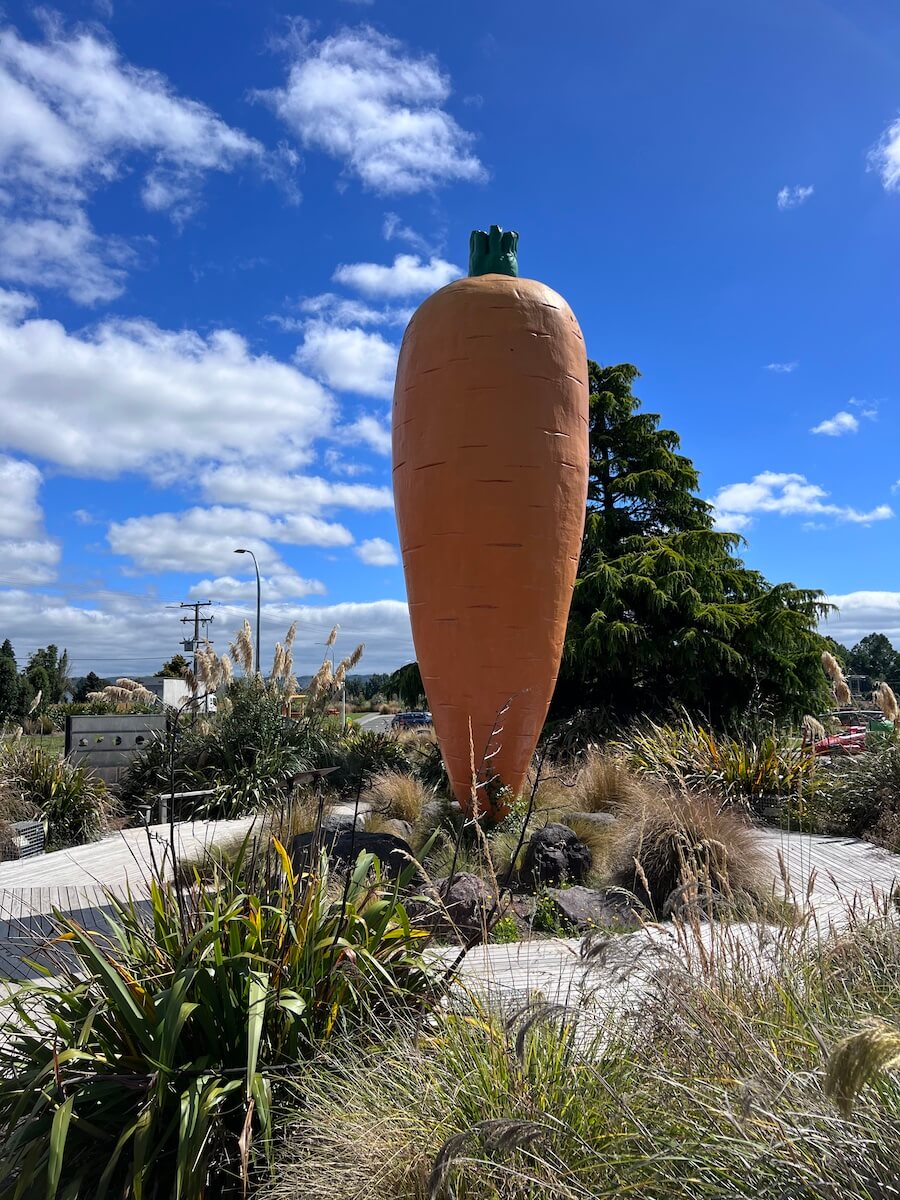
My favourite spot is Ohakune in the central plateau of the North Island – a cute town with an iconic giant carrot as its symbol. It can be a bit of a party town, but there are lots of family-friendly spots too.
In the South Island, expect cold temperatures, frosty mornings and the possibility of snow in inland and alpine areas. Coastal locations are generally milder, but rain and wind can still impact your plans.
July is also part of the New Zealand school holiday period, so ski resorts and some family attractions can be busy. If skiing is a priority, book accommodation and equipment in advance, and check the forecast and road conditions before travelling between destinations.
Best for: Skiing, snowboarding, winter landscapes and winter holidays.
Best destinations: Whakapapa and Tūroa ski fields in the Central Plateau, Cardrona and Treble Cone near Queenstown, or cities to hide out in galleries and museums.
FAVOURITE MEMORY: My family used to stay at a run-down old holiday home in Ohakune a few times a year. It had one of those old roller washing machines, a 1940s kitchen with a flour bin and pull-out bread cutting tray… and stinging nettles in the garden. Crisp mornings in the shadow of Mount Ruapehu are what good childhood memories are made of.

Visiting New Zealand in August
August is still winter, making it another option for skiing and snowboarding. Ski fields are generally operating during this period, subject to snow and weather conditions, and the mountains around Queenstown, Wanaka and the Central Plateau are the most popular. The later opening ski fields, like Tūkino, are at their peak in August.
The North Island is generally milder than the South Island, although you should still expect winter weather and lots of wind and rain.
If you’re planning a wider road trip, remember that shorter days and winter driving conditions can limit how much ground you comfortably cover. Build flexibility into your plans, particularly if your route includes mountain passes. The roads in New Zealand are narrow and winding, and should not be underestimated (even in good weather).
Best for: Skiing, winter scenery, geothermal attractions and quieter city sightseeing.
Best destinations: Christchurch, Napier, Rotorua, Hamilton and Auckland
TOP TIPS: If your vibe is more après-ski than ski bunny, then indulge in the thermal pools at the Polynesian Spa in Rotorua – it’s lush!



Visiting New Zealand in September
September welcomes the beginning of spring. Temperatures gradually rise, the days get longer, and the countryside becomes greener.
Spring weather can be changeable, with a mixture of sunshine, rain and cooler nights. Snow remains on the mountains, and rivers and waterfalls can be particularly impressive as the snow melts. Huka Falls in Taupo is usually quite dramatic with this extra snow melt.
Places like Taranaki and the West Coast of the South Island are lush and beautiful at this time of the year.
It’s a good time for gardens, wildlife experiences and scenic touring, particularly if you prefer to avoid the busiest summer months. However, some high-altitude walks may still have winter conditions and be inaccessible.
Best for: Spring gardens, waterfalls, wildlife and scenic drives.
Best destinations: Taranaki (North Island), West Coast (South Island)
PERSONAL RECOMMENDATIONS: New Plymouth is a lesser visited gem in NZ, as is Taranaki as a whole. Great coffee and food, wild coastlines, the beautiful Mount Taranaki will woo you.


Visiting New Zealand in October
October is a good month for exploring New Zealand as the country moves further into spring. Days are longer, temperatures are on the up, and flowers and new growth bring colour to gardens and countryside.
It’s a good month for sightseeing because you get more nice days, but the crowds haven’t descended yet. The South Island weather can still be unpredictable. Perhaps consider starting your trip in the North Island in October, and wait until November to reach the South Island!
October is a good cheap time for a road trip, before the main summer season hikes the prices. You’ll need to be flexible with outdoor activities, but you’ll find fewer visitors at some popular attractions.
Best for: Gardens, spring landscapes, sightseeing and pre-summer road trips.
Best destinations: Hamilton (gardens), Kaikōura (whale watching)
FAVOURITES: Kaikoura has a year-round population of sperm whales that live in the waters and feed in the deep waters off the coast. We were delighted to see ‘Holey Moley’ a big bull sperm whale, plus some Hector’s dolphins, during our boat trip.


Visiting New Zealand in November
November is late spring and often a good compromise between the cooler months and the busy summer season. It’s like the country is waking up from winter hibernation, and the lambs are frolicking in the fields.
It’s a good month for wildlife and exploring the national parks. Some alpine areas may still have snow or seasonal access restrictions, but the crisp clear days are on the rise.
This is the time to enjoy the foothills of mountain ranges, and wine regions. While the coastal areas can still be blustery, it’s an ideal time to discover the hilly inland landscapes. I recommend the Marlborough and Wairarapa wine regions, and inland spots like Taumaranui and the Waitomo glow worm caves.
Best for: Hiking, wildlife, scenic drives and travelling before peak summer.
Best destinations: Lake Tekapo, Nelson and Marlborough, Forgotten World Railway (Taumaranui), Waitomo, Wairarapa
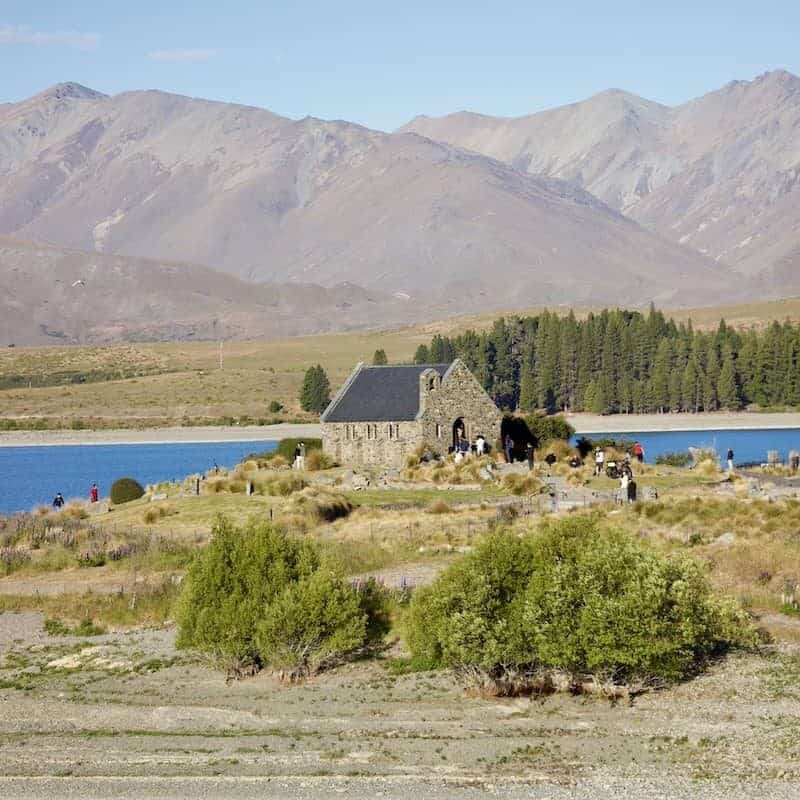
TIPS: November is the time to do the big ticket tourist stuff, because it’s before the summer chaos. Visit the Hobbits, take the golf carts along an old railway line, see the glow worm caves, and admire the dark skies over Lake Tekapo.


Visiting New Zealand in December
December is the beginning of summer and the start of the busiest travel period. The weather is warm, the days are long, and conditions suit beaches, outdoor activities and road trips.
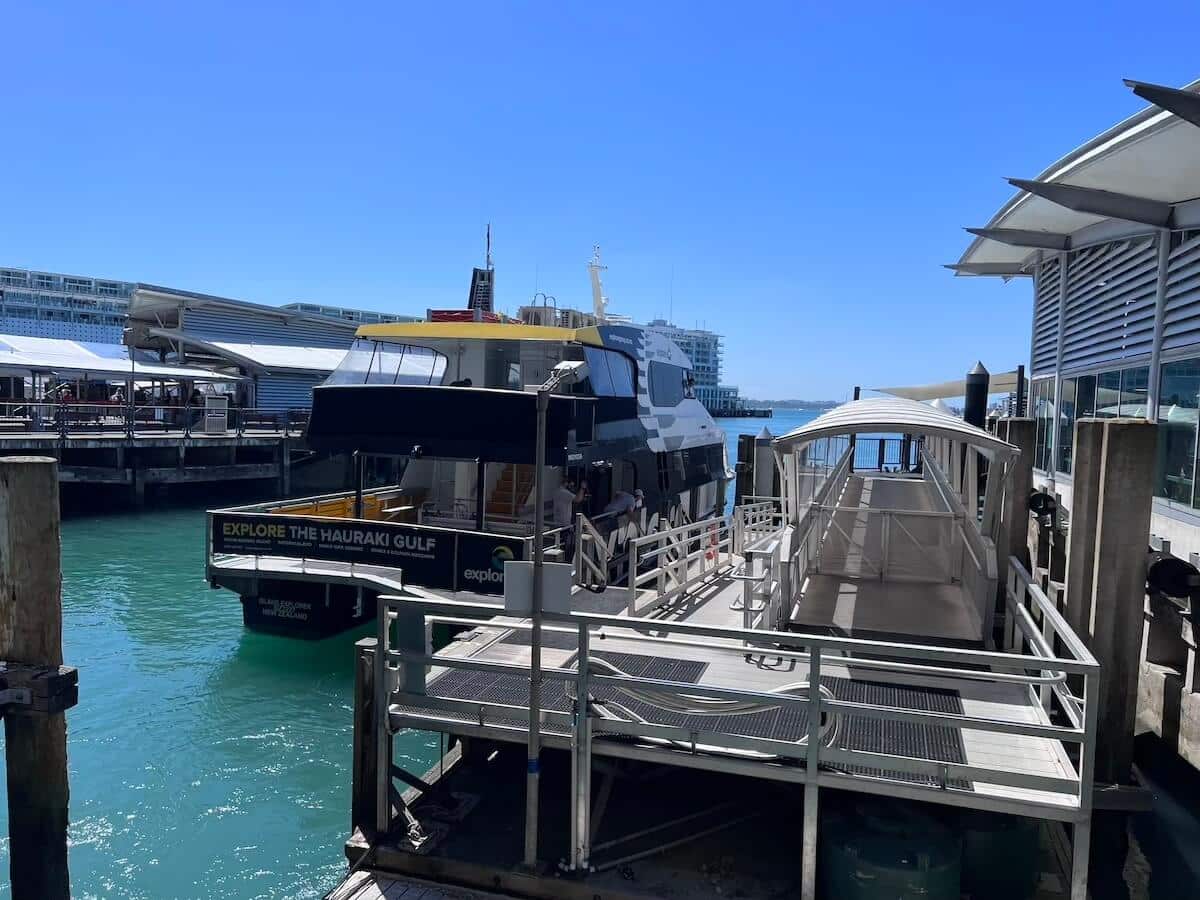
It’s a great month for exploring the country’s lakes, coastlines, islands and national parks – Waiheke Island (Hauraki Gulf near Auckland) is particularly gorgeous at this time of year. However, the Christmas and New Year period is very busy, with New Zealanders taking their summer and Christmas holidays at this time.
If you’re travelling in December, book accommodation and car rentals well in advance, especially if your dates fall between Christmas and early January.
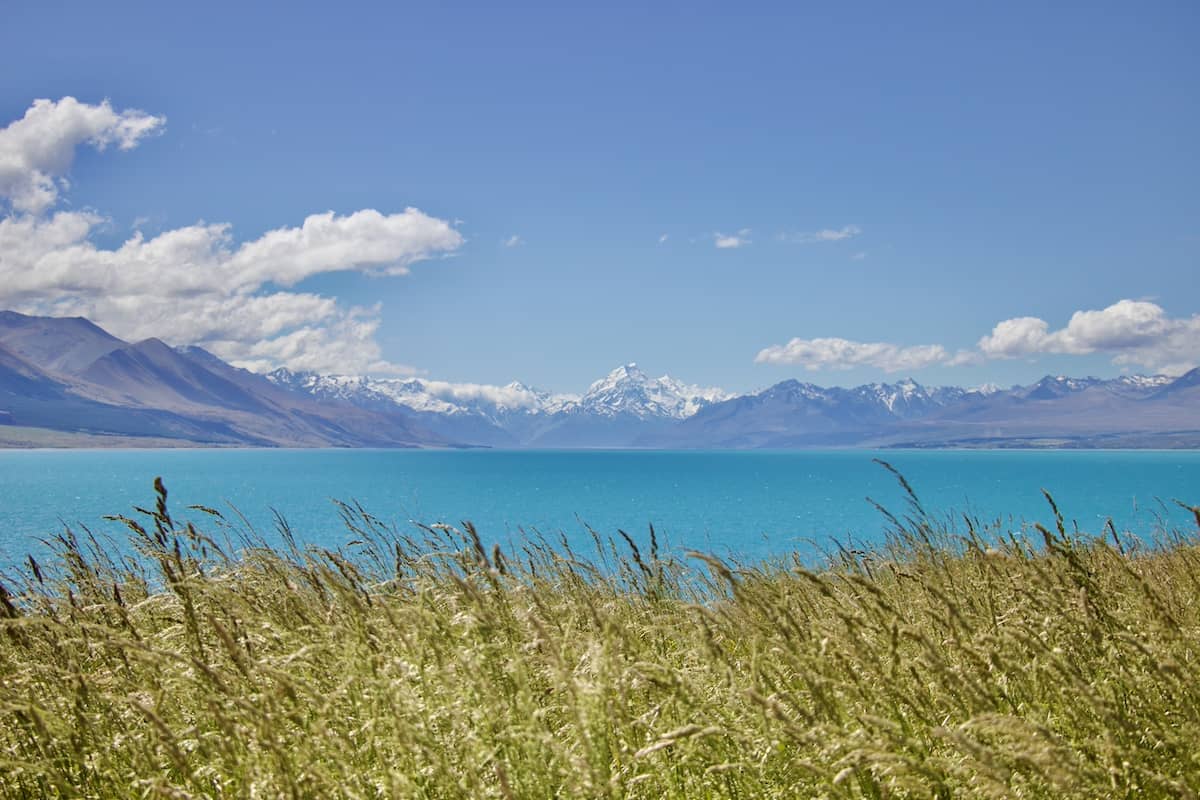
Popular walking tracks and tours can also fill up, and you’ll want to allow extra time at busy destinations. We missed out on a tour of the Tasman Glacier near Aoraki Mount Cook because we didn’t book early enough.
Best for: Summer holidays, beaches, hiking, lakes and long road trips.
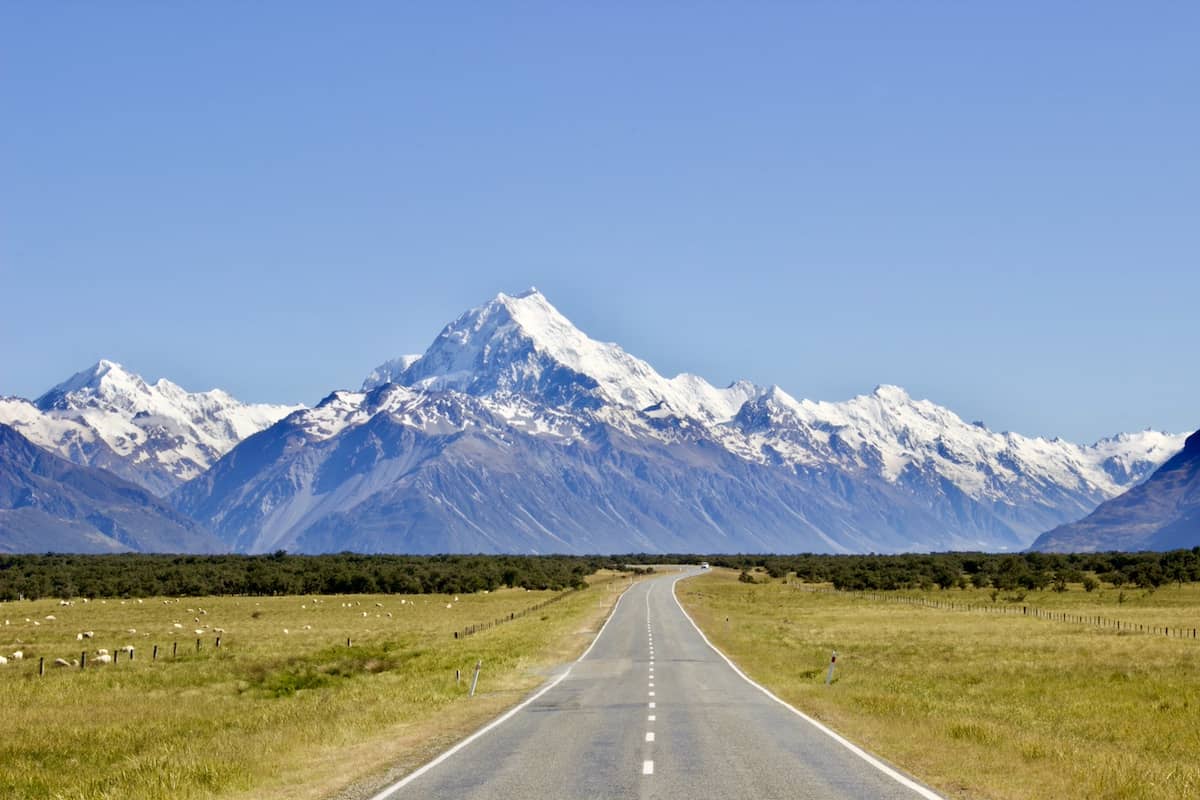
Best destinations: Waiheke Island (North Island), Marlborough Sounds, Akaroa, Aoraki Mount Cook, Stewart Island (South Island), Chatham Islands.
OFF THE BEATEN PATH: Early December is a good time to visit the lesser visited places like the Chatham Islands (far off the east side of NZ), and Stewart Island (off the coast of Bluff, at the bottom of the South Island).


What Is the Best Month to Visit New Zealand?
For a first visit that combines sightseeing, scenic drives and outdoor activities, February and March are strong contenders. Both offer the possibility of warm weather, relatively long days and good conditions for exploring different parts of the country, but with fewer domestic tourists.
April, and September to November can suit visitors who want to save some money outside the peak summer period. If skiing is your priority, plan for the winter months, late June, July and August.
Ultimately, the best time to visit New Zealand depends on your itinerary. A beach holiday in Northland, a scenic trip in Fiordland and a winter ski holiday around Queenstown have different seasonal requirements. Decide which places and activities matter most to you, then choose your dates.
Whatever month you visit, pack for changing weather. New Zealand’s climate varies by region, and conditions can change quickly. A little flexibility will help you make the most of your trip… and get your in line with the laid-back vibe of Aotearoa too!
If you are enjoying my New Zealand content, please consider ‘buying me a coffee’ as it helps me maintain my website and keep bringing you good quality information!
All photos & content © Hannah Henderson and may not be used without permission (sharing this blog post is fine, though!). Images shot with a Canon DSLR T3i Rebel + Canon EF-S 18-135mm f/3.5-5.6 IS STM; and an iPhone.